























Travel Capitalist Ventures Expands Check Size to $10 Million to Deepen Emerging Market Conviction
Boutique Travel VC raises investment cap from $1.5M to $10M to lead rounds and support portfolio companies through growth Travel...
Read moreDetails
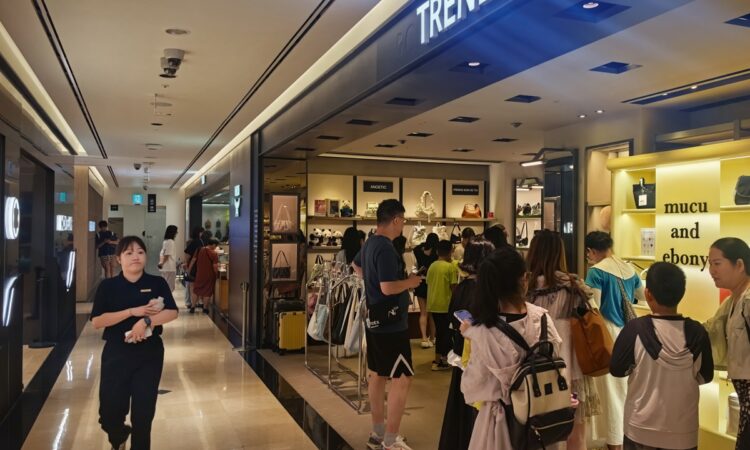
Hotel bookings in South Korea surge 240% year-on-year: platform
Article Summary:
The article highlights a growing “Japan alternative” trend in the year-end outbound travel market, with South Korea, Southeast Asia, and Europe emerging as top destinations for Chinese tourists. According to data from Tongcheng Travel, hotel booking popularity in South Korea surged by over 240% year-on-year in the last two weeks of November, while Southeast Asian destinations like Vietnam and Indonesia saw growth exceeding 100%. European destinations, including Germany and Spain, experienced a remarkable 300% increase in hotel booking popularity year-on-year. The article also mentions the potential of Nordic countries in this trend, though specific figures are not provided.
Key Points:
Actionable Takeaways:
Contextual Insights:
The article reflects the ongoing shift in global travel preferences, with Chinese tourists increasingly seeking destinations that offer a unique alternative to traditional Japanese travel. This trend is likely influenced by factors such as varying visa requirements, cultural attractions, and the desire for diverse travel experiences. The surge in hotel bookings across South Korea, Southeast Asia, and Europe indicates a strong appetite for travel in these regions, driven by factors such as favorable exchange rates, unique attractions, and effective marketing strategies. For travel startups and fintech innovators, this trend presents an opportunity to develop solutions that enhance the booking experience, such as integrated payment systems, personalized travel itineraries, and real-time booking analytics. By aligning with these trends, startups can tap into a growing market and contribute to the evolution of the travel industry.
Read the Complete Article.
Boutique Travel VC raises investment cap from $1.5M to $10M to lead rounds and support portfolio companies through growth Travel...
Read moreDetails




