
























Travel Capitalist Ventures Expands Check Size to $10 Million to Deepen Emerging Market Conviction
Boutique Travel VC raises investment cap from $1.5M to $10M to lead rounds and support portfolio companies through growth Travel...
Read moreDetails

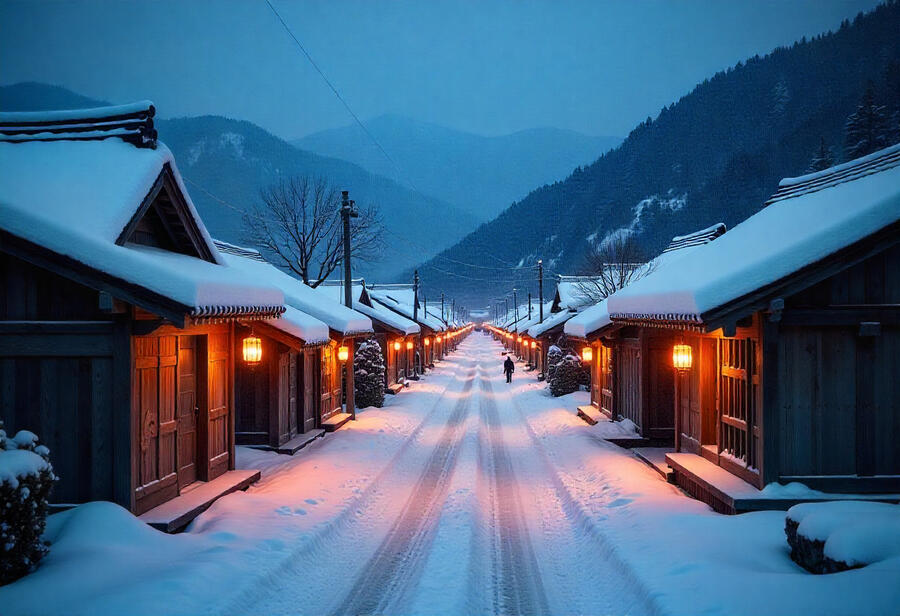
South Korea Joins Japan, India, China, Kazakhstan, and Bulgaria as Hidden Snowy Gems You Need to Vis...
Comprehensive Summarization:
The article highlights South Korea’s emergence as a “hidden snowy gem” for winter tourism in 2026, joining the ranks of Japan, India, China, Kazakhstan, and Bulgaria. Known for its breathtaking snow-covered landscapes, world-class ski resorts like Pyeongchang, and tranquil national parks ideal for winter hiking, South Korea offers a blend of thrilling outdoor adventures and rich cultural experiences. This development is part of a broader trend in the travel industry where destinations are increasingly being recognized for their unique winter experiences, catering to the growing demand for snow lovers seeking diverse and immersive winter getaways.
Key Points:
Actionable Takeaways:
Invest in Winter Tourism Infrastructure: Travel companies and destinations should invest in enhancing winter tourism infrastructure, including improving ski resort facilities, expanding winter hiking trails, and promoting cultural experiences. This aligns with the growing trend of destinations marketing themselves as comprehensive winter getaway options, catering to both adventure seekers and culture enthusiasts.
Leverage Digital Marketing for Winter Travel: Given the rise in winter tourism, leveraging digital marketing strategies to target snow lovers is crucial. This includes targeted social media campaigns, influencer partnerships, and SEO optimization for winter travel keywords. This strategy is particularly relevant as more travelers seek unique and off-the-beaten-path destinations for their winter vacations.
Focus on Sustainability and Eco-Friendly Practices: As travelers become more environmentally conscious, destinations should emphasize sustainable practices in winter tourism. This could involve promoting eco-friendly ski resorts, implementing waste reduction programs in national parks, and encouraging the use of public transportation for winter activities. This not only appeals to a growing segment of eco-conscious travelers but also aligns with broader industry trends towards sustainability.
Contextual Insights:
The emergence of South Korea as a winter travel destination reflects a broader trend in the travel industry towards diversifying winter getaway options. As destinations like Niseko and Harbin have long been celebrated for their winter allure, the inclusion of South Korea underscores a shift towards recognizing lesser-known destinations for their unique winter experiences. This trend is supported by recent insights from travel thought leaders who emphasize the importance of offering diverse winter activities, from skiing and snowboarding to cultural and outdoor adventures, to attract a wider range of travelers. Furthermore, the integration of digital marketing strategies to promote winter tourism aligns with current industry practices, where technology plays a pivotal role in reaching and engaging potential travelers. The focus on sustainability also resonates with the growing demand for eco-friendly travel options, reflecting a shift in consumer preferences towards responsible and environmentally conscious travel choices.
Read the Complete Article.
Boutique Travel VC raises investment cap from $1.5M to $10M to lead rounds and support portfolio companies through growth Travel...
Read moreDetails



Comprehensive Summarization: The Singapore Tourism Board (STB) is set to host the inaugural Epic World Championship, a four-day amateur pickleball...
Read moreDetails
