
























Travel Capitalist Ventures Expands Check Size to $10 Million to Deepen Emerging Market Conviction
Boutique Travel VC raises investment cap from $1.5M to $10M to lead rounds and support portfolio companies through growth Travel...
Read moreDetails
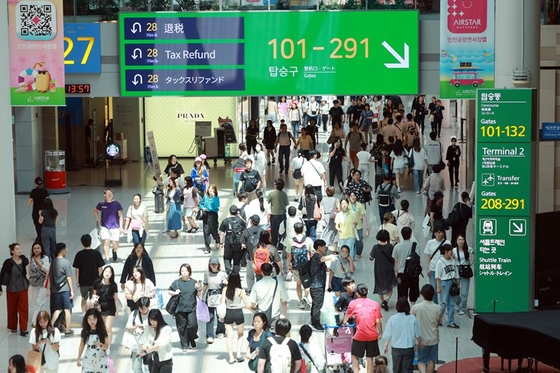
South Korea Tops China’s Outbound Travel List, Dethroning Japan
Comprehensive Summarization:
South Korea has emerged as the leading destination for outbound flights from the Chinese mainland, surpassing Japan. This shift in regional tourism trends is influenced by political tensions and government advisories. According to data from Flight Master, South Korea had 1,012 flights departing from the Chinese mainland between Dec. 29 and Jan. 4, compared to Japan’s 736 and Thailand’s 862. Passenger traffic between Chinese cities and South Korea surged by 30% year-on-year to 331,000 during this period, while travel to Japan fell by 33% to 258,000, as reported by CADAS. This trend underscores the impact of geopolitical factors on travel patterns and highlights South Korea’s growing appeal to Chinese tourists.
Key Points:
Actionable Takeaways:
Shift in Travel Preferences: The significant increase in flights to South Korea and the decrease in flights to Japan indicate a notable shift in travel preferences among Chinese tourists. Travel agencies and airlines should consider tailoring their marketing strategies to capitalize on this trend, focusing on South Korea’s appeal as a tourist destination.
Geopolitical Impact on Tourism: The decline in travel to Japan suggests that political tensions and government advisories are influencing travel decisions. Travel and tourism stakeholders should monitor geopolitical developments closely and adjust their strategies accordingly to mitigate risks and capitalize on opportunities.
Market Opportunities for South Korea: The surge in passenger traffic to South Korea presents a significant market opportunity. Hospitality and tourism businesses in South Korea should prepare for increased demand, ensuring they have sufficient capacity and resources to meet the growing influx of Chinese tourists.
Contextual Insights:
The article reflects the current state of the travel industry, where geopolitical factors play a crucial role in shaping travel trends. The shift in preference from Japan to South Korea highlights the importance of political stability and government advisories in influencing travel decisions. This trend is particularly relevant in the context of ongoing geopolitical tensions between East Asian nations. Furthermore, the data underscores the growing appeal of South Korea as a tourist destination, driven by factors beyond traditional travel attractions, such as safety and political stability. For travel startups and fintech innovators, this shift presents an opportunity to develop services that cater to the evolving needs of Chinese tourists, such as streamlined booking processes, enhanced travel insurance options, and localized travel experiences. By aligning with these trends, businesses can position themselves to benefit from the growing demand for travel to South Korea.
Read the Complete Article.
Boutique Travel VC raises investment cap from $1.5M to $10M to lead rounds and support portfolio companies through growth Travel...
Read moreDetails



Comprehensive Summarization: The Singapore Tourism Board (STB) is set to host the inaugural Epic World Championship, a four-day amateur pickleball...
Read moreDetails
