






















Travel Capitalist Ventures Expands Check Size to $10 Million to Deepen Emerging Market Conviction
Boutique Travel VC raises investment cap from $1.5M to $10M to lead rounds and support portfolio companies through growth Travel...
Read moreDetails
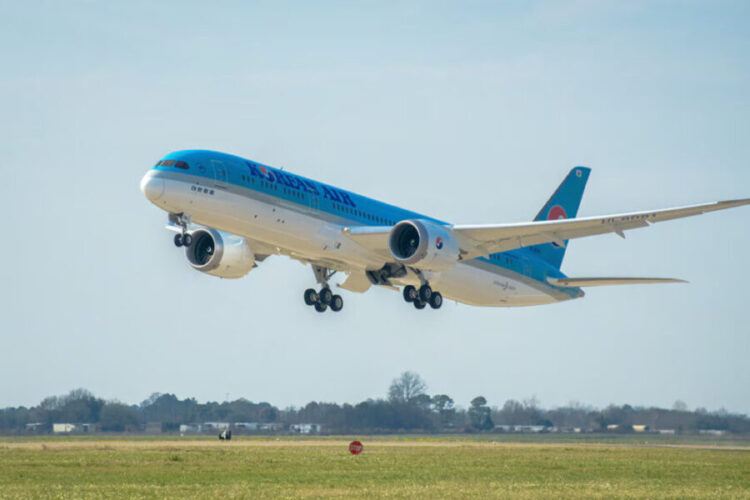
South Korea’s Reshapes Aviation Market with Redistribution of Key Flight Routes Creating Major Oppor...
Article Summary:
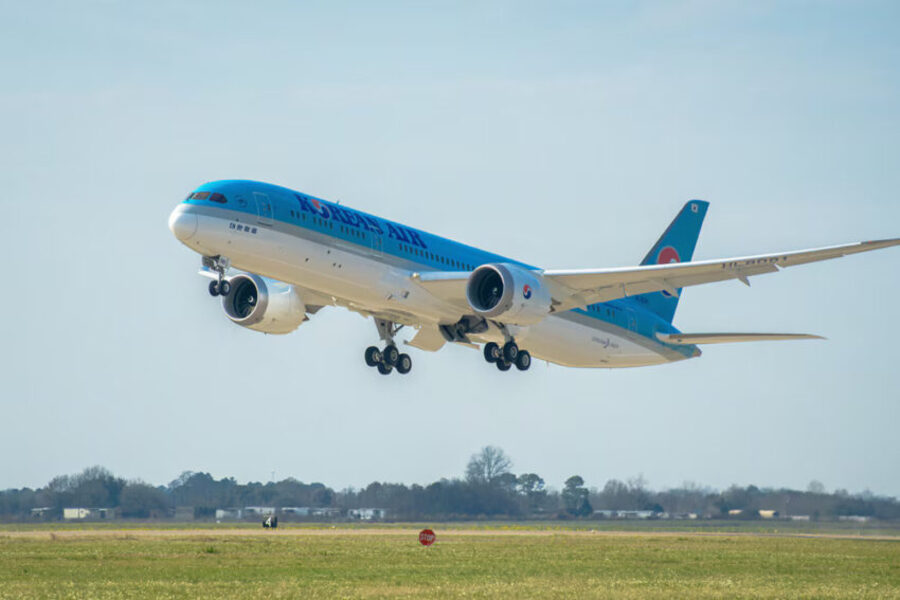
South Korea’s aviation market is undergoing significant transformation following the merger of Korean Air and Asiana Airlines, which has led to the redistribution of key flight routes. This strategic move aims to prevent monopolistic dominance and create opportunities for low-cost carriers (LCCs) to expand into high-demand domestic and international routes, including destinations like Jakarta, Seattle, and London. The redistribution is expected to disrupt current market dynamics, providing LCCs with increased opportunities for growth and competition.
Key Points:
Actionable Takeaways:
Contextual Insights:
The redistribution of flight routes in South Korea’s aviation market is a strategic response to the merger of Korean Air and Asiana Airlines, aimed at preventing monopolistic dominance and fostering a more competitive environment. This move aligns with broader industry trends towards increased competition and the rise of low-cost carriers. For the travel industry, this development underscores the importance of adaptability and strategic planning in response to market shifts. The focus on high-demand routes like Jakarta, Seattle, and London highlights the growing global connectivity and the increasing demand for affordable travel options. As the industry continues to evolve, stakeholders must remain agile and responsive to emerging opportunities and challenges.
Read the Complete Article.
Boutique Travel VC raises investment cap from $1.5M to $10M to lead rounds and support portfolio companies through growth Travel...
Read moreDetails




