























Travel Capitalist Ventures Expands Check Size to $10 Million to Deepen Emerging Market Conviction
Boutique Travel VC raises investment cap from $1.5M to $10M to lead rounds and support portfolio companies through growth Travel...
Read moreDetails
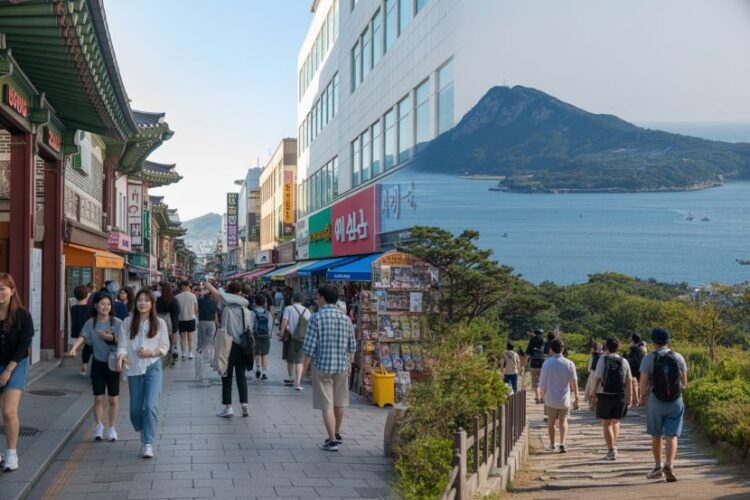
Tourism Overhaul in South Korea: Ensuring Fair Pricing, Quality Service, and a Focus on Regions Like...
Comprehensive Summarization:
South Korea is undergoing a significant overhaul of its tourism sector, aiming to redefine its approach with a focus on quality over quantity. This strategic reset, initiated by President Lee Jae-myung, seeks to address the industry’s growth by implementing stricter measures for fairer pricing, enhanced transparency, and an improved overall travel experience. The initiative targets a more equitable distribution of tourists, aiming to spread the benefits beyond the heavily visited areas of Seoul to include smaller cities and islands. This comprehensive strategy is designed to ensure sustainable growth and a more balanced tourism experience across the country, with a vision extending to 2030.
Key Points:
Actionable Takeaways:
Enhanced Pricing Transparency: Travel agencies and tourism operators should adopt transparent pricing models to ensure fairer pricing for tourists. This can be achieved by implementing clear pricing structures and providing detailed information on costs upfront, which can enhance trust and satisfaction among travelers.
Focus on Regional Tourism: There is a strong push to promote tourism in smaller cities and islands. Travel businesses should develop targeted marketing strategies to highlight the unique attractions and experiences available in these regions, encouraging a more balanced distribution of tourists and reducing overcrowding in popular areas like Seoul.
Investment in Travel Technology: The overhaul emphasizes the importance of quality over quantity, suggesting that investments in travel technology and customer experience enhancements are crucial. Travel startups and fintech companies should focus on developing innovative solutions that improve the booking process, enhance customer service, and provide personalized travel experiences, aligning with the industry’s shift towards quality-focused tourism.
Contextual Insights:
The article reflects a broader trend in the travel industry towards sustainability and equitable growth. By focusing on quality and fairness, South Korea is aligning with global best practices in tourism development, which prioritize visitor satisfaction and long-term economic benefits. The emphasis on regional tourism is particularly relevant in today’s market, where travelers are increasingly seeking authentic and diverse experiences beyond traditional tourist hotspots. This shift not only benefits local economies but also enriches the travel experience for visitors, fostering a deeper appreciation for the country’s varied landscapes and cultures. As the travel industry continues to evolve, embracing technological advancements and innovative business models will be key to sustaining growth and meeting the expectations of modern travelers.
Read the Complete Article.
Boutique Travel VC raises investment cap from $1.5M to $10M to lead rounds and support portfolio companies through growth Travel...
Read moreDetails



Istanbul, Turkey — August 8, 2023 In short: Turkish Airlines appoints new CEO and chairman as Murat Şeker takes over...
Read moreDetails
