

















Travel Capitalist Ventures Expands Check Size to $10 Million to Deepen Emerging Market Conviction
Boutique Travel VC raises investment cap from $1.5M to $10M to lead rounds and support portfolio companies through growth Travel...
Read moreDetails
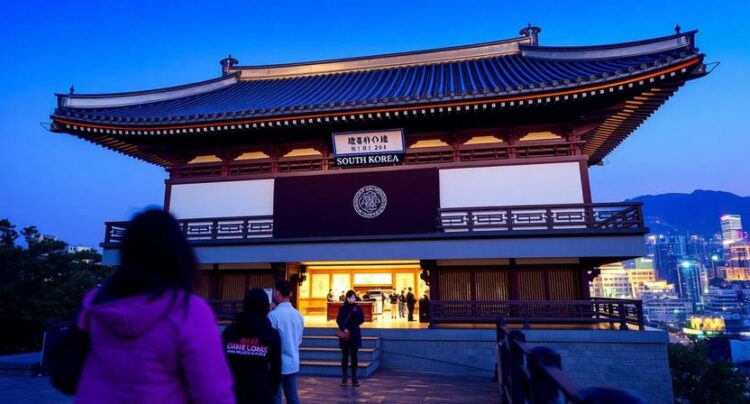
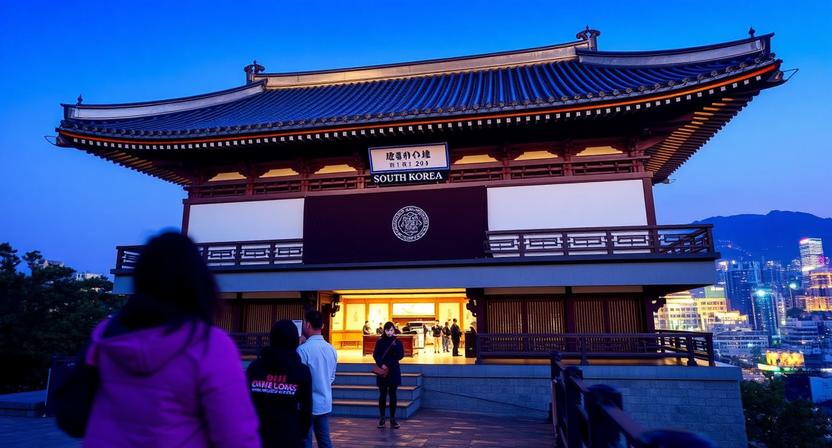
South Korea Extends Visa Processing Fee Waiver for Six Countries, Including China, India and Vietnam...
Article Summary:
South Korea has extended its visa processing fee waiver for tourists from six countries, including China, India, and Vietnam, until June 2026. This decision, announced by Finance Minister Koo Yun-cheol, aims to bolster the country’s recovering tourism industry. The extension follows a previous policy that was set to end at the end of 2025. The move is part of a broader strategy to attract more visitors and stimulate economic recovery in the tourism sector.
Key Points:
Actionable Takeaways:
Contextual Insights:
The extension of the visa waiver aligns with the broader trend of countries worldwide adopting measures to boost tourism in the wake of the COVID-19 pandemic. As travel restrictions ease and vaccination rates increase, governments are increasingly focusing on policies that attract international visitors. South Korea’s decision reflects a proactive approach to recovery, leveraging visa policies as a tool for economic stimulus. This move is particularly significant given the region’s growing economic interdependence and the importance of tourism to South Korea’s GDP.
Moreover, the context of this policy extension is informed by the ongoing advancements in travel technology and the increasing importance of fintech solutions in the travel sector. As digital platforms become more integral to the travel experience, innovations such as streamlined visa application processes and integrated payment systems are becoming essential. Travel startups and established companies alike should capitalize on these trends by developing solutions that enhance the visa application experience and provide seamless financial transactions for travelers. This not only aligns with the current industry trends but also positions businesses to meet the evolving needs of modern travelers.
Read the Complete Article.
Boutique Travel VC raises investment cap from $1.5M to $10M to lead rounds and support portfolio companies through growth Travel...
Read moreDetails




