













Travel Capitalist Ventures Expands Check Size to $10 Million to Deepen Emerging Market Conviction
Boutique Travel VC raises investment cap from $1.5M to $10M to lead rounds and support portfolio companies through growth Travel...
Read moreDetails

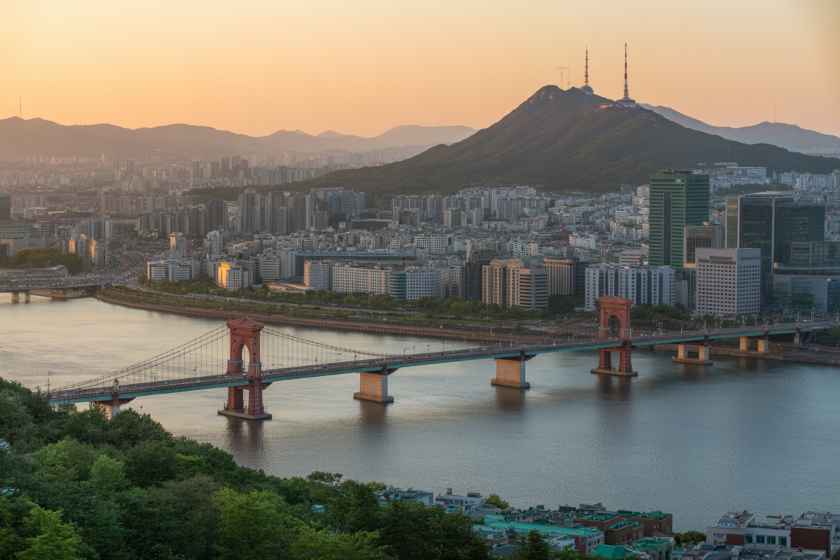
South Korea Now Extends Visa Fee Waiver for India, China, Vietnam, the Philippines, Indonesia and Ca...
Comprehensive Summarization:
South Korea has extended its visa-fee waiver program until June 30, 2027, impacting group tourists from India, China, Vietnam, the Philippines, Indonesia, and Cambodia planning visits to Seoul, Busan, and other destinations. This extension, introduced in 2023 to boost tourism, applies to short-term group visas under the C-3-2 category. The waiver aims to stimulate tourism and is a significant development for the travel industry in Asia.
Key Points:
Actionable Takeaways:
Contextual Insights:
The extension of the visa-fee waiver program reflects South Korea’s proactive approach to boosting tourism, especially in the wake of global travel recovery efforts. This move aligns with broader industry trends towards enhancing visa facilitation to attract more international visitors. The context of this development is crucial for understanding the current travel landscape, where governments are increasingly using policy tools to stimulate tourism. Furthermore, this extension could have implications for travel startups and fintech innovations, particularly in visa processing and payment solutions for international tourists. As governments continue to implement such measures, there may be opportunities for fintech companies to develop more efficient and user-friendly visa payment systems, catering to the growing number of international travelers.
Read the Complete Article.
Boutique Travel VC raises investment cap from $1.5M to $10M to lead rounds and support portfolio companies through growth Travel...
Read moreDetails



Comprehensive Summarization: The article reports on the brief but spectacular visit of the Queen Mary 2 cruise ship to Durban...
Read moreDetails
