




















Travel Capitalist Ventures Expands Check Size to $10 Million to Deepen Emerging Market Conviction
Boutique Travel VC raises investment cap from $1.5M to $10M to lead rounds and support portfolio companies through growth Travel...
Read moreDetails
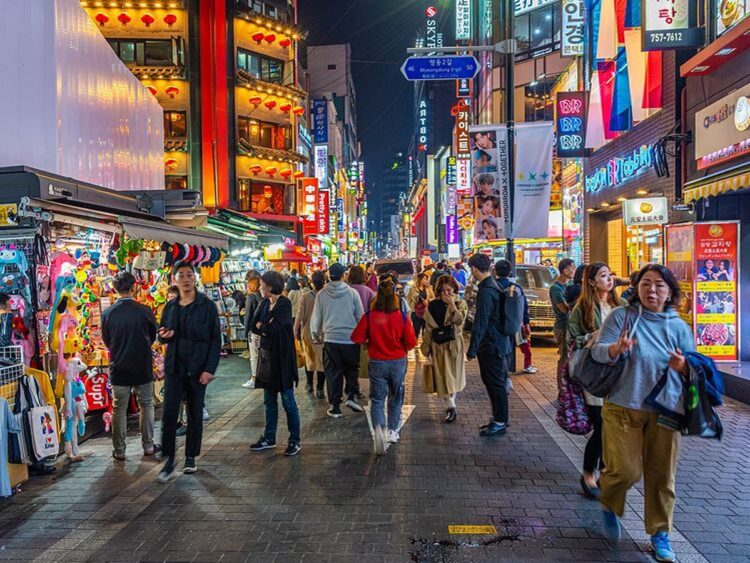
South Korea waives group visa fees for six key countries
Article Summary:
South Korea’s tourism sector is experiencing a steady recovery, with foreign arrivals surging 17.3% year-on-year in November, reaching 1.6 million visitors. This surpasses pre-pandemic levels in several markets. China remains the largest source of visitors, followed by Japan, Taiwan, the US, and the Philippines. From January to November, South Korea welcomed 17.42 million foreign tourists, marking a 15.4% increase from 2025 and an 8.6% rise above 2019 levels. The visa fee waiver is expected to boost tourism spending across the country’s hospitality, transport, and cultural sectors, with group tourists typically spending more on hotels, restaurants, and attractions.
Key Points:
Actionable Takeaways:
Increased Tourism Spending: The visa fee waiver is expected to boost tourism spending across various sectors. Travel businesses should prepare for increased demand in hotels, restaurants, and attractions, potentially leading to higher revenues and the need for enhanced customer service capabilities.
Focus on Group Tourism: With group tourists contributing significantly to tourism spending, businesses should tailor their offerings to cater to this demographic. This could involve developing group-friendly packages, enhancing transport and logistics services, and creating attractive cultural experiences to maximize spending.
Leverage Visa Fee Waiver: The waiver presents an opportunity for South Korean tourism businesses to attract more visitors. Companies can capitalize on this by launching targeted marketing campaigns, offering competitive pricing, and improving service quality to attract both domestic and international tourists.
Contextual Insights:
The recovery in South Korea’s tourism sector is a positive indicator of the global travel industry’s resilience post-pandemic. The steady increase in foreign arrivals, particularly from China, Japan, Taiwan, the US, and the Philippines, underscores the effectiveness of the country’s recovery strategies. The introduction of the visa fee waiver is a strategic move to further stimulate tourism spending, particularly in the hospitality, transport, and cultural sectors. This aligns with broader industry trends that emphasize the importance of digital transformation and customer-centric services in driving recovery and growth. As the travel industry continues to adapt to post-pandemic realities, businesses must remain agile, leveraging innovations and strategic initiatives to capitalize on emerging opportunities and sustain long-term growth.
Read the Complete Article.
Boutique Travel VC raises investment cap from $1.5M to $10M to lead rounds and support portfolio companies through growth Travel...
Read moreDetails



Comprehensive Summarization: Riyadh Air, Saudi Arabia's new national flag carrier, is actively expanding its international pilot recruitment efforts through successful...
Read moreDetails
