





















Travel Capitalist Ventures Expands Check Size to $10 Million to Deepen Emerging Market Conviction
Boutique Travel VC raises investment cap from $1.5M to $10M to lead rounds and support portfolio companies through growth Travel...
Read moreDetails
South Korea Extends Visa Fee Waiver for Tourists from India, China, Vietnam, Philippines, Indonesia,...
Article Summary:
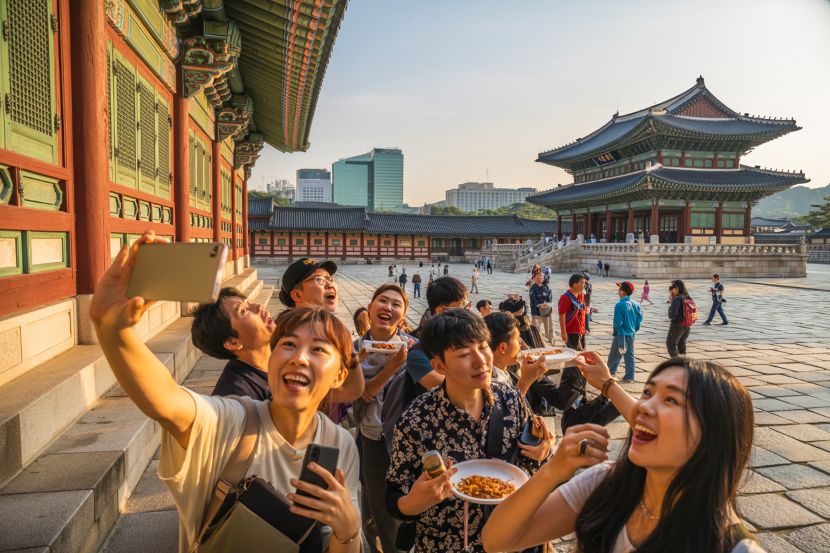
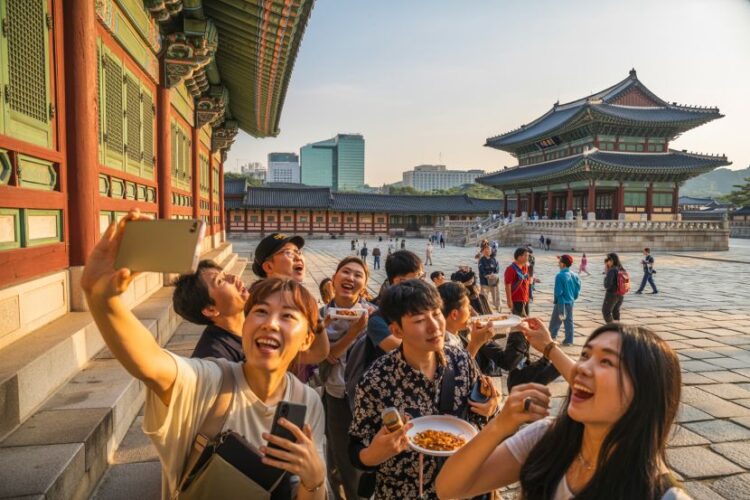
South Korea has extended the waiver of visa processing fees for tourists from India, China, Vietnam, the Philippines, Indonesia, and Cambodia until June 2026. This extension, initially set to expire at the end of December 2025, is part of South Korea’s strategy to attract more international tourists amid a growing influx of visitors.
Key Points:
Actionable Takeaways:
Contextual Insights:
The extension of the visa fee waiver aligns with the broader trend of countries worldwide seeking to boost tourism in the wake of post-pandemic recovery. South Korea’s strategic move reflects a recognition of the importance of international tourism to its economy. As travel resumes and global mobility increases, countries are likely to adopt more flexible policies to attract visitors. This context underscores the importance of staying informed about travel trends and adapting to changing consumer behaviors. Thought leaders in the travel industry should monitor such policy changes closely, as they can significantly impact market dynamics and consumer travel patterns.
Read the Complete Article.
Boutique Travel VC raises investment cap from $1.5M to $10M to lead rounds and support portfolio companies through growth Travel...
Read moreDetails




