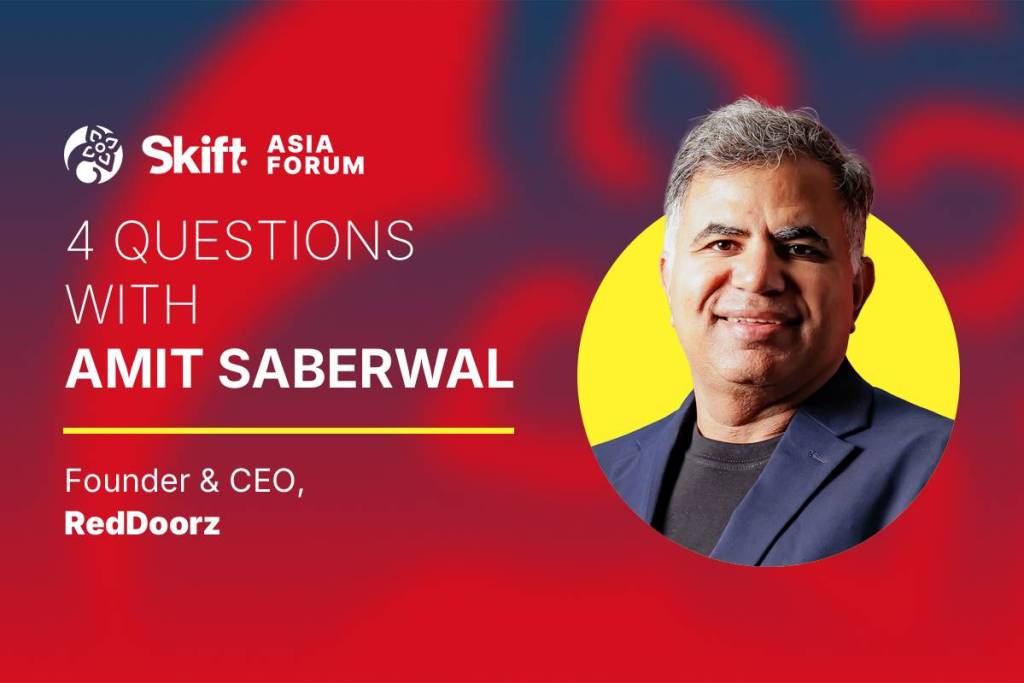
















Travel Capitalist Ventures Expands Check Size to $10 Million to Deepen Emerging Market Conviction
Boutique Travel VC raises investment cap from $1.5M to $10M to lead rounds and support portfolio companies through growth Travel...
Read moreDetails

Comprehensive Summarization:
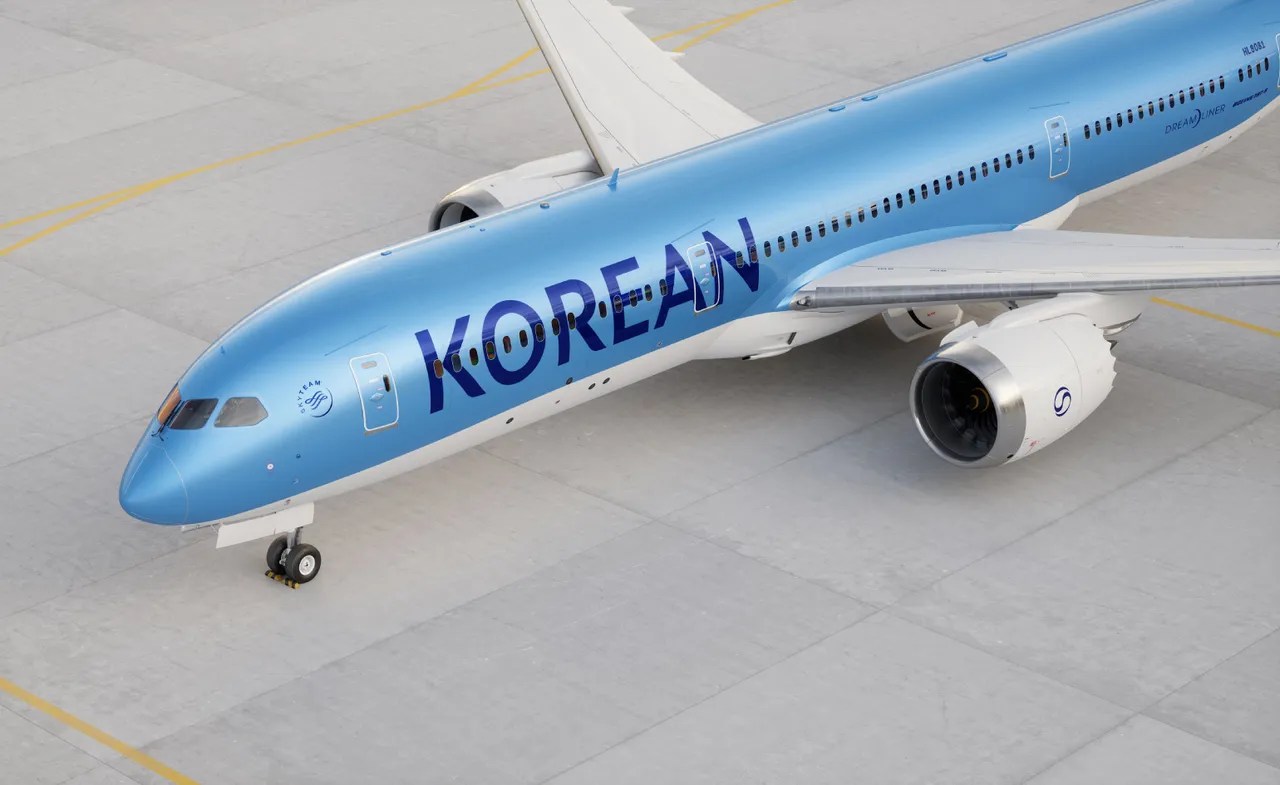
On February 26, 2026, President Lee Jae Myung of South Korea called for a comprehensive overhaul of the country’s tourism industry, aiming to increase inbound visitors to 30 million. This initiative is part of a two-pillar strategy focused on expanding inbound demand and revitalizing regional tourism. The strategy is backed by reforms to immigration procedures, improvements in regional airports, lodging systems, and the development of higher value-added tourism content. President Lee emphasized the importance of leveraging K-culture to drive tourism development, stating that the cultural industry’s growth must ultimately lead to increased tourism. The meeting, held at Cheong Wa Dae in Seoul, highlighted the need for these changes to boost the country’s tourism sector.
Key Points:
Actionable Takeaways:
Enhance Regional Tourism Infrastructure: Invest in upgrading regional airports and lodging systems to attract more tourists beyond Seoul. This will help diversify tourism and reduce the pressure on Seoul, promoting balanced regional development.
Leverage K-Culture for Tourism Promotion: Develop and promote tourism content centered around K-culture to attract both domestic and international tourists. This can be achieved through digital marketing, cultural festivals, and collaborations with global influencers to showcase South Korea’s cultural offerings.
Streamline Immigration Procedures: Simplify and expedite immigration processes for tourists to enhance the travel experience and encourage more visitors to choose South Korea as their destination. This could involve digital entry systems, reduced visa requirements for popular tourist countries, and improved customer service at immigration checkpoints.
Contextual Insights:
The article reflects South Korea’s proactive approach to revitalizing its tourism industry amidst global challenges. The emphasis on K-culture as a driver of tourism aligns with current trends where cultural experiences are becoming increasingly important in travel planning. The focus on regional tourism and infrastructure improvements is a strategic move to diversify tourism beyond the heavily visited areas of Seoul, which is crucial for sustainable tourism growth. Furthermore, the reforms in immigration procedures highlight the industry’s response to the growing demand for seamless travel experiences, a trend that is likely to continue with the rise of digital travel solutions. These insights underscore the importance of integrating technological advancements and cultural heritage to meet the evolving expectations of modern travelers.
Read the Complete Article.
Boutique Travel VC raises investment cap from $1.5M to $10M to lead rounds and support portfolio companies through growth Travel...
Read moreDetails


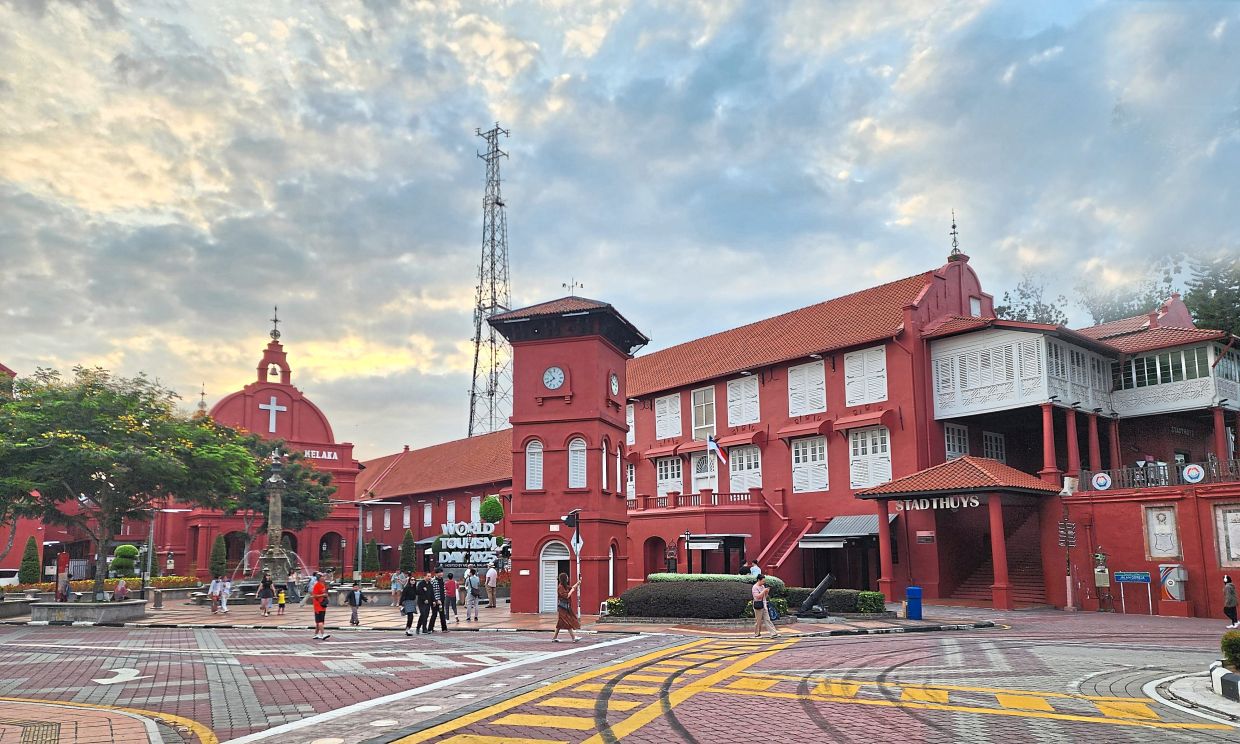
Comprehensive Summarization: The article discusses the shift in South-East Asian tourism rankings, where Malaysia has overtaken Thailand as the most-visited...
Read moreDetails
