






















Travel Capitalist Ventures Expands Check Size to $10 Million to Deepen Emerging Market Conviction
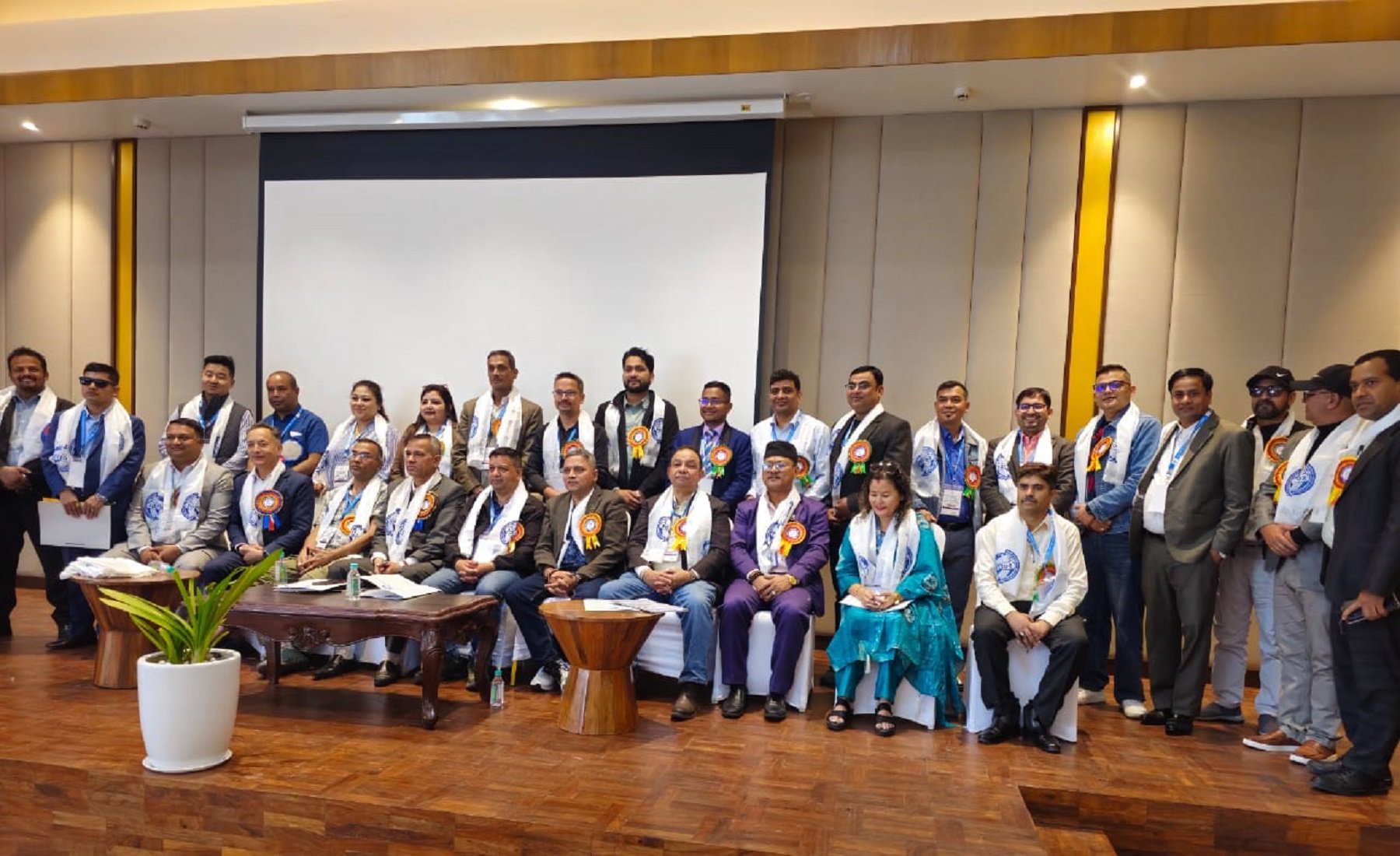
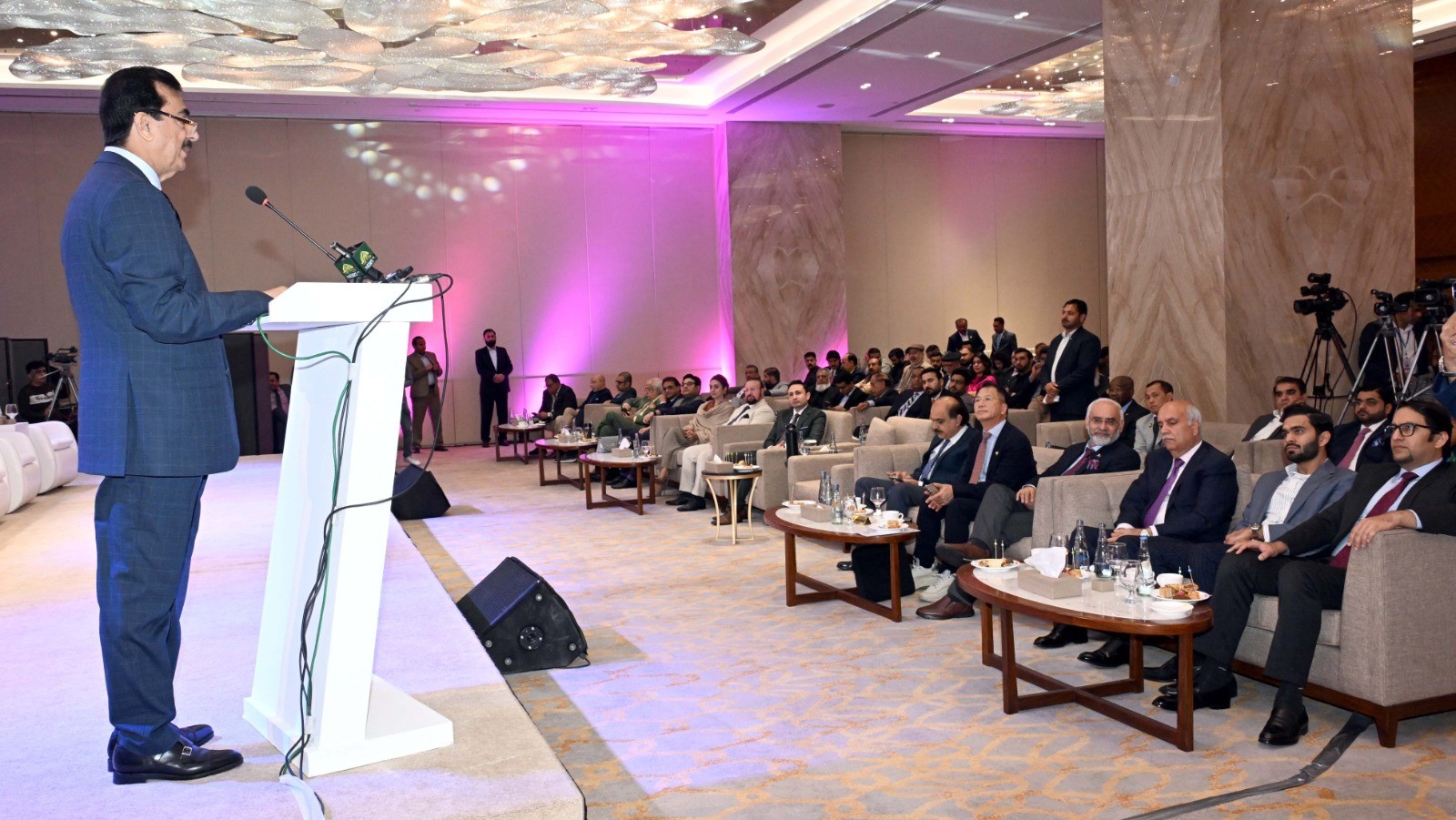
Boutique Travel VC raises investment cap from $1.5M to $10M to lead rounds and support portfolio companies through growth Travel...
Read moreDetails

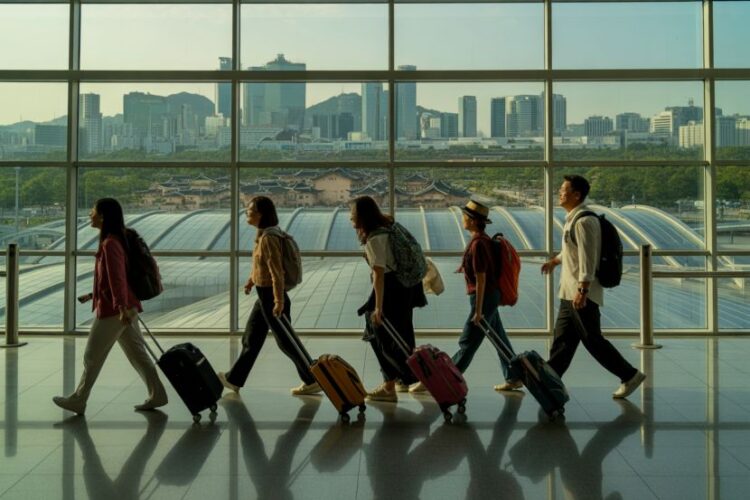
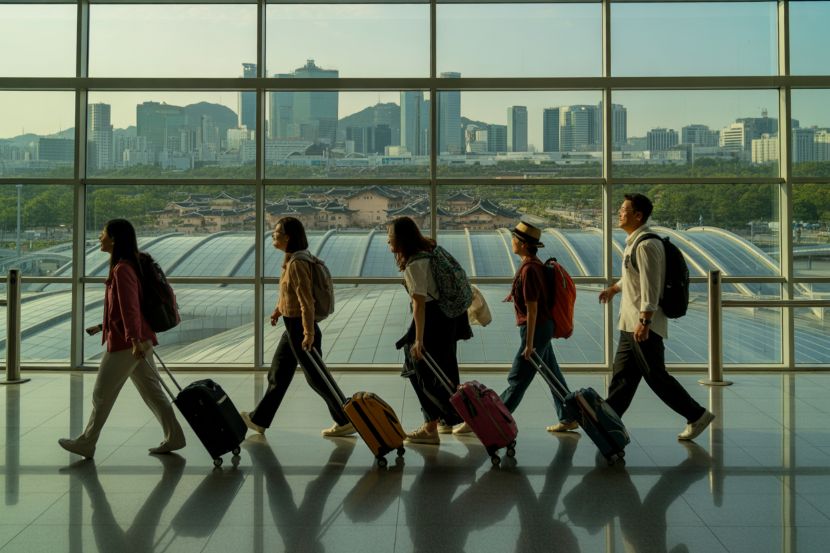
Explore South Korea with Ease: Singapore Travelers Can Now Visit Seoul, Busan, and Jeju Without K-ET...
Article Summary:
The South Korean government has extended its K-ETA exemption for Singaporean passport holders until December 31, 2026. This change allows Singaporean travelers to visit South Korea without needing to apply for the Korea Electronic Travel Authorisation (K-ETA) before their arrival. The update simplifies the travel process for Singapore residents planning trips to South Korea, whether for leisure or business purposes.
Key Points:
Actionable Takeaways:
Contextual Insights:
The extension of the K-ETA exemption reflects a broader trend in the travel industry towards easing entry requirements for major tourist destinations. This move by the South Korean government aligns with recent global efforts to facilitate travel and boost tourism, especially in the wake of the COVID-19 pandemic. For Singapore, this development presents an opportunity to further strengthen its position as a popular travel destination in Asia. Additionally, the change may encourage other countries to consider similar exemptions, potentially leading to increased cross-border travel and economic benefits for the tourism sectors involved. As travel tech continues to evolve, innovations in digital travel authorization systems could further streamline the process, making international travel even more accessible for passport holders worldwide.
Read the Complete Article.
Boutique Travel VC raises investment cap from $1.5M to $10M to lead rounds and support portfolio companies through growth Travel...
Read moreDetails




