









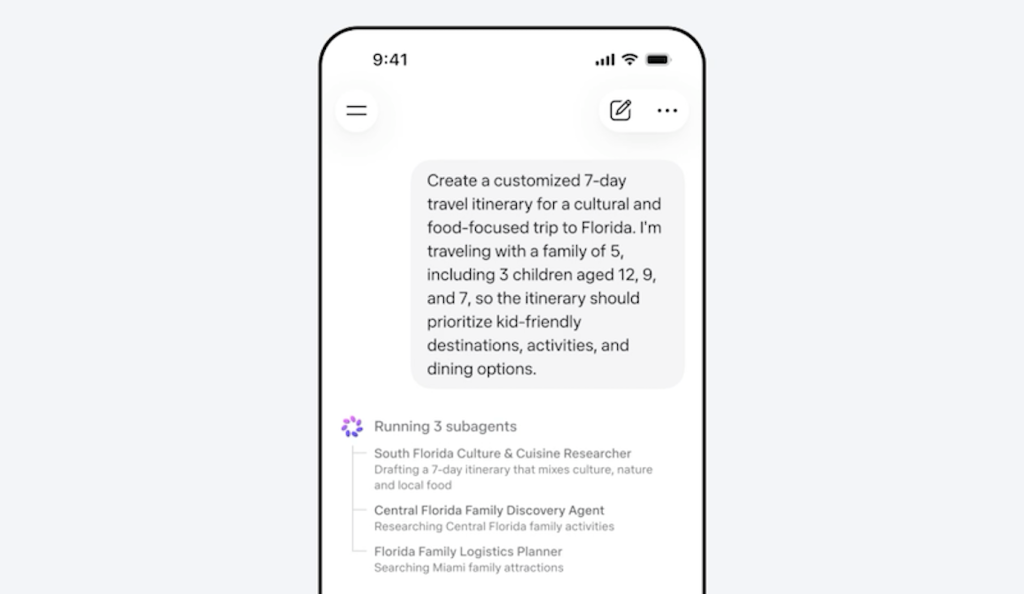













Travel Capitalist Ventures Expands Check Size to $10 Million to Deepen Emerging Market Conviction
Boutique Travel VC raises investment cap from $1.5M to $10M to lead rounds and support portfolio companies through growth Travel...
Read moreDetails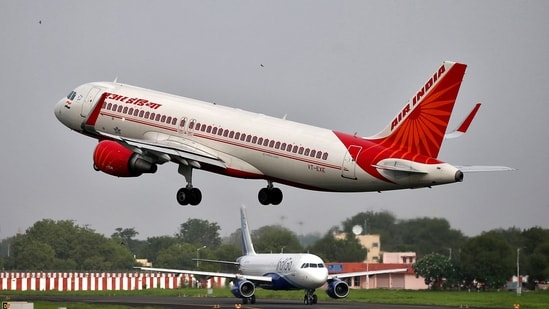


Explore South Korea with Ease: Singapore Travelers Can Now Visit Seoul, Busan, and Jeju Without K-ET...
Article Summary:
The South Korean government has extended its K-ETA exemption for Singaporean passport holders until December 31, 2026. This change allows Singaporean travelers to visit South Korea without needing to apply for the Korea Electronic Travel Authorisation (K-ETA) before their arrival. The update simplifies the travel process for Singapore residents planning trips to South Korea, whether for leisure or business purposes.
Key Points:
Actionable Takeaways:
Contextual Insights:
The extension of the K-ETA exemption reflects a broader trend in global travel policies towards simplifying entry requirements for popular tourist destinations. As travel resumes post-pandemic, governments are increasingly focusing on enhancing convenience for international visitors to stimulate economic recovery. This move by South Korea aligns with the industry’s push towards digitalization and streamlined processes, which are increasingly important in the post-pandemic travel landscape.
Moreover, this development is part of a larger narrative of improving travel accessibility and safety. As Singapore continues to be a key gateway for travelers from various regions, such policy adjustments can have cascading effects on regional and global travel dynamics. The move also underscores the importance of technology in travel, as electronic travel authorizations (ETAs) and similar digital solutions play a crucial role in modernizing border management and enhancing the travel experience.
In summary, the extension of the K-ETA exemption for Singaporean travelers to South Korea until 2026 is a significant development that simplifies travel logistics, boosts economic activities, and fosters greater cross-border engagement. It aligns with current industry trends towards digitalization and convenience, positioning both countries to benefit from enhanced travel relations in the foreseeable future.
Read the Complete Article.
Boutique Travel VC raises investment cap from $1.5M to $10M to lead rounds and support portfolio companies through growth Travel...
Read moreDetails




