


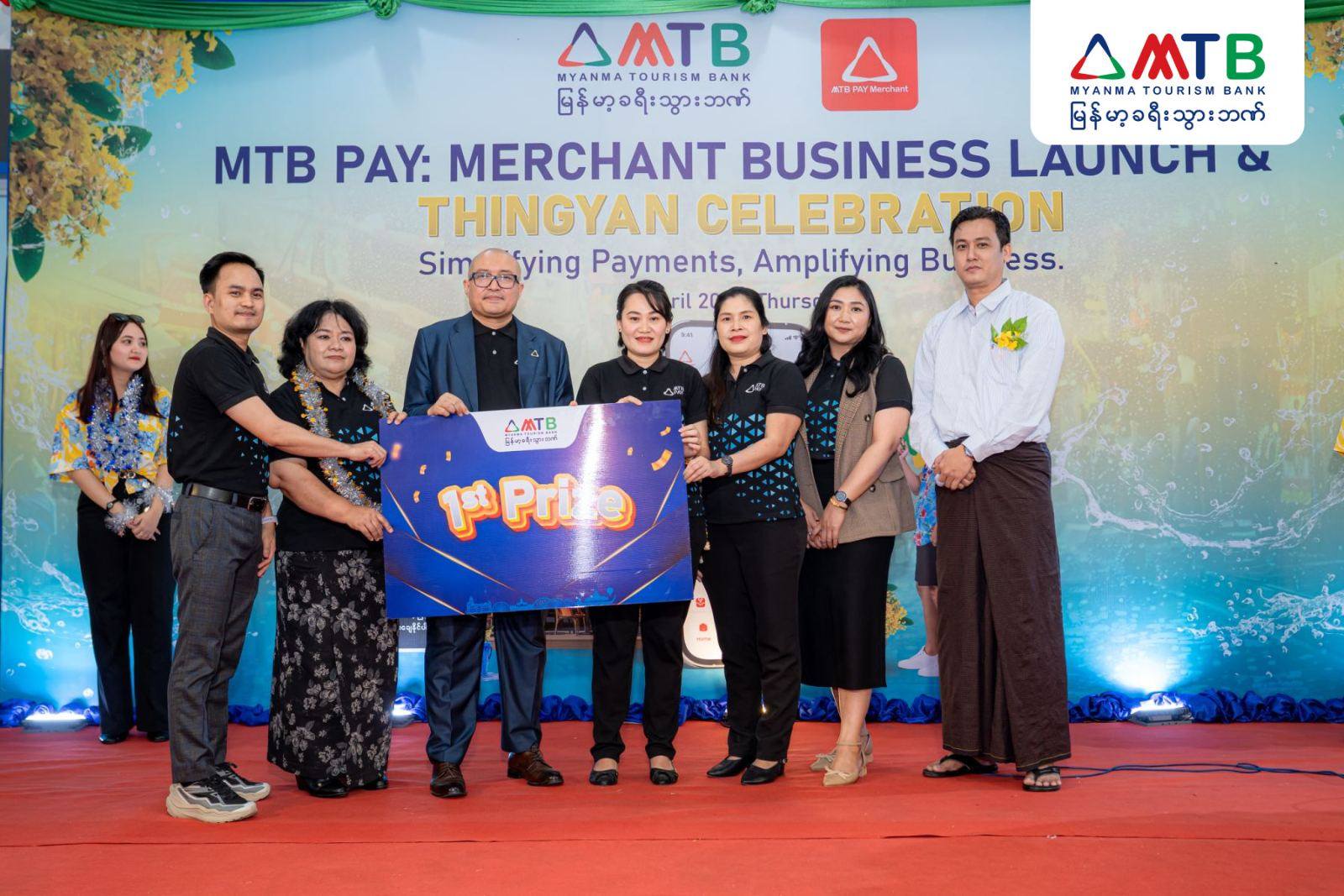
























Travel Capitalist Ventures Expands Check Size to $10 Million to Deepen Emerging Market Conviction
Boutique Travel VC raises investment cap from $1.5M to $10M to lead rounds and support portfolio companies through growth Travel...
Read moreDetails
Rising Visitor Numbers Fuel Overtourism Concerns in South Korea’s Popular Destinations
Article Summary:
South Korea is facing the challenge of overtourism due to a 20% year-over-year increase in visitors, reflecting a robust recovery in tourism to the region. While this growth indicates a positive trend in tourism recovery, it has also highlighted significant overcrowding at popular destinations such as Seoul’s Myeongdong shopping district, Gyeongbokgung Palace, and Jeju Island. These areas are experiencing heightened visitor numbers, raising concerns about the sustainability of tourism in the country. The article underscores the need for sustainable tourism practices to manage the influx of visitors and mitigate the adverse effects of overcrowding on these popular sites.
Key Points:
Actionable Takeaways:
Implement Sustainable Tourism Practices: To address overcrowding and ensure the long-term viability of tourism in South Korea, it is crucial to adopt sustainable tourism practices. This could include limiting visitor numbers in peak seasons, promoting off-peak travel, and enhancing infrastructure to support increased foot traffic without compromising the visitor experience.
Invest in Advanced Travel Tech Solutions: Leveraging travel technology can help manage visitor flow more effectively. Innovations such as smart ticketing systems, real-time crowd monitoring, and personalized travel itineraries can enhance the visitor experience while reducing overcrowding. These technologies can also provide valuable data for tourism authorities to make informed decisions.
Contextual Insights:
The article reflects the current state of the travel industry, particularly in the context of post-pandemic recovery and the challenges of overtourism. The 20% increase in visitor numbers highlights a successful recovery in tourism, but it also brings to the forefront the need for sustainable practices to ensure that tourism remains a positive force for the local economy and environment. The emphasis on sustainable tourism aligns with broader industry trends towards eco-friendly practices and responsible travel. Furthermore, the integration of travel tech solutions underscores the industry’s shift towards innovation, where technology plays a pivotal role in managing and enhancing the travel experience. This forward-looking perspective is crucial for stakeholders in the travel industry, including startups, fintech companies, and tourism authorities, as they navigate the evolving landscape of global travel.
Read the Complete Article.
Boutique Travel VC raises investment cap from $1.5M to $10M to lead rounds and support portfolio companies through growth Travel...
Read moreDetails




