








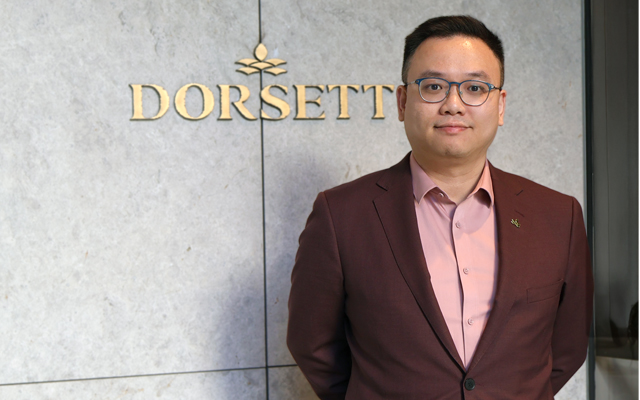









Travel Capitalist Ventures Expands Check Size to $10 Million to Deepen Emerging Market Conviction
Boutique Travel VC raises investment cap from $1.5M to $10M to lead rounds and support portfolio companies through growth Travel...
Read moreDetails
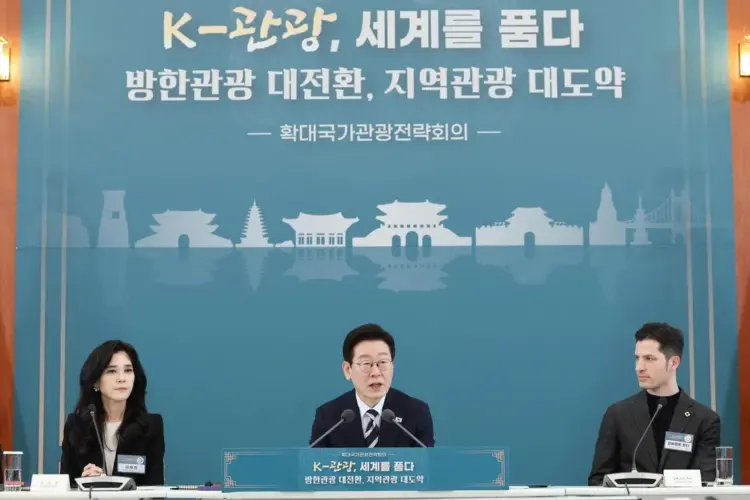
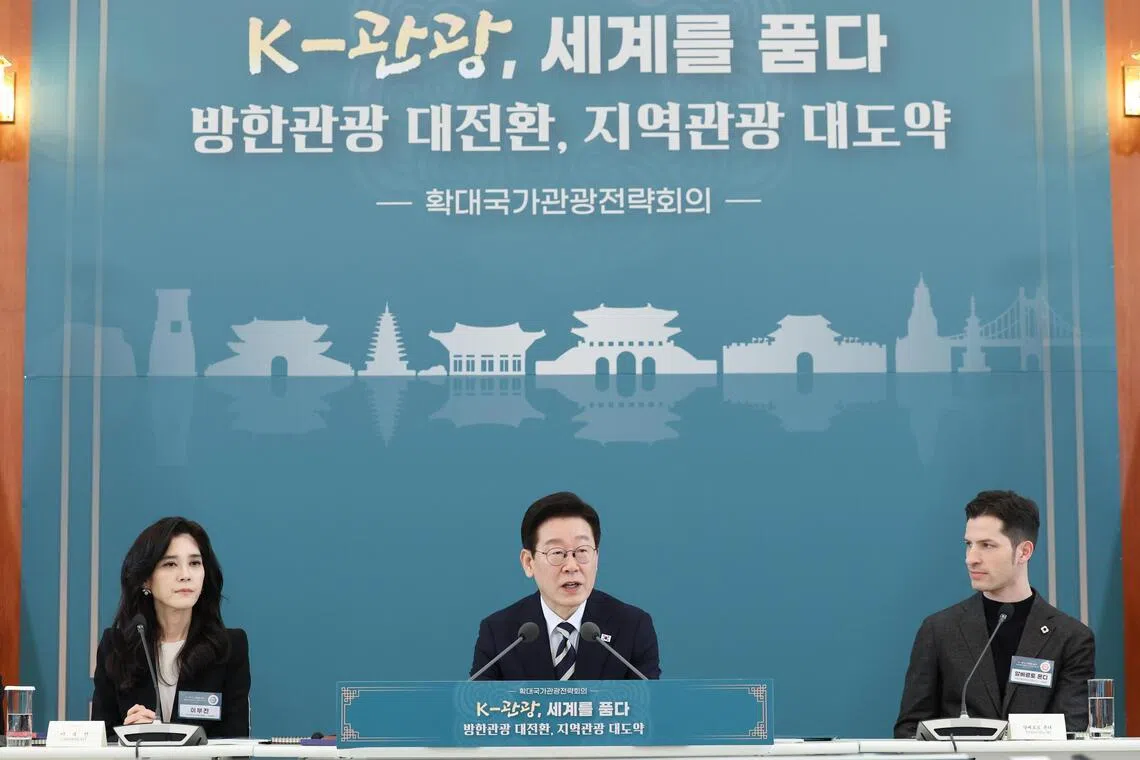
South Korea’s Lee calls for tourism overhaul, targets 30 million foreign visitors
Comprehensive Summarization:
South Korean President Lee Jae Myung has called for a comprehensive overhaul of the country’s tourism industry, aiming to increase inbound visitors to 30 million. This initiative is part of a two-pillar strategy focused on expanding inbound demand and revitalizing regional tourism. The strategy is backed by reforms to immigration procedures, improvements in regional airports, lodging systems, and the introduction of higher value-added tourism content. During the Expanded National Tourism Strategy Meeting at Cheong Wa Dae in Seoul, President Lee emphasized the role of K-culture in driving cultural industry development, which is expected to contribute significantly to the tourism sector’s growth.
Key Points:
Actionable Takeaways:
Enhance Regional Tourism Infrastructure: Invest in regional airports and lodging systems to make tourism more accessible and appealing across South Korea. This can help in achieving the target of 30 million inbound visitors by diversifying tourist destinations beyond Seoul.
Leverage K-Culture for Cultural Tourism: Promote K-culture as a key driver of cultural tourism. By leveraging the popularity of Korean entertainment and cultural exports, South Korea can attract more tourists interested in cultural experiences, thereby boosting the overall tourism sector.
Streamline Immigration Procedures: Simplify and expedite immigration processes for international tourists to enhance the ease of travel to South Korea. This can reduce barriers for potential visitors and improve the overall travel experience, contributing to the goal of increasing inbound tourists.
Contextual Insights:
The article reflects the ongoing efforts of South Korea to revitalize its tourism industry in the face of global travel trends and challenges. With the rise of digital nomadism and the increasing interest in cultural tourism, particularly driven by K-culture, there is a clear opportunity for South Korea to capitalize on these trends. The focus on expanding inbound demand and revitalizing regional tourism aligns with current industry trends that emphasize diversification and accessibility. Furthermore, the reforms in immigration procedures and the promotion of higher value-added tourism content indicate a forward-looking approach that integrates technological advancements and strategic planning to meet the evolving needs of global travelers. This context underscores the importance of strategic policy-making and innovation in sustaining and growing the tourism sector in the digital age.
Read the Complete Article.
Boutique Travel VC raises investment cap from $1.5M to $10M to lead rounds and support portfolio companies through growth Travel...
Read moreDetails



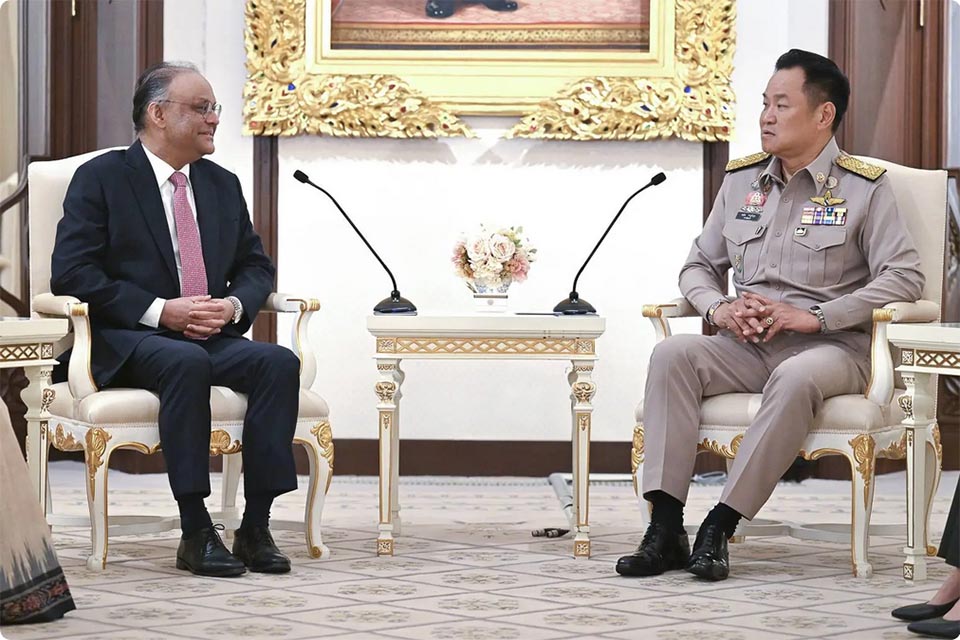
Comprehensive Summarization: The article reports on a meeting between Thailand's Prime Minister Anutin Charnvirakul and the outgoing Indian Ambassador to...
Read moreDetails
