



















Travel Capitalist Ventures Expands Check Size to $10 Million to Deepen Emerging Market Conviction
Boutique Travel VC raises investment cap from $1.5M to $10M to lead rounds and support portfolio companies through growth Travel...
Read moreDetails
New Direct Flights Between Bangkok and Seoul: Thai AirAsia Expands Low-Cost Offerings
Comprehensive Summarization:
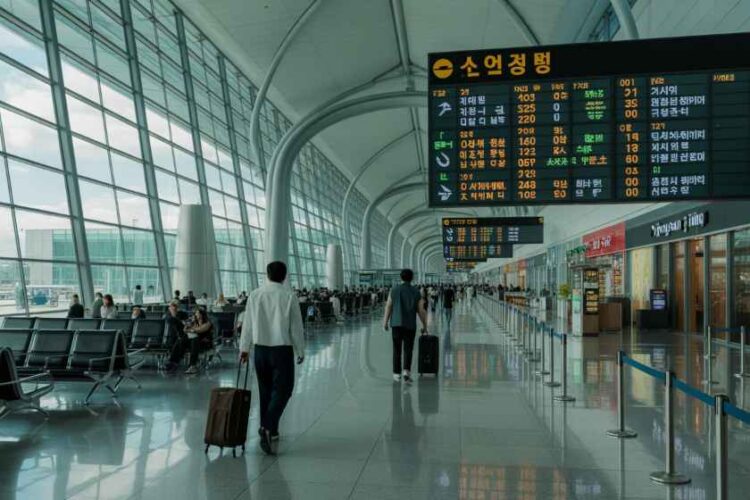
Thai AirAsia (FD) is set to take over direct flights between Bangkok Don Mueang and Seoul Incheon from May 1, 2026, replacing its sister carrier Thai AirAsia X (XJ) on the route. This transition involves a shift to narrower A320-200N jets, maintaining the same daily frequency. The move underscores the growing significance of Bangkok-Seoul travel, particularly for budget-conscious tourists. The article also touches on the broader context of travel trends, highlighting the importance of cost-effective travel options and the evolving preferences of international tourists.
Key Points:
Actionable Takeaways:
Impact on Travelers: The transition to A320-200N jets will likely result in more frequent and potentially more affordable flights between Bangkok and Seoul, catering to budget-conscious travelers seeking to explore both destinations. This could stimulate demand for travel services and accommodations in both cities, benefiting local economies.
Market Dynamics: The shift highlights the competitive nature of the air travel market, particularly in routes connecting major Asian cities. Thai AirAsia’s move may prompt other carriers to reassess their route offerings and pricing strategies, potentially leading to increased competition and innovation in air travel services.
Opportunities for Travel Startups: The growing popularity of Bangkok-Seoul travel presents opportunities for travel startups to develop niche services, such as bundled travel packages, travel tech solutions, or fintech applications focused on travel payments and bookings. These innovations could enhance the travel experience for budget-conscious tourists and differentiate service providers in a crowded market.
Contextual Insights:
The article reflects current travel trends, such as the increasing preference for budget-friendly travel options and the growing importance of Asian city-pair routes. The shift to narrower aircraft aligns with broader industry trends towards fuel efficiency and cost reduction, which are critical in the current economic climate. Furthermore, the focus on Bangkok-Seoul travel underscores the interconnectedness of major Asian economies and the role of air travel in facilitating tourism and business interactions. As travel technology continues to evolve, startups and established carriers alike are exploring ways to enhance the travel experience, making it more accessible and appealing to a broader audience. This context suggests that the article’s insights are not only relevant to the immediate shift in flight operations but also indicative of broader industry movements towards innovation and customer-centric services.
Read the Complete Article.
Boutique Travel VC raises investment cap from $1.5M to $10M to lead rounds and support portfolio companies through growth Travel...
Read moreDetails



Comprehensive Summarization: Korean Air is planning to acquire the remaining 36.1% stake in Asiana Airlines, which it currently owns 63.9%...
Read moreDetails