





















Travel Capitalist Ventures Expands Check Size to $10 Million to Deepen Emerging Market Conviction
Boutique Travel VC raises investment cap from $1.5M to $10M to lead rounds and support portfolio companies through growth Travel...
Read moreDetails


Article Summary:
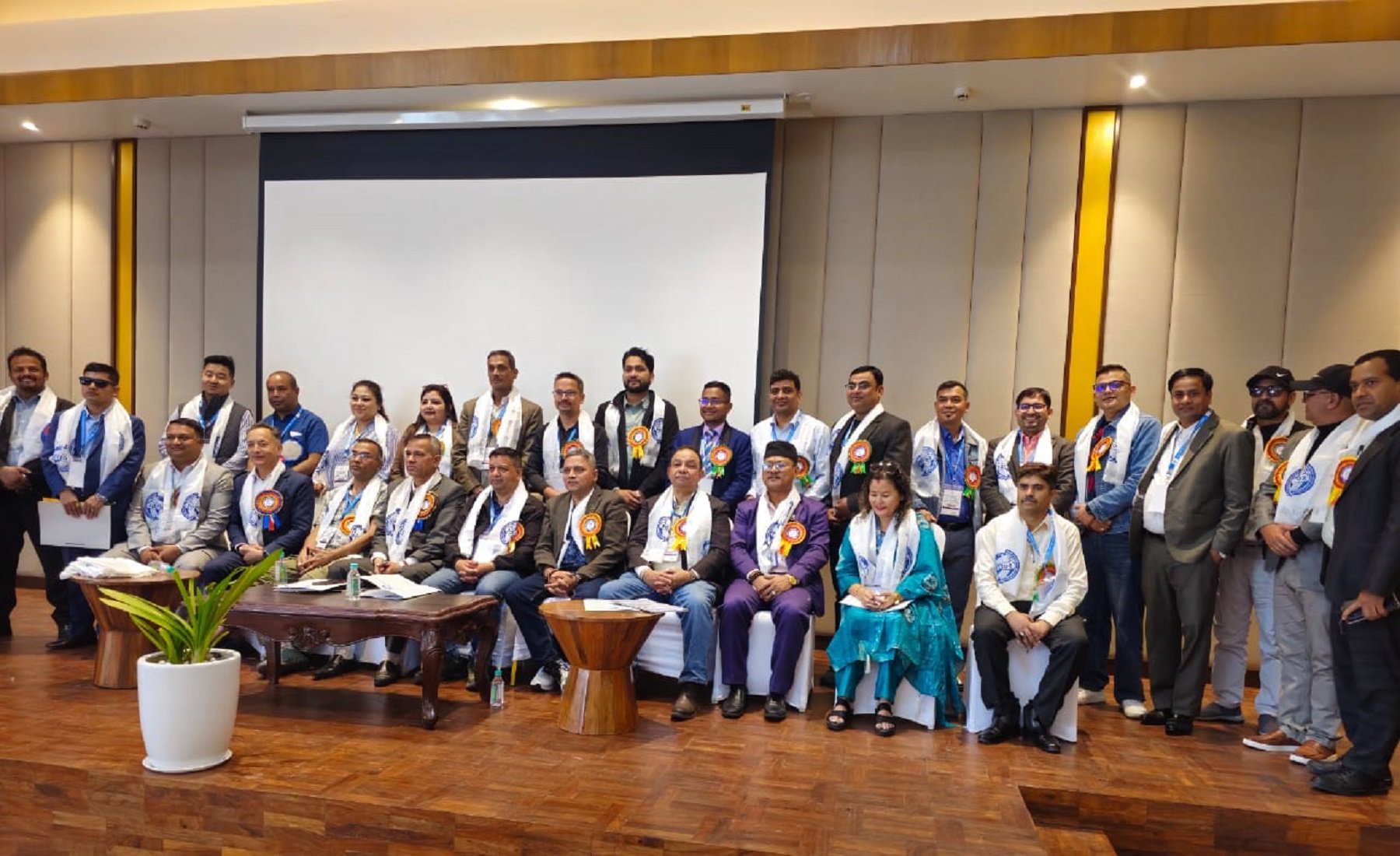
From November 27, 2025 to December 1, 2025, 80 students from the College of Tourism and Hospitality Management (CTHM) under the Department of Tourism Management participated in an educational trip to Seoul, South Korea. The five-day program turned the destination into a learning space, where students observed how travel agencies and tour operators plan tours, how destinations preserve their culture while welcoming visitors, and how airlines and airports manage international flights. They also learned to work with people from diverse backgrounds by adapting to local customs, navigating language differences, and complying with new travel regulations. This experience highlighted the intersection of education and real-world travel, emphasizing the importance of cultural sensitivity, adaptability, and regulatory compliance in the travel industry.
Key Points:
Actionable Takeaways:
Emphasize Cultural Sensitivity in Travel Programs: Educational institutions should integrate cultural sensitivity training into their travel programs to prepare students for diverse international environments. This is crucial as travel increasingly involves interactions across different cultural norms and languages.
Focus on Regulatory Compliance: The trip underscored the importance of staying updated with travel regulations. Travel agencies and tour operators should invest in compliance training to ensure they can navigate evolving travel laws and policies effectively.
Leverage Real-World Experiences for Learning: Educational trips provide invaluable real-world learning opportunities. Institutions should continue to incorporate experiential learning into their curricula to bridge the gap between theory and practice, enhancing students’ practical skills and industry readiness.
Contextual Insights:
The article reflects current industry trends emphasizing experiential learning and cultural competence in the travel sector. As the travel industry continues to evolve, with increasing globalization and cultural diversity, the ability to adapt to new environments and regulatory landscapes becomes paramount. Thought leaders in the travel industry highlight the importance of such immersive educational experiences in preparing future professionals for the challenges and opportunities of the global travel market. This approach not only enhances students’ learning but also equips them with the skills necessary to thrive in a competitive and diverse industry.
Read the Complete Article.
Boutique Travel VC raises investment cap from $1.5M to $10M to lead rounds and support portfolio companies through growth Travel...
Read moreDetails



