



















Travel Capitalist Ventures Expands Check Size to $10 Million to Deepen Emerging Market Conviction
Boutique Travel VC raises investment cap from $1.5M to $10M to lead rounds and support portfolio companies through growth Travel...
Read moreDetails
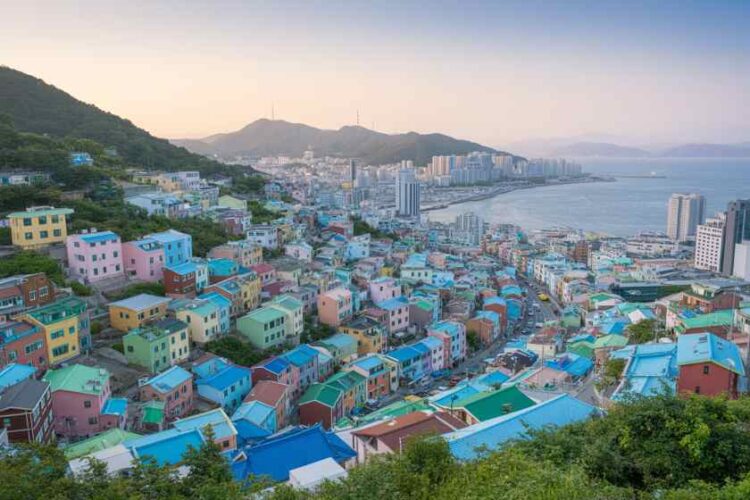
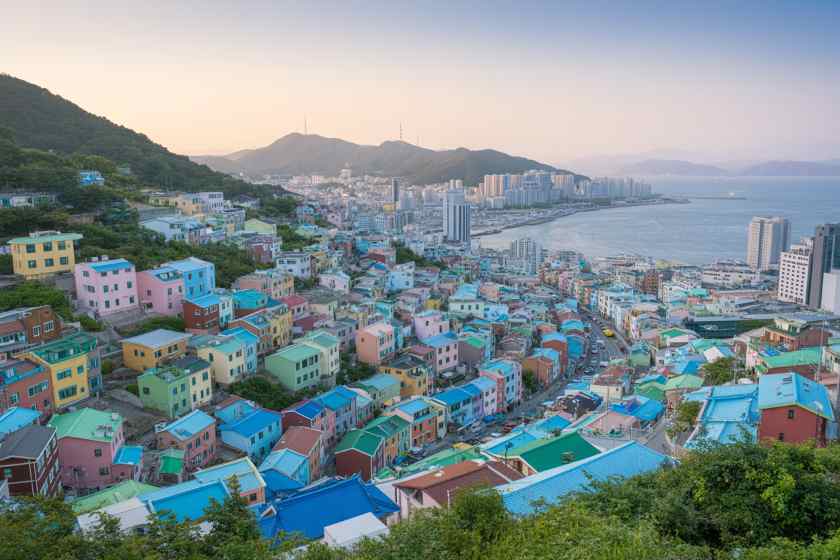
Wyndham Opens Its First Managed Hotel in South Korea—Here’s Where and Why It Matters
Comprehensive Summarization:
Wyndham Hotels & Resorts is intensifying its expansion in South Korea, launching its first managed hotel in the country and planning two more developments in Seoul and Busan. This strategic move aligns with the country’s robust tourism rebound, driven by domestic travel and the return of international visitors. The company has already opened Wyndham Goseong, a 529-room ocean-view resort near Seoraksan National Park, and has signed agreements for Howard Johnson by Wyndham Seoul, set to open in 2028, and Wyndham Busan, expected to welcome guests in 2030. These developments underscore Wyndham’s commitment to capitalizing on South Korea’s growing tourism sector.
Key Points:
Actionable Takeaways:
Strategic Expansion in South Korea: Wyndham’s aggressive expansion in South Korea, with multiple new hotel openings, signals a strong confidence in the country’s tourism recovery. For travel industry stakeholders, this presents an opportunity to analyze successful expansion strategies in emerging markets and potentially adapt similar approaches to their own markets.
Alignment with Tourism Trends: The timing of these developments aligns with the strong rebound in South Korea’s tourism market. Travel industry professionals should monitor such trends to anticipate market shifts and adjust their strategies accordingly, ensuring they remain competitive in a rapidly evolving landscape.
Contextual Understanding:
The article reflects the current state of the travel industry, particularly in South Korea, where tourism is experiencing a significant rebound. This context is crucial for understanding the strategic importance of Wyndham’s expansion plans. The move is also indicative of broader trends in the travel sector, where strategic investments in key markets are becoming a norm for hotel chains aiming to capitalize on recovery phases. Integrating insights from thought leaders on travel tech and market trends, it’s evident that such expansions are often driven by a combination of market analysis, technological advancements, and a deep understanding of consumer behavior.
Handling Different Article Types:
The article in question is a news blurb, providing factual information about Wyndham’s strategic expansion in South Korea. For such articles, the focus is on delivering concise, factual information that is directly sourced from the article. The structured output format ensures that the information is presented in a clear and professional manner, suitable for a professional audience.
markdown
Comprehensive Summarization:
Wyndham Hotels & Resorts is accelerating its expansion across South Korea, marking a new phase in its regional strategy with the opening of its first managed hotel in the country and the announcement of two additional development projects in Seoul and Busan. The move comes as South Korea’s tourism market continues to rebound strongly, supported by domestic travel and a steady return of international visitors.
Key Points:
Actionable Takeaways:
Contextual Insights:
The article reflects the current state of the travel industry, particularly in South Korea, where tourism is experiencing a significant rebound. This context is crucial for understanding the strategic importance of Wyndham’s expansion plans. The move is also indicative of broader trends in the travel sector, where strategic investments in key markets are becoming a norm for hotel chains aiming to capitalize on recovery phases. Integrating insights from thought leaders on travel tech and market trends, it’s evident that such expansions are often driven by a combination of market analysis, technological advancements, and a deep understanding of consumer behavior.
Read the Complete Article.
Boutique Travel VC raises investment cap from $1.5M to $10M to lead rounds and support portfolio companies through growth Travel...
Read moreDetails



Comprehensive Summarization: The article reports on Djibouti's presidential election, where incumbent President Ismail Omar Guelleh is expected to secure a...
Read moreDetails
