


No products in the cart.
- Latest
- Trending

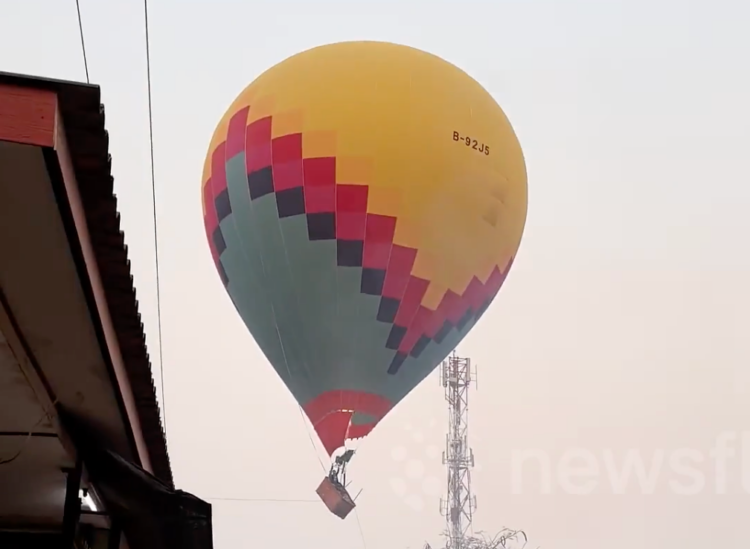
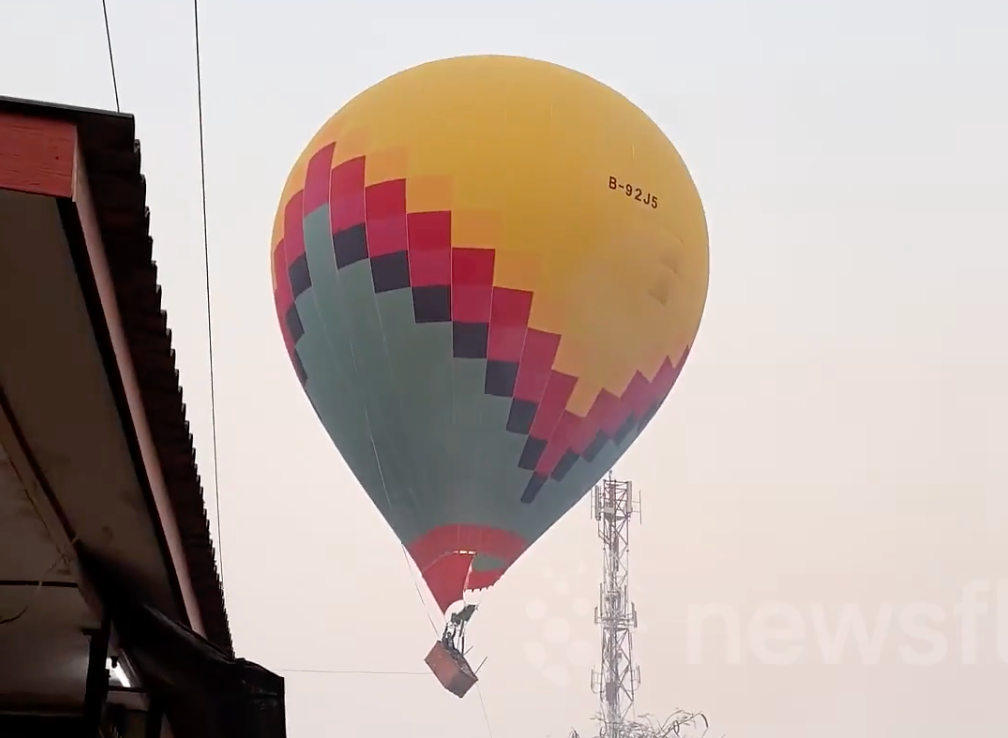
A hot air balloon becomes entangled in power lines in Vang Vieng, Laos. Photo: Screenshot from video, Newsflare
Comprehensive Summarization:
On March 26, a hot air balloon carrying tourists collided with power lines in Vang Vieng, Laos, during a sunset flight. The incident, captured in a video shared by Newsflare, resulted in a power outage affecting thousands of homes. This event follows a temporary suspension of paramotor and hot air balloon flights in the area from late February to mid-March due to safety concerns following an earlier accident. The collision highlights ongoing safety challenges in the travel industry, particularly in areas with high tourist activity and complex infrastructure.
Key Points:
Actionable Takeaways:
Enhanced Safety Protocols: Implement stricter safety protocols for hot air balloon operations, especially during descent, to prevent collisions with power lines. This could include real-time monitoring systems and mandatory safety briefings for operators.
Infrastructure Safety Assessments: Conduct comprehensive safety assessments of infrastructure in tourist areas, particularly power lines and other electrical installations, to mitigate risks associated with aerial activities. This could involve upgrading infrastructure to minimize collision risks.
Regulatory Oversight: Strengthen regulatory oversight of aerial tourism activities in high-risk areas. This could involve stricter licensing requirements for operators and more frequent inspections to ensure compliance with safety standards.
Contextual Insights:
The incident underscores the ongoing challenges in balancing tourism growth with safety and infrastructure management in popular travel destinations. Recent trends indicate a growing emphasis on safety in the travel industry, with thought leaders advocating for technological solutions such as real-time monitoring and AI-driven risk assessments. These innovations can help prevent accidents like the one described, ensuring the safety of tourists while supporting the growth of the travel sector. The incident also highlights the importance of regulatory frameworks that keep pace with technological advancements and evolving safety standards in the travel industry.
Read the Complete Article.
Get curated travel AI insights — choose the newsletters that matter to you.
ALTOUR Expands into Thailand, Strengthening Corporate Travel Network Across Southeast Asia BANGKOK, THAILAND (25 March, 2026) – ALTOUR, a leading...
Read moreDetails


Comprehensive Summarization: Tourism Malaysia has returned to the Pakistan Travel Mart 2026 (PTM 2026) after a five-year absence, participating from...
Read moreDetails