



















Travel Capitalist Ventures Expands Check Size to $10 Million to Deepen Emerging Market Conviction
Boutique Travel VC raises investment cap from $1.5M to $10M to lead rounds and support portfolio companies through growth Travel...
Read moreDetails
Cross-Border Travel Made Easy: Bueng Kan–Bolikhamxay Bus Service Enhances Southeast Asia Tourism
Comprehensive Summarization:
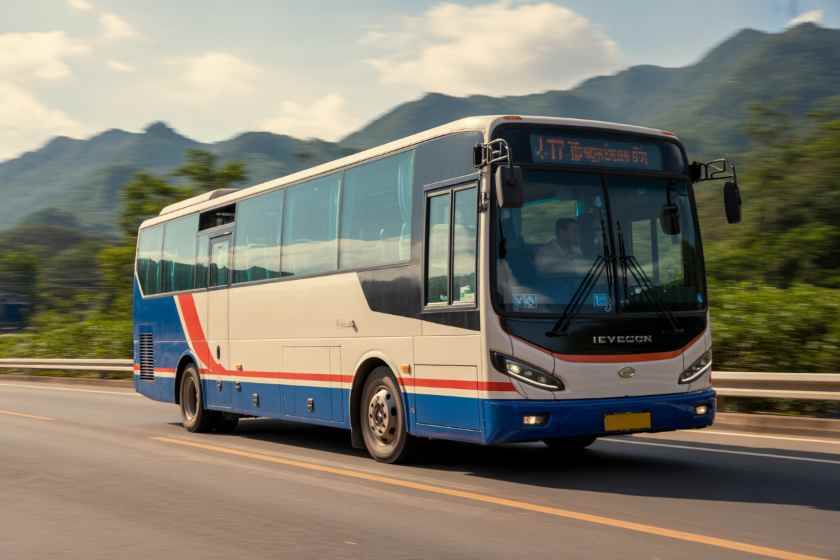
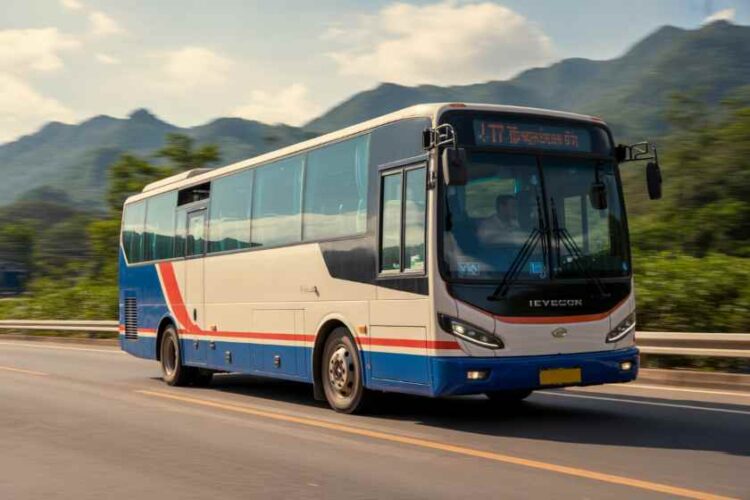
The article announces the launch of a cross-border bus service connecting Bueng Kan Province in Thailand with Bolikhamxay Province in Laos. This service, initiated on January 7, 2026, is operated by a Thai bus company under an international bus service license, utilizing a Thai-registered bus. The primary objective of this initiative is to enhance transportation connectivity between the two neighboring provinces, offering tourists a reliable and cost-effective means to travel between Thailand and Laos. The service aims to boost tourism by simplifying cross-border travel, thereby potentially increasing the flow of visitors to both countries.
Key Points:
Actionable Takeaways:
Enhanced Tourism Connectivity: The introduction of the cross-border bus service is expected to significantly improve tourism connectivity between Thailand and Laos. This development could lead to an increase in cross-border tourist traffic, benefiting both countries’ tourism industries. By offering a convenient and affordable travel option, the service may attract more visitors, thereby stimulating economic growth in the tourism sector.
Potential for Increased Regional Collaboration: The service exemplifies a step towards regional collaboration in transportation infrastructure. This could set a precedent for further cross-border initiatives in Southeast Asia, fostering greater regional integration and cooperation. Such collaborations could lead to broader economic benefits, including improved logistics, shared infrastructure investments, and enhanced regional trade.
Innovation in Travel Tech: The launch of this cross-border service highlights the growing importance of travel technology in enhancing tourism experiences. It underscores the potential for bus companies and other travel service providers to leverage technology and international licensing to expand their service offerings. This trend may encourage other travel startups and fintech companies to explore innovative solutions that streamline cross-border travel, further transforming the travel industry.
Contextual Insights:
The launch of the cross-border bus service between Bueng Kan and Bolikhamxay reflects a broader trend in the travel industry towards enhancing connectivity and accessibility between neighboring countries. In recent years, there has been a notable increase in initiatives aimed at improving transportation links, driven by the recognition of the economic and social benefits of cross-border travel. This move aligns with the ongoing global push for regional integration, particularly in Southeast Asia, where tourism is a significant contributor to the economy.
Moreover, the service’s reliance on a Thai-registered bus under an international bus service license indicates a strategic approach to navigating regulatory frameworks. This approach could serve as a model for other travel service providers looking to expand their operations across borders. As the travel industry continues to evolve, such innovations in transportation infrastructure will likely play a crucial role in shaping future travel trends and fostering deeper regional ties.
In summary, the introduction of the cross-border bus service between Bueng Kan and Bolikhamxay represents a significant step forward in enhancing tourism connectivity in Southeast Asia. It not only offers practical benefits for travelers but also sets a precedent for future regional collaborations and technological innovations in the travel sector.
Read the Complete Article.
Boutique Travel VC raises investment cap from $1.5M to $10M to lead rounds and support portfolio companies through growth Travel...
Read moreDetails




