






















Travel Capitalist Ventures Expands Check Size to $10 Million to Deepen Emerging Market Conviction
Boutique Travel VC raises investment cap from $1.5M to $10M to lead rounds and support portfolio companies through growth Travel...
Read moreDetails

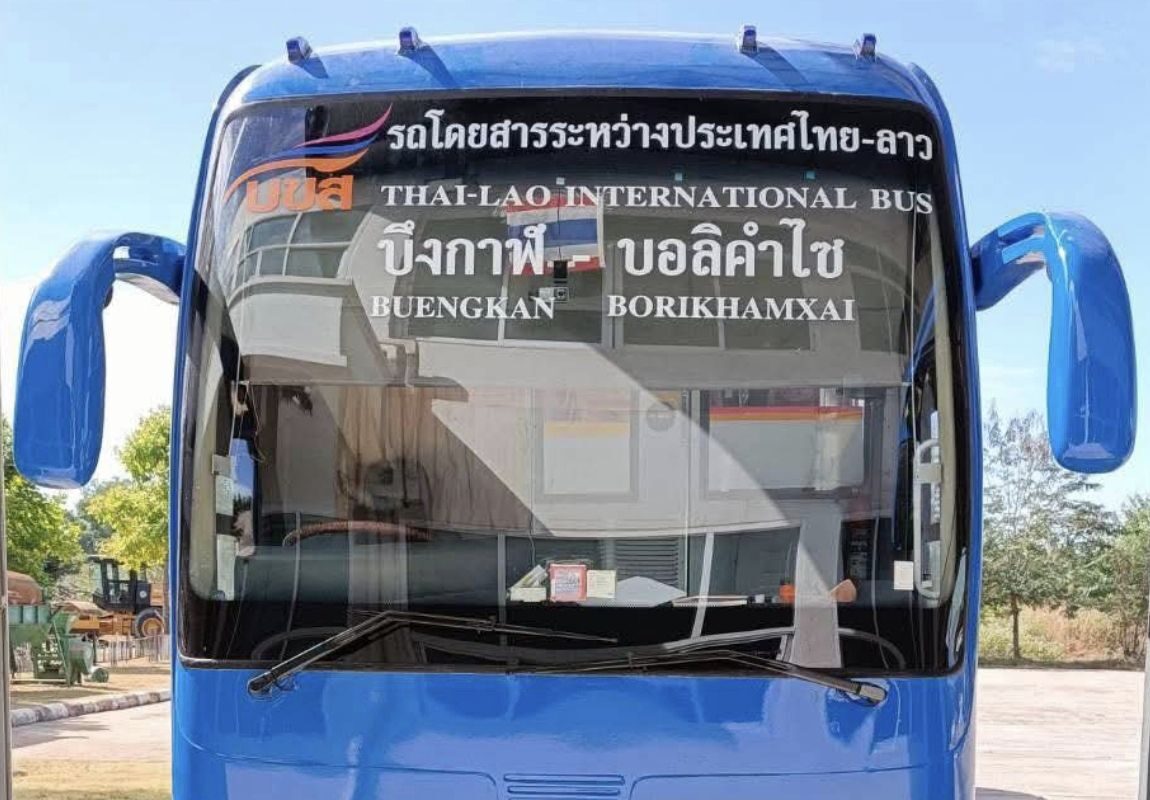
A new Bueng Kan–Bolikhamxai cross-border bus route launched a trial service on 7 January to improve Laos–Thailand transport links. (Photo: ข่าวอุดร ข่าวโฮมเคเบิ้ล)
Article Summary:
A new cross-border bus service has commenced trial operations between Bueng Kan Province in Thailand and Bolikhamxay Province in Laos. Operated by a Thai bus operator, the service uses one Thai-registered bus under an international bus service license. The fare for the journey is set at THB 100 (USD 3.20). Buses depart from Bueng Kan Bus Terminal at 8:00 am and 1:00 pm, and from Bolikhamxay Bus Terminal at 10:30 am and 3:30 pm. To facilitate cross-border travel, a shuttle bus service will operate between the Thai-Lao border checkpoints.
Key Points:
Actionable Takeaways:
Contextual Insights:
The launch of this cross-border bus service aligns with the broader trend of enhancing regional connectivity in Southeast Asia. As countries in the region seek to strengthen economic ties and boost tourism, initiatives like this play a crucial role. The use of an international bus service license indicates a recognition of the need for standardized regulations across borders, which can facilitate smoother operations and greater trust among travelers. Furthermore, the inclusion of a shuttle bus service between border checkpoints addresses a critical need for seamless border crossing, a common challenge in cross-border travel. This reflects a forward-looking approach to travel tech, where convenience and efficiency are prioritized to enhance the overall travel experience. As the travel industry continues to evolve, such innovations are likely to become more prevalent, driving further advancements in travel logistics and passenger experience.
Read the Complete Article.
Boutique Travel VC raises investment cap from $1.5M to $10M to lead rounds and support portfolio companies through growth Travel...
Read moreDetails




