





















Travel Capitalist Ventures Expands Check Size to $10 Million to Deepen Emerging Market Conviction
Boutique Travel VC raises investment cap from $1.5M to $10M to lead rounds and support portfolio companies through growth Travel...
Read moreDetails
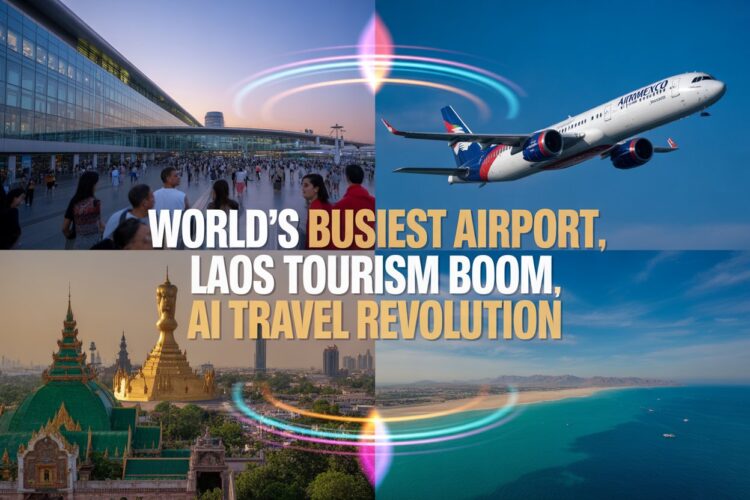
Canada Joins the Digital Nomad Revolution, Dubai Surpasses Atlanta as World’s Busiest Airport, Laos ...
Article Summary:
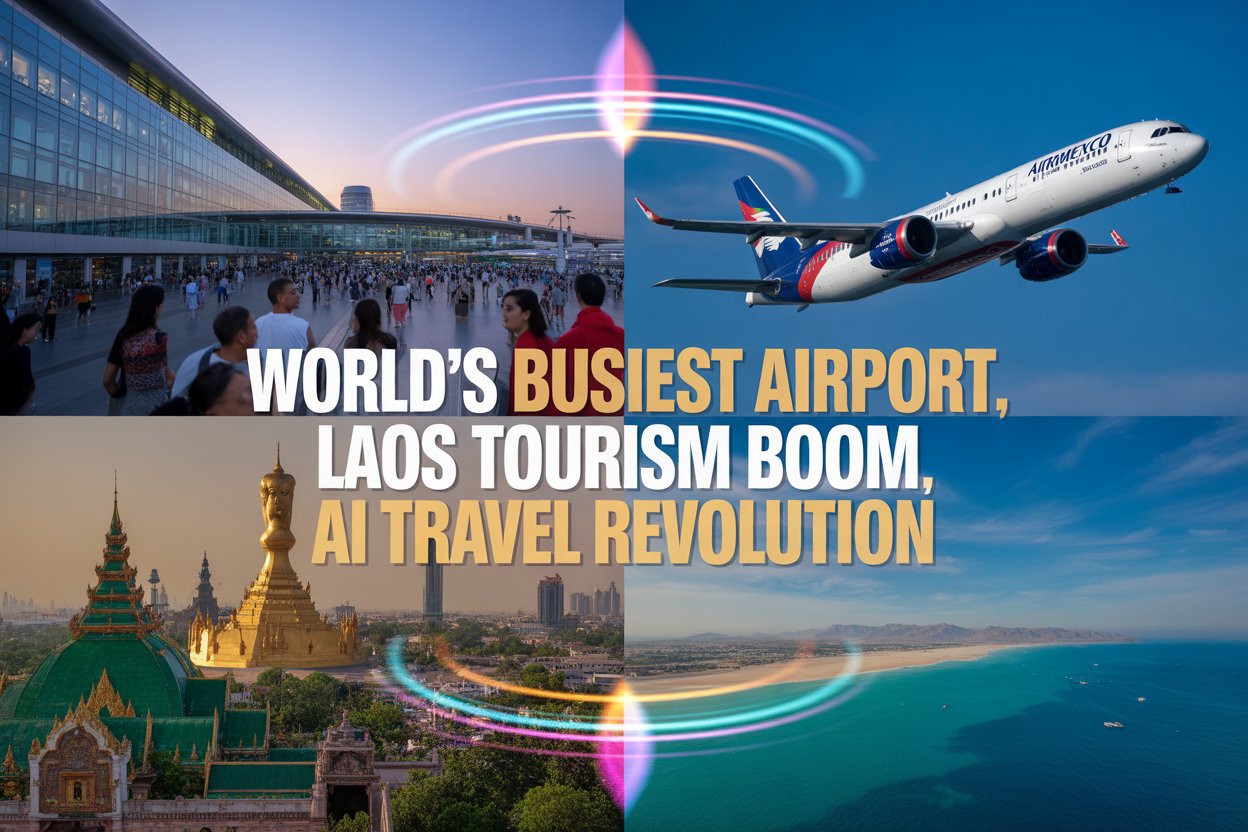
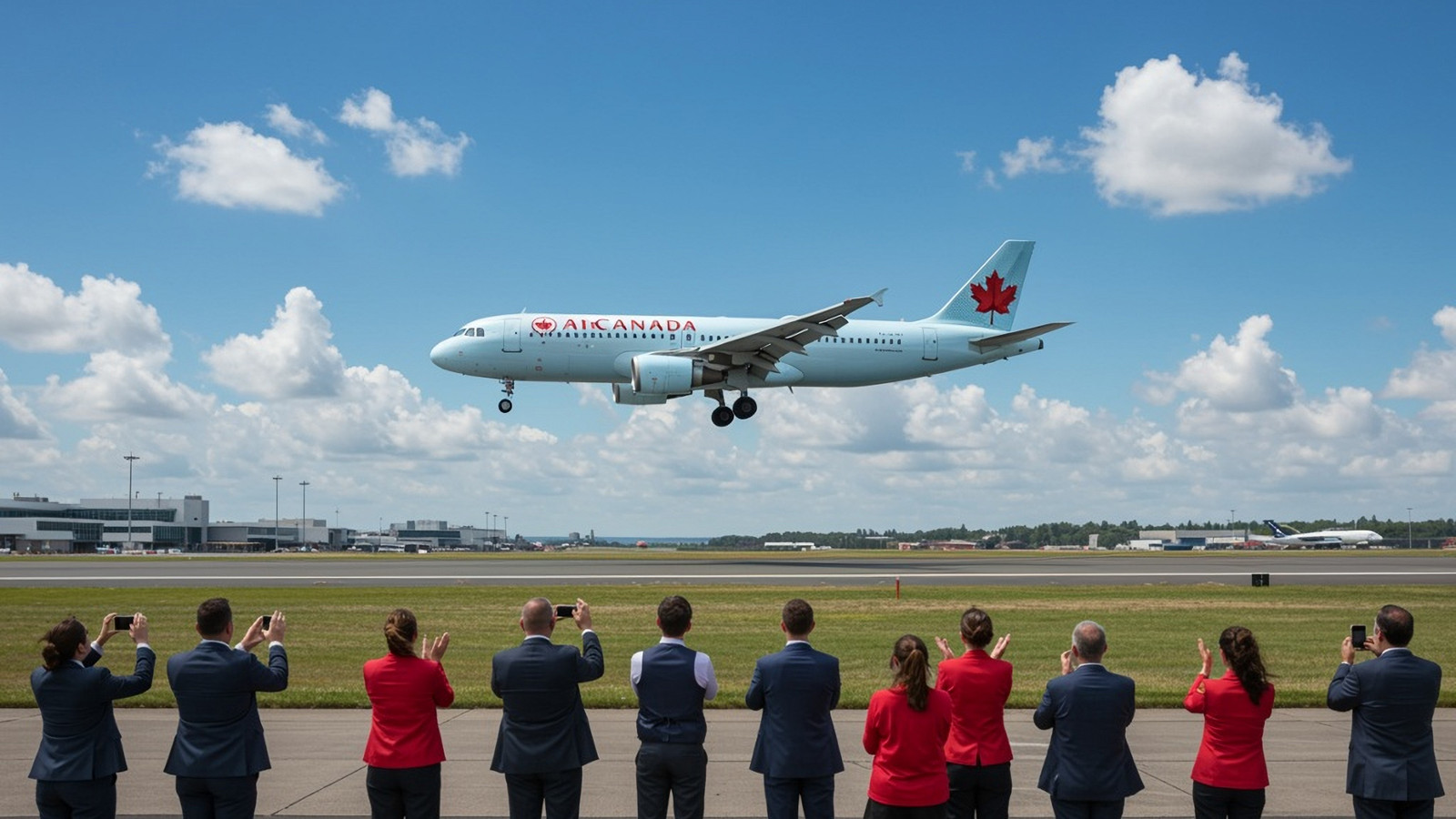
The travel industry is undergoing significant transformation with several key developments. Canada has joined the digital nomad revolution, positioning itself alongside countries like the US, Mexico, and New Zealand as a global leader in remote work opportunities. This shift reflects a broader trend that is reshaping how people live and work worldwide. Concurrently, Dubai has surpassed Atlanta to become the world’s busiest airport, indicating a shift in global travel patterns. Laos is also making strides by uniting with global tourism powerhouses, signaling a growing interconnectedness in the tourism sector. Additionally, Aeromexico is setting new standards in the industry, further highlighting ongoing innovations and advancements in travel technology and services.
Key Points:
Actionable Takeaways:
Contextual Insights:
The article reflects the current state of the travel industry, characterized by rapid technological advancements, shifting travel patterns, and strategic partnerships. The digital nomad revolution in Canada exemplifies the growing trend of remote work, driven by technological advancements and changing work dynamics. Dubai’s emergence as the world’s busiest airport underscores the evolving nature of global travel, with major hubs adapting to meet changing demand patterns. Laos’ partnership with global tourism powerhouses highlights the increasing interconnectedness of the tourism sector, driven by the need for collaboration and innovation to remain competitive. Aeromexico’s setting of new standards underscores the importance of continuous innovation in travel services, reflecting the industry’s commitment to delivering superior customer experiences. These developments collectively point to a future where flexibility, strategic partnerships, and innovation are key drivers of success in the travel industry.
Read the Complete Article.
Boutique Travel VC raises investment cap from $1.5M to $10M to lead rounds and support portfolio companies through growth Travel...
Read moreDetails




