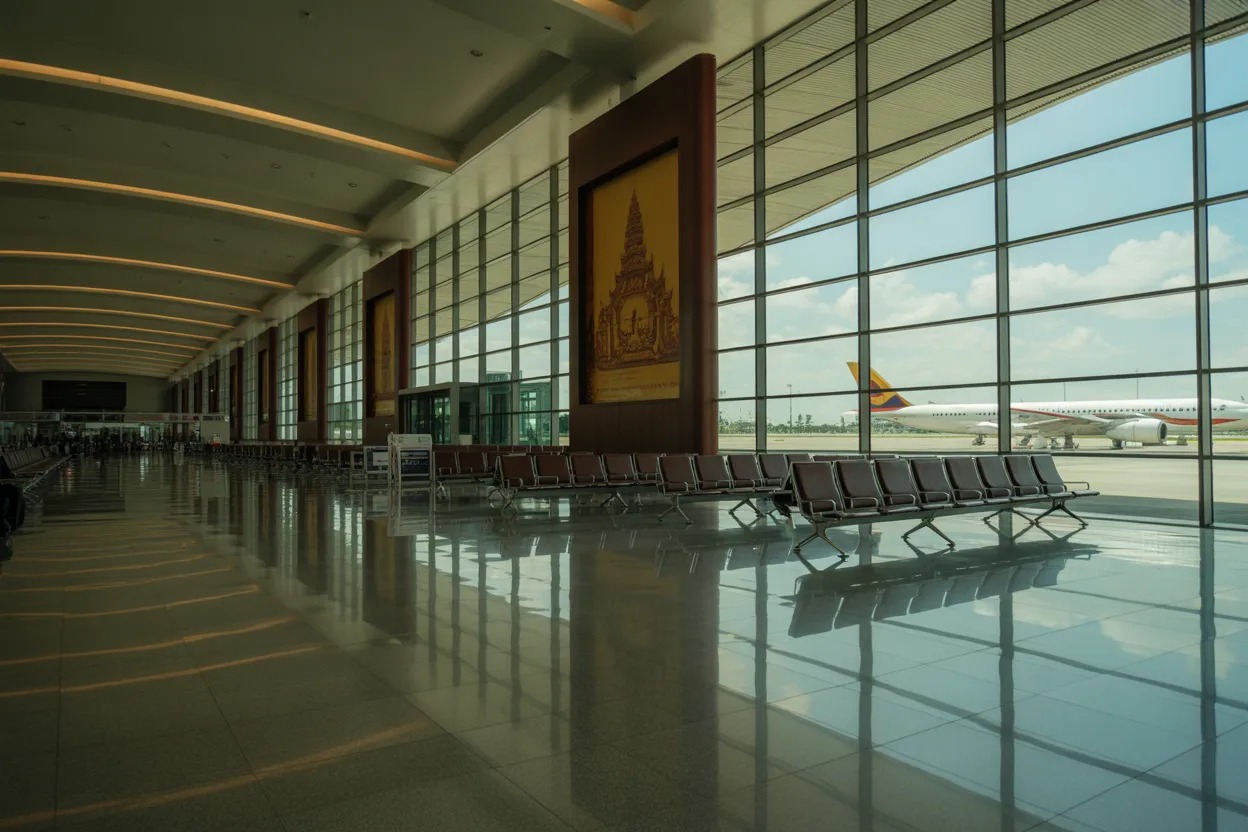
China has launched an airborne medical mission in Laos using its first domestically developed C909 airplane hospital. This specialized aircraft, designed to provide various medical services to underserved populations, marks the beginning of the Air Health Silk Road Initiative. The mission’s first stop is Vientiane, Laos’ capital, symbolizing China’s commitment to public welfare medical aid. The initiative aims to extend healthcare services to remote and underserved regions, enhancing medical accessibility and improving public health outcomes.
Key Points:
C909 Airplane Hospital Launch:China’s first domestically developed C909 airplane hospital landed in Vientiane, Laos, on February 6, 2026, initiating a public welfare medical mission.
Air Health Silk Road Initiative: This mission is part of China’s broader Air Health Silk Road initiative, aimed at providing essential medical services to underserved populations across different regions.
Focus on Underserved Populations: The primary objective of the C909 airplane hospital is to serve populations in regions where traditional healthcare infrastructure is lacking, thereby improving healthcare accessibility.
First Stop in Laos: The C909 airplane hospital’s initial deployment in Laos underscores China’s strategic focus on enhancing healthcare services in Southeast Asia.
Actionable Takeaways:
Enhanced Healthcare Accessibility: The deployment of the C909 airplane hospital in Laos demonstrates China’s commitment to improving healthcare accessibility in underserved regions. For travel and tourism companies, this initiative could open new opportunities for medical tourism, particularly in regions where healthcare services are limited. Travel agencies could explore partnerships with healthcare providers to offer comprehensive travel packages that include medical services, thereby attracting health-conscious travelers.
Strategic Expansion of Air Medical Services: The Air Health Silk Road Initiative signals a strategic expansion of air medical services by China. Travel and tour operators could capitalize on this trend by developing travel itineraries that include medical stops or services, particularly in regions where the Air Health Silk Road is operational. This could include offering medical evacuation services or partnering with healthcare providers to offer medical check-ups and treatments during travel.
Innovation in Medical Logistics: The use of C909 airplane hospitals represents a significant innovation in medical logistics and emergency healthcare delivery. Travel industry stakeholders, especially those involved in logistics and supply chain management, could learn from this approach to improve the efficiency and reliability of medical supply chains. This could involve exploring partnerships with aviation companies to optimize the deployment and operation of medical aircraft, ensuring timely and efficient delivery of medical supplies and personnel to remote areas.
Contextual Understanding:
The launch of the C909 airplane hospital in Laos is a strategic move by China to enhance its global healthcare footprint, particularly in regions with limited access to medical services. This initiative aligns with broader global trends towards leveraging technology and innovation in healthcare delivery, such as telemedicine and mobile health clinics. The Air Health Silk Road Initiative reflects a growing recognition of the importance of accessible healthcare in fostering sustainable development and improving quality of life in underserved communities.
In the context of the travel industry, this initiative highlights the increasing importance of medical tourism and the potential for travel companies to offer integrated healthcare services. As global health concerns continue to rise, the demand for reliable and efficient medical services during travel is likely to increase. Travel companies that can provide comprehensive healthcare solutions, including partnerships with medical facilities like the C909 airplane hospital, will be well-positioned to meet this growing demand.
Moreover, the initiative underscores the importance of strategic partnerships between governments, healthcare providers, and travel companies. By collaborating with entities like the C909 airplane hospital, travel companies can enhance their service offerings, attract a niche market of health-conscious travelers, and contribute to public health initiatives in underserved regions. This collaborative approach not only benefits travelers but also supports broader public health goals, making it a win-win scenario for all stakeholders involved.