
























Travel Capitalist Ventures Expands Check Size to $10 Million to Deepen Emerging Market Conviction
Boutique Travel VC raises investment cap from $1.5M to $10M to lead rounds and support portfolio companies through growth Travel...
Read moreDetails
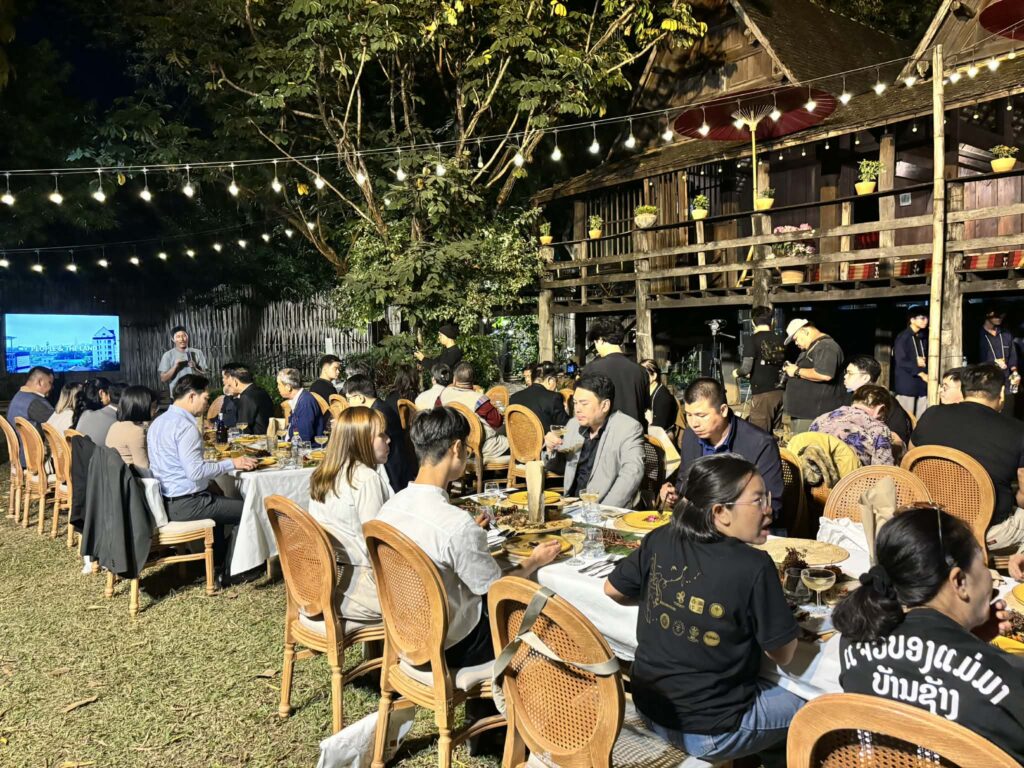
China, Thailand, Laos and Burma working to push sustainable gastronomy through shared spices
Comprehensive Summarization:
The article discusses the “LMC Spice Routes” initiative, a project led by Maejo University and supported by the Lancang–Mekong Cooperation (LMC) Special Fund for Fiscal Year 2024. This initiative aims to foster cooperation between China, Laos, Burma, and Thailand through the promotion of spices as a unifying element across gastronomy, culture, and sustainable tourism. Over the weekend, the festival featured culinary demonstrations and workshops by chefs and experts from participating countries, showcasing national culinary identities and traditional uses of spices. Additionally, a forum discussion titled “Connecting Cultural Food Tourism Routes in the…” was held, emphasizing the integration of cultural food tourism into broader travel experiences.
Key Points:
Actionable Takeaways:
Culinary Tourism as a Growth Driver: The emphasis on spices as a unifying element in gastronomy and cultural tourism suggests a growing trend in culinary tourism. Travel businesses and destinations can leverage this trend by developing spice-themed tours, workshops, and culinary experiences to attract tourists interested in cultural and gastronomic exploration.
Cross-Border Collaboration in Tourism: The initiative exemplifies the potential for cross-border collaboration in the travel industry. Travel startups and tourism boards can explore partnerships and joint ventures that promote cultural exchange and sustainable tourism practices, particularly in regions with shared cultural and culinary heritage.
Integration of Cultural Experiences in Travel Itineraries: The success of the festival indicates a demand for integrated cultural experiences in travel itineraries. Travel agencies and tour operators can innovate by creating packages that combine culinary workshops, local market visits, and cultural performances, thereby enhancing the overall travel experience and differentiating their offerings in a competitive market.
Contextual Insights:
The “LMC Spice Routes” initiative aligns with current travel industry trends that emphasize experiential and culturally immersive travel. As travelers increasingly seek authentic and meaningful experiences, destinations that offer unique culinary and cultural insights are likely to attract more visitors. The project’s focus on spices, a globally recognized and valued commodity, underscores the potential for leveraging traditional knowledge and local produce to drive tourism growth. Furthermore, the initiative’s emphasis on sustainable tourism practices resonates with the growing emphasis on eco-friendly and responsible travel, reflecting a broader industry shift towards sustainability.
In the context of travel tech and fintech, the initiative highlights the importance of digital platforms in facilitating cross-border collaborations and promoting cultural tourism. Innovations in travel booking, payment solutions, and digital marketing can play a crucial role in promoting such initiatives, making them more accessible to a global audience. As the travel industry continues to evolve, embracing such collaborative and culturally rich experiences will be key to staying relevant and competitive.
Read the Complete Article.
Boutique Travel VC raises investment cap from $1.5M to $10M to lead rounds and support portfolio companies through growth Travel...
Read moreDetails




