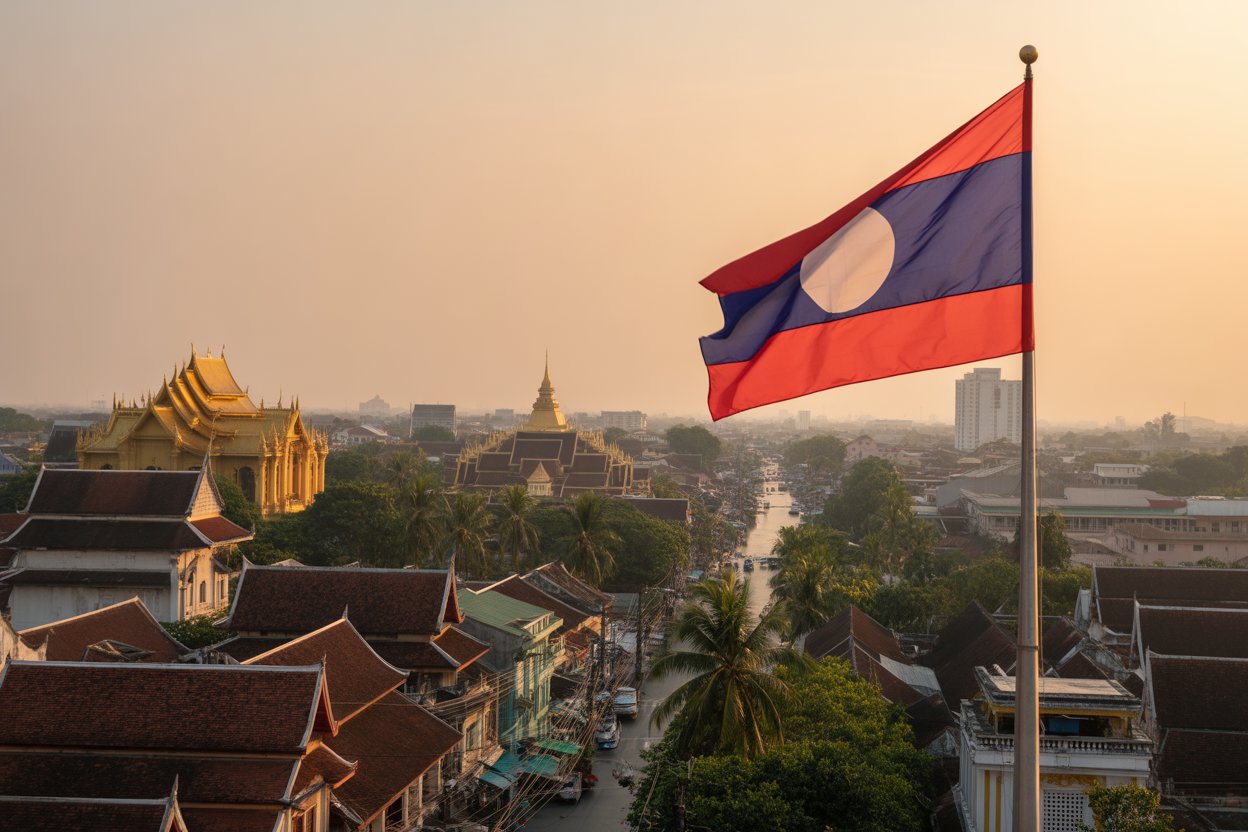
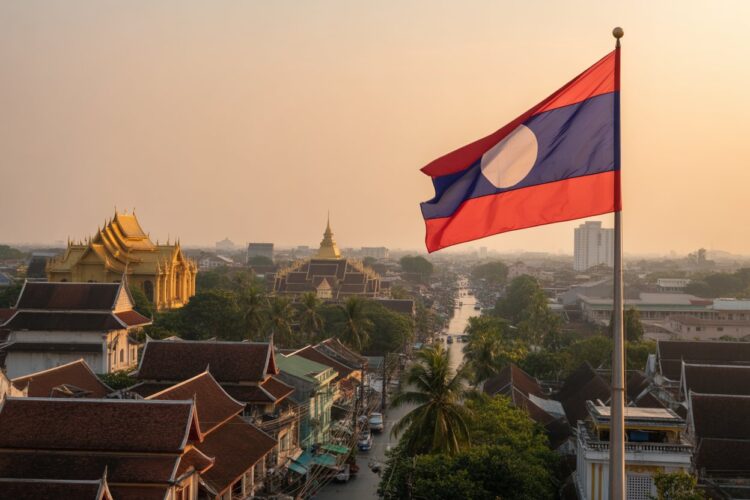
The article reports on Laos’ unveiling of a 10-year Socio-Economic Development Strategy and Vision to 2055, alongside sweeping legal reforms aimed at transforming economic growth, infrastructure, and tourism. This strategic decision, approved by the government during cabinet meetings chaired by Prime Minister Sonexay Siphandone, underscores a commitment to long-term national planning and sustainable development. The strategy aligns policy, legal frameworks, and initiatives to foster a holistic approach to economic, social, and infrastructural development, positioning Laos for robust growth over the next decade.
Key Points:
Laos has approved a 10-year Socio-Economic Development Strategy (2026-2035) and a Vision to 2055, emphasizing long-term national planning and sustainable development.
The strategy includes sweeping legal reforms designed to transform economic growth, infrastructure, and tourism sectors.
The decision was made during cabinet meetings chaired by Prime Minister Sonexay Siphandone, highlighting the government’s commitment to strategic policy alignment.
The reforms are expected to support sustainable development and enhance the country’s competitiveness in the global market.
Actionable Takeaways:
Investment in Infrastructure: The reforms signal a significant push towards upgrading Laos’ infrastructure, which could attract foreign investments in transportation, energy, and telecommunications. This is crucial for enhancing connectivity and supporting tourism growth.
Legal Reforms for Business Environment: The sweeping legal reforms are likely to streamline business operations and attract foreign investments, particularly in tourism and hospitality sectors. Simplified regulations and improved legal clarity can reduce operational costs and increase competitiveness for local businesses.
Focus on Sustainable Tourism: With a vision extending to 2055, Laos is positioning itself for long-term growth in tourism. This includes developing eco-friendly tourism practices and sustainable infrastructure, which can enhance the country’s appeal as a responsible travel destination.
Contextual Understanding:
The article reflects Laos’ strategic focus on long-term development and sustainability, aligning with global trends towards sustainable and responsible tourism. The emphasis on legal reforms and infrastructure development is indicative of a broader shift towards creating a conducive environment for both domestic and international investments. In the context of the travel industry, this strategic vision could lead to enhanced tourism infrastructure, improved visitor experiences, and increased investment opportunities. The article also highlights the importance of aligning policy and legal frameworks with economic goals, a trend increasingly recognized in the travel and tourism sector as a key driver of sustainable growth.
Handling Different Article Types:
The article is a news blurb, providing factual information about Laos’ strategic development plans. The structured output format below captures the essence of the article:
markdown
Comprehensive Summarization:
Laos has unveiled a 10-year Socio-Economic Development Strategy and Vision to 2055, accompanied by sweeping legal reforms aimed at transforming economic growth, infrastructure, and tourism. This strategic decision, approved by the government, underscores a commitment to long-term national planning and sustainable development, positioning Laos for robust growth over the next decade.
Key Points:
Approval of a 10-year Socio-Economic Development Strategy (2026-2035) and Vision to 2055.
Legal reforms to transform economic growth, infrastructure, and tourism sectors.
Strategic decision made during cabinet meetings chaired by Prime Minister Sonexay Siphandone.
Focus on sustainable development and enhancing the country’s competitiveness globally.
Actionable Takeaways:
Investment in Infrastructure: The reforms signal a significant push towards upgrading Laos’ infrastructure, attracting foreign investments in transportation, energy, and telecommunications, which will enhance connectivity and support tourism growth.
Legal Reforms for Business Environment: Simplified regulations and improved legal clarity are expected to streamline business operations, particularly in tourism and hospitality sectors, reducing operational costs and increasing competitiveness.
Focus on Sustainable Tourism: With a vision extending to 2055, Laos is positioning itself for long-term growth in tourism, developing eco-friendly tourism practices and sustainable infrastructure, enhancing the country’s appeal as a responsible travel destination.
Contextual Insights:
The article reflects Laos’ strategic focus on long-term development and sustainability, aligning with global trends towards sustainable and responsible tourism. The emphasis on legal reforms and infrastructure development indicates a broader shift towards creating a conducive environment for both domestic and international investments. In the travel industry, this strategic vision could lead to enhanced tourism infrastructure, improved visitor experiences, and increased investment opportunities. The article highlights the importance of aligning policy and legal frameworks with economic goals, a trend increasingly recognized as a key driver of sustainable growth in the travel sector.