

No products in the cart.
- Latest
- Trending



Laos-China Railway: A Revolutionary High-Speed Rail Link Transforming Travel and Tourism in Southeas...
The recently inaugurated Laos-China Railway is poised to revolutionize travel and tourism across Southeast Asia, offering a direct, high-speed link between Laos and China. This ambitious infrastructure project promises to unlock new economic opportunities and reshape how people experience the region.
Connecting Nations, Opening Doors
The 414-kilometer railway, a flagship project under China’s Belt and Road Initiative, stretches from Vientiane, the capital of Laos, to Mohan, the border town in China. Its strategic importance lies in its ability to shorten travel times dramatically. What once took days of arduous road travel can now be accomplished in a matter of hours. This increased accessibility is a significant boon for both leisure and business travelers.
For tourists, the railway opens up Laos as a more viable and attractive destination. Previously, reaching Laos often involved multiple flights or lengthy overland journeys. Now, with seamless connectivity from China, a vast new market of travelers can easily explore Laos’s rich cultural heritage, stunning natural landscapes, and burgeoning tourism sector. Similarly, it provides a more efficient gateway for travelers from Laos and other ASEAN nations to access China’s diverse attractions.
Economic Ripple Effects
Beyond tourism, the Laos-China Railway is expected to drive significant economic growth. It facilitates the efficient transport of goods, boosting trade between the two nations and potentially across the broader region. This improved logistics can lower costs for businesses and encourage greater investment.
The railway is also seen as a catalyst for infrastructure development in Laos, with plans for further connectivity projects to expand its reach within the country and to neighboring nations like Thailand and Cambodia. This integrated network aims to create a more cohesive and interconnected Southeast Asia, fostering regional cooperation and economic integration.
Transforming the Travel Experience
The high-speed nature of the train itself offers a modern and comfortable travel experience. Passengers can expect efficient service, scenic views, and the ability to cover vast distances with ease. This shift from slower, more challenging modes of transport is a major upgrade for regional travel.
The railway’s impact is multifaceted, extending from individual travel convenience to broader economic development strategies. It represents a significant step forward in realizing the vision of a more accessible and interconnected Southeast Asia, with Laos emerging as a key transit hub.
Key Points
Read the Complete Article.
Get curated travel AI insights — choose the newsletters that matter to you.
This spot is reserved for brands with a compelling story for the travel trade. They use this space to cut...
Read moreDetailsALTOUR Expands into Thailand, Strengthening Corporate Travel Network Across Southeast Asia BANGKOK, THAILAND (25 March, 2026) – ALTOUR, a leading...
Read moreDetails

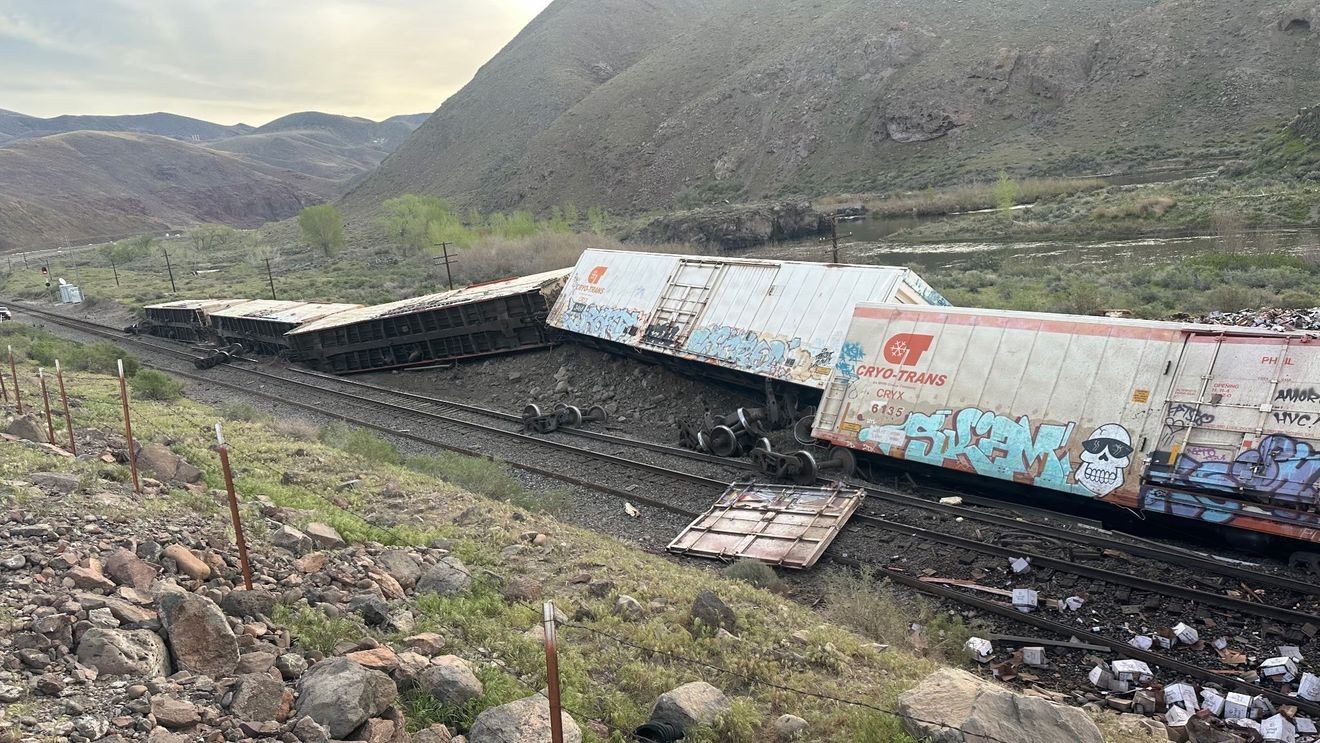
Comprehensive Summarization: On Friday morning, a freight train derailment occurred near USA Parkway, approximately 6:30 a.m. The incident involved the...
Read moreDetails