







No products in the cart.
- Latest
- Trending

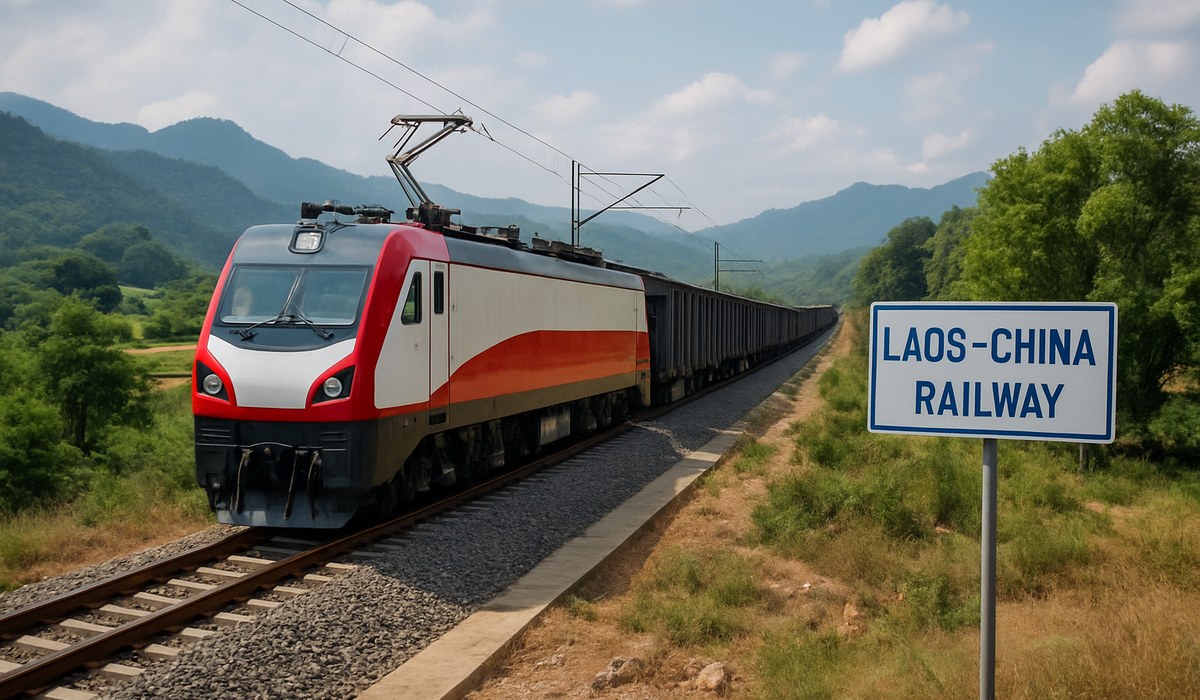
Laos Travel Railway Infrastructure Reshapes Southeast Asian Connectivity
Comprehensive Summarization:
The article discusses the significant impact of the Laos-China Railway on trade, travel, and tourism patterns in Southeast Asia. With an annual cargo capacity exceeding 80 million tonnes, the railway has fundamentally reshaped logistics and transportation in the region. Beyond freight, passenger services have opened new tourism routes that are now as accessible as major international rail corridors. This development is attracting leisure travelers who previously relied solely on aviation or road transport. The improvements in regional connectivity are aligning with broader tourism growth projections in Southeast Asia, mirroring economic forecasts for neighboring markets. The railway represents more than just cargo transportation; it is a catalyst for transforming travel and trade dynamics in the region.
Key Points:
Actionable Takeaways:
Enhanced Connectivity Drives Tourism Growth: The improved railway infrastructure in Laos is opening new tourism routes, making travel more accessible and competitive with international rail options. This trend suggests a growing potential for Southeast Asia to become a key player in global tourism, with implications for travel agencies, tourism boards, and hospitality services in the region.
Shift Towards Multi-Modal Transportation: The integration of freight and passenger services on the railway indicates a shift towards multi-modal transportation solutions. Travel companies and logistics providers should explore partnerships to offer integrated travel and logistics packages, capitalizing on the growing demand for seamless travel experiences that combine efficiency and convenience.
Investment Opportunities in Regional Infrastructure: The alignment of the railway’s development with broader tourism growth projections highlights the potential for strategic investments in regional infrastructure. Investors and governments should consider the long-term benefits of supporting transportation projects that enhance connectivity, as these can drive economic growth and attract more visitors to the region.
Contextual Understanding:
The article reflects the ongoing transformation of Southeast Asia’s travel and logistics landscape, driven by significant infrastructure projects like the Laos-China Railway. This development is part of a larger trend where regional connectivity is becoming a critical factor in tourism and trade. The integration of freight and passenger services is indicative of a broader shift towards multi-modal transportation, which is reshaping how people and goods move across the region. Thought leaders in the travel industry are increasingly recognizing the importance of such infrastructure developments in fostering sustainable tourism growth and economic prosperity. The article also aligns with current industry trends emphasizing the importance of connectivity and accessibility in enhancing travel experiences and opening new market opportunities.
Handling Different Article Types:
The article is a news brief that provides factual information about the Laos-China Railway’s impact on Southeast Asia’s travel and trade sectors. It does not contain opinion pieces or feature articles, so the analysis focuses strictly on the factual content provided. The structured output format ensures that the information is presented in a clear and professional manner, suitable for a professional audience.
markdown
Comprehensive Summarization:
The Laos-China Railway is revolutionizing trade, travel, and tourism in Southeast Asia by handling over 80 million tonnes of cargo annually. Passenger services are creating new tourism routes, making travel more accessible and competitive with international rail options. This development aligns with broader tourism growth projections in the region.
Key Points:
Actionable Takeaways:
Contextual Insights:
The article reflects the ongoing transformation of Southeast Asia’s travel and logistics landscape, driven by significant infrastructure projects. It aligns with current industry trends emphasizing the importance of connectivity and accessibility in enhancing travel experiences and driving economic growth.
Read the Complete Article.
Get curated travel AI insights — choose the newsletters that matter to you.
ALTOUR Expands into Thailand, Strengthening Corporate Travel Network Across Southeast Asia BANGKOK, THAILAND (25 March, 2026) – ALTOUR, a leading...
Read moreDetails


Comprehensive Summarization: The article discusses the significant impact of the Laos-China Railway on trade, travel, and tourism patterns in Southeast...
Read moreDetails