









No products in the cart.
- Latest
- Trending


Dengue Outbreaks in Bangladesh, Laos, Philippines, Thailand, and Worldwide: How Is Laos Tackling Den...
Dengue fever, a persistent global health challenge, is once again making headlines with significant outbreaks reported across Southeast Asia, including Bangladesh, Laos, the Philippines, and Thailand. While the mosquito-borne virus continues to pose a considerable threat worldwide, Laos is stepping forward with a groundbreaking initiative that could revolutionize dengue prevention: the Wolbachia mosquito project. This innovative approach, utilizing a naturally occurring bacterium, is showing immense promise in curbing dengue transmission and offers valuable insights for other nations grappling with similar public health crises.
The core of Laos’ strategy lies in releasing male mosquitoes infected with the Wolbachia bacterium. Wolbachia is a common, naturally occurring microbe found in about 60% of insect species, but not typically in Aedes aegypti, the primary mosquito species responsible for transmitting dengue. When Aedes aegypti mosquitoes are infected with Wolbachia, their reproductive capabilities are significantly altered. Specifically, it reduces the mosquitoes’ ability to transmit the dengue virus. Furthermore, when Wolbachia-infected male mosquitoes mate with wild, uninfected female mosquitoes, their offspring either do not survive or are unable to reproduce, effectively lowering the overall mosquito population and, consequently, the risk of dengue transmission.
This method is not only environmentally friendly, relying on a biological control agent rather than chemical insecticides, but it also targets the vector at its source. The initiative, spearheaded by the World Mosquito Program (WMP), has been meticulously implemented and monitored, with promising early results. The WMP’s efforts in Laos are part of a broader global strategy to combat dengue, with similar projects underway in Australia, Brazil, Colombia, and Vietnam, demonstrating a collaborative and science-driven approach to a pressing public health issue.
Beyond the innovative Wolbachia strategy, Laos is also reinforcing essential preventive measures. These include public awareness campaigns on mosquito breeding site elimination, promoting the use of mosquito nets, and encouraging personal protection methods like applying insect repellent. The government, in partnership with international organizations, is actively working to strengthen its public health infrastructure, ensuring preparedness for current and future outbreaks.
The global dengue situation remains critical, with millions infected annually and a significant economic burden associated with the disease. The successful implementation and positive outcomes observed in Laos’ Wolbachia initiative offer a beacon of hope. This scientific advancement, coupled with robust public health strategies, provides a tangible pathway towards significantly reducing the impact of dengue fever in affected regions and beyond, setting a precedent for future vector control efforts worldwide.
Key Points
Read the Complete Article.
Get curated travel AI insights — choose the newsletters that matter to you.
This spot is reserved for brands with a compelling story for the travel trade. They use this space to cut...
Read moreDetailsALTOUR Expands into Thailand, Strengthening Corporate Travel Network Across Southeast Asia BANGKOK, THAILAND (25 March, 2026) – ALTOUR, a leading...
Read moreDetails


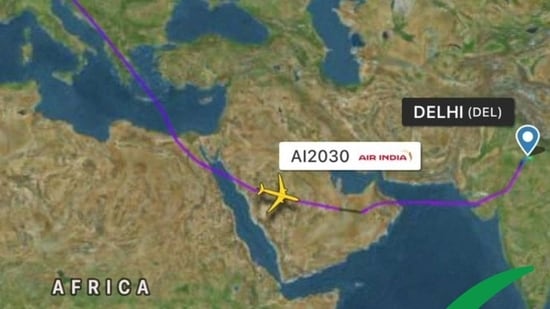
Comprehensive Summarization: The article highlights the significant disruption caused by the Iran-US crisis on global travel plans, particularly affecting major...
Read moreDetails