



















Travel Capitalist Ventures Expands Check Size to $10 Million to Deepen Emerging Market Conviction
Boutique Travel VC raises investment cap from $1.5M to $10M to lead rounds and support portfolio companies through growth Travel...
Read moreDetails
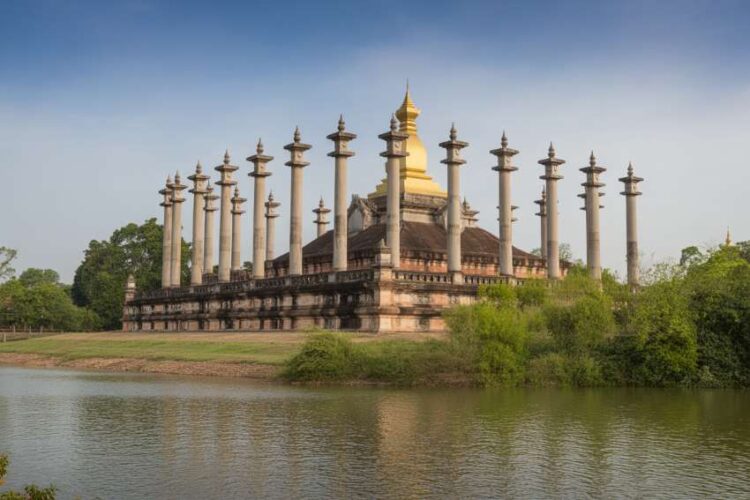
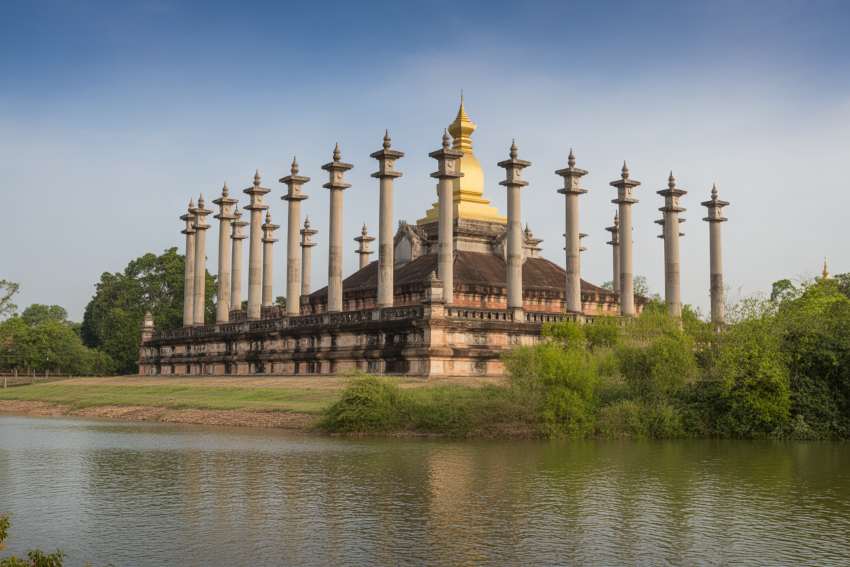
Sam Pang Stupa in Laos’ Champasack Province Gains Official Recognition as a Cultural Heritage Site, ...
Article Summary:
On January 1, 2025, Sam Pang Stupa, also known as That Sam Pang, in Champasack Province’s Soukhouma district, was officially designated as a local-level cultural heritage site. This recognition is an important step towards preserving one of southern Laos’ most significant historical landmarks, helping to conserve heritage while also promoting tourism in the region. The stupa, a striking ancient structure from the Khmer period, provides insight into early regional transport, settlement patterns, and Indian-influenced…
Key Points:
Actionable Takeaways:
Contextual Insights:
The recognition of Sam Pang Stupa as a cultural heritage site reflects a broader trend in the travel industry towards sustainable and culturally enriching tourism. As travelers become more conscious of the need to preserve historical and cultural sites, destinations that actively promote and protect such sites are likely to attract more visitors. This aligns with the growing emphasis on responsible tourism, where the preservation of cultural heritage is a key component of the travel experience. Furthermore, the integration of historical education into tourism can position the region as a unique destination, appealing to travelers interested in cultural and historical experiences. This approach not only preserves the stupa but also enhances the region’s appeal to a niche market of culturally inclined tourists, potentially leading to long-term economic benefits for local communities.
Read the Complete Article.
Boutique Travel VC raises investment cap from $1.5M to $10M to lead rounds and support portfolio companies through growth Travel...
Read moreDetails




