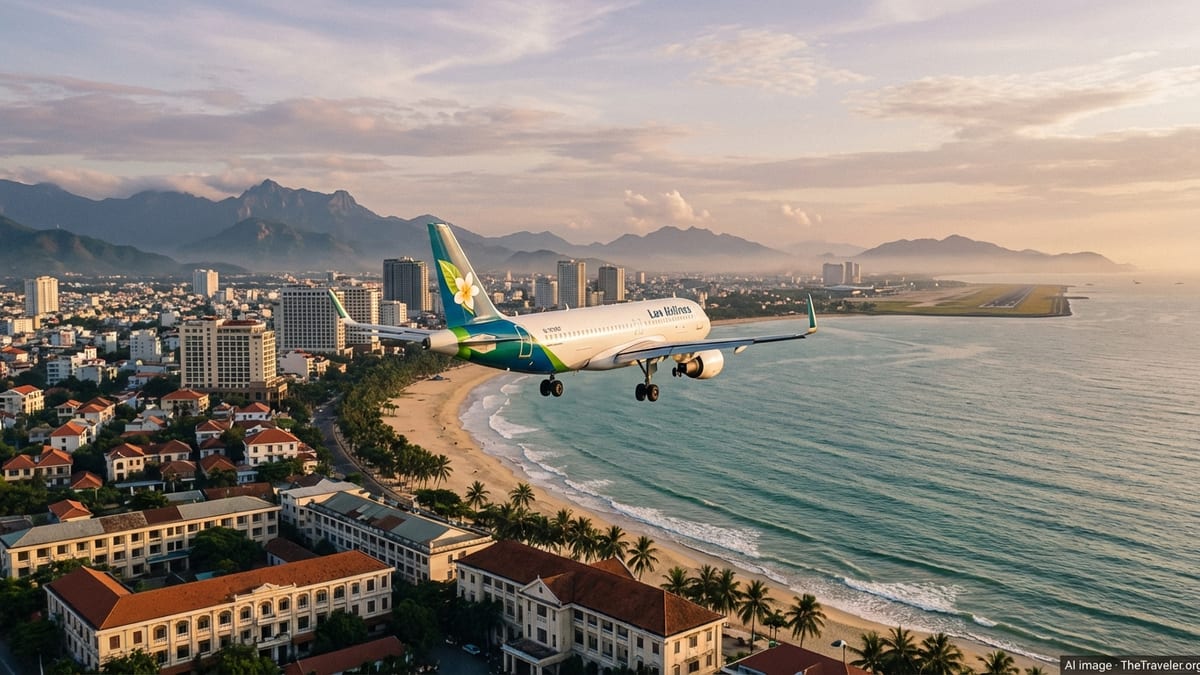
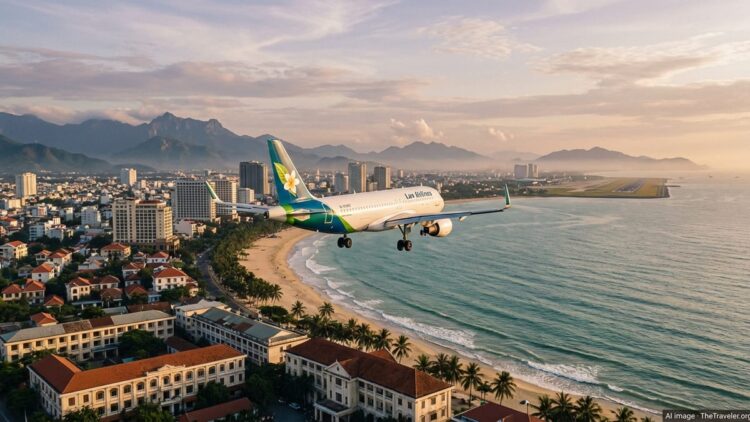
Lao Airlines is reintroducing direct flights between Vientiane and Da Nang starting March 29, 2026, with two weekly services on Thursdays and Sundays. The route, spanning approximately one hour and 20 minutes, will be operated using Comac C909 aircraft with seating for 90 passengers in economy class. This revival aims to enhance accessibility to central Vietnam’s coastal resorts and historical sites like Hue and Hoi An, catering to the growing regional tourism sector.
Key Points:
Lao Airlines will resume direct flights between Vientiane and Da Nang starting March 29, 2026, with two weekly services.
The flights will operate using Comac C909 aircraft, configured for 90 economy seats.
The route is expected to boost tourism by providing easier access to central Vietnam’s coastal resorts and historical sites.
The service aligns with the current growth trend in regional tourism.
Actionable Takeaways:
Enhanced Connectivity for Tourism Growth: The revival of the Vientiane-Da Nang route is expected to significantly boost tourism in central Vietnam by providing easier access to key destinations like Hue and Hoi An. This development is particularly relevant for travel agencies and tourism boards looking to capitalize on increased regional travel demand. By facilitating more frequent and convenient travel options, Lao Airlines is positioning itself as a key player in supporting the growth of Vietnam’s tourism industry.
Strategic Use of Comac C909 Aircraft: The choice of Comac C909 aircraft, known for their efficiency and capacity, indicates a strategic focus on balancing cost-effectiveness with passenger comfort. This choice is likely to enhance the travel experience for passengers while also optimizing operational costs for Lao Airlines. For airlines and travel technology firms, this highlights the importance of selecting appropriate aircraft configurations to meet specific travel needs and market demands.
Contextual Insights:
The revival of the Vientiane-Da Nang route by Lao Airlines is a strategic move that aligns with broader trends in the travel industry towards enhancing connectivity and accessibility. Recent data indicates a growing interest in regional tourism, driven by factors such as improved economic conditions, increased leisure time, and a desire for authentic travel experiences. This trend is supported by thought leaders in the travel sector who emphasize the importance of strategic air corridors in fostering tourism growth.
Moreover, the use of modern aircraft like the Comac C909 reflects the industry’s shift towards leveraging technology and innovation to improve operational efficiency and passenger satisfaction. As travel startups and fintech companies continue to explore new ways to enhance the travel experience, this article underscores the critical role of infrastructure and connectivity in driving tourism growth. For industry stakeholders, this serves as a reminder of the interconnected nature of travel, technology, and economic development, and the importance of aligning strategic initiatives with market trends and consumer preferences.