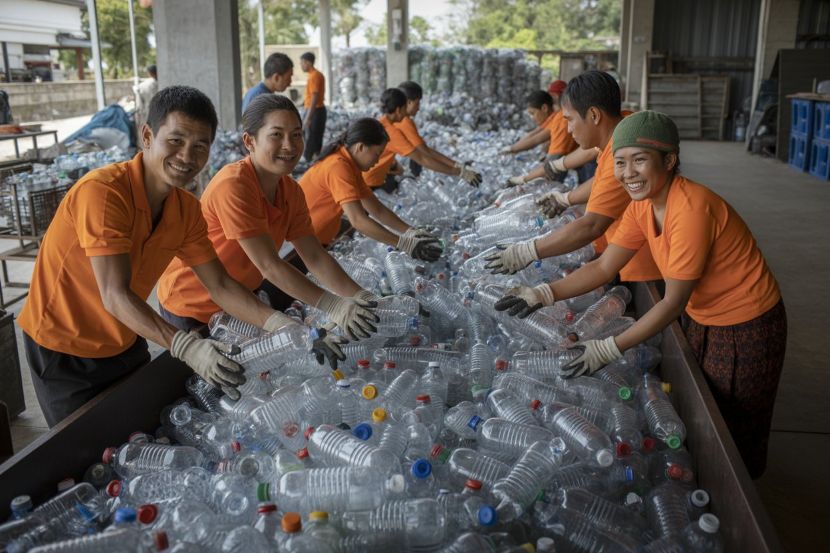
The article reports that the Philippines has joined Brunei, Cambodia, and Laos in a significant pact aimed at combating plastic pollution and restoring the region’s iconic coastlines. This collaborative effort marks a game-changing initiative to address the escalating issue of marine debris in Southeast Asia. The pact outlines clear actions to reduce plastic waste and enhance recycling efforts, reflecting a shared commitment among these nations to preserve their natural beauty and combat environmental degradation. As marine pollution continues to worsen, this united front signifies a pivotal step towards environmental restoration and sustainable tourism in the region.
Key Points:
The Philippines, Brunei, Cambodia, and Laos have formed a pact to tackle plastic pollution across Southeast Asia.
The agreement aims to end plastic pollution and restore the region’s paradise-like coastlines.
The pact sets out clear actions to reduce plastic waste and enhance recycling efforts.
This collaboration reflects a shared vision to preserve the natural beauty of the region and combat environmental degradation.
Actionable Takeaways:
Enhanced Recycling Initiatives: Countries involved in the pact should prioritize enhancing their recycling infrastructure to effectively reduce plastic waste. This includes investing in advanced recycling technologies and expanding recycling facilities to handle increased volumes of recyclable materials. This action is crucial for minimizing environmental impact and promoting sustainable tourism practices.
Public Awareness Campaigns: Launching public awareness campaigns to educate locals and tourists about the importance of reducing plastic usage can significantly contribute to the pact’s goals. Such campaigns can leverage social media, local media, and community programs to encourage behavioral change and foster a culture of environmental responsibility.
Collaborative Research and Development: Encourage joint research and development projects among the participating nations to innovate sustainable alternatives to single-use plastics. This could involve developing biodegradable materials or improving waste management technologies. Such initiatives can drive innovation in the travel and tourism sector, aligning with global sustainability trends.
Contextual Understanding:
The formation of this pact is timely, given the increasing global concern over plastic pollution and its detrimental effects on marine ecosystems. Southeast Asia, with its stunning natural landscapes and popular tourist destinations, is particularly vulnerable to the impacts of plastic waste. The region’s tourism industry, a vital economic driver, stands to benefit significantly from cleaner coastlines and healthier marine environments. This initiative aligns with broader industry trends towards sustainability and responsible tourism, as highlighted by thought leaders in the travel sector. By adopting a united approach, these nations not only address an urgent environmental issue but also position themselves as leaders in sustainable tourism, potentially attracting eco-conscious travelers and enhancing their global competitiveness.
Handling Different Article Types:
The article is a news blurb, providing factual information about a significant international agreement. The summary, key points, and actionable takeaways are structured to reflect the concise nature of news blurbs, ensuring clarity and relevance for a professional audience. The context emphasizes the urgency of addressing plastic pollution in a region heavily reliant on tourism, tying the article to broader industry trends in sustainability and responsible travel practices.