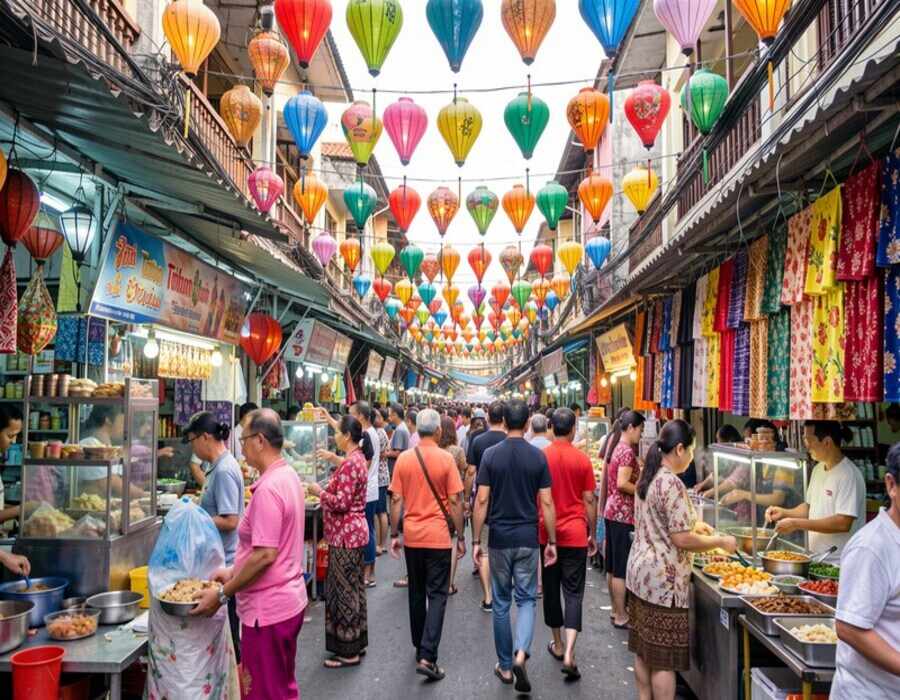
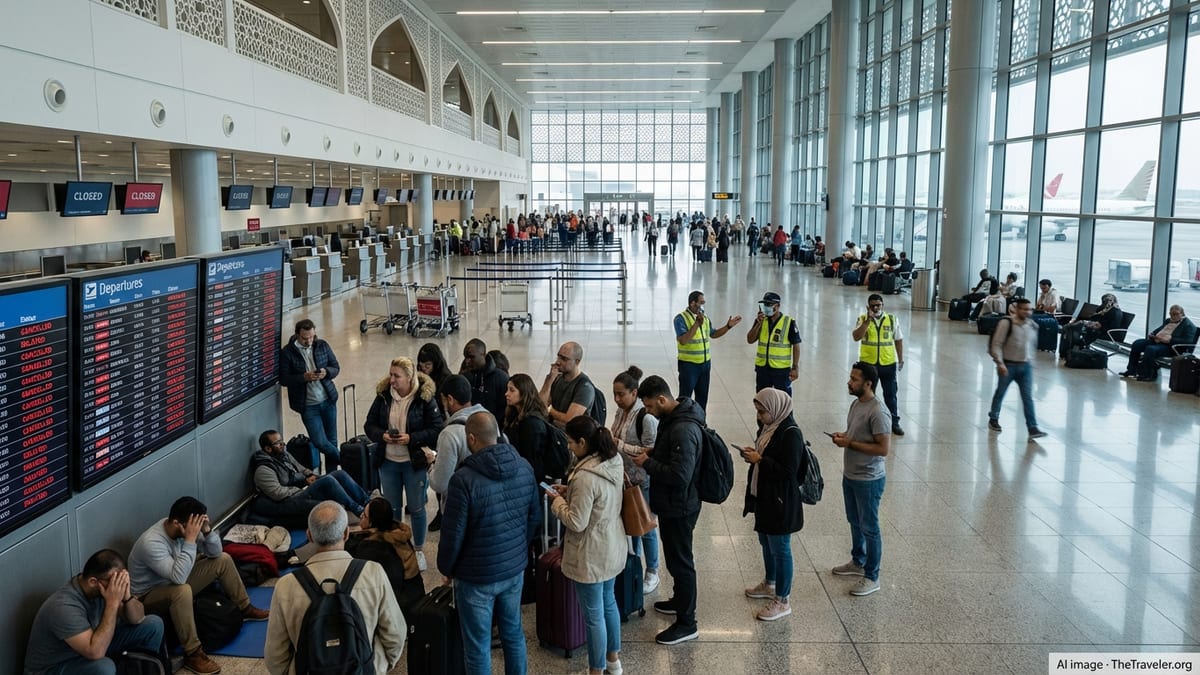
The article reports that Thailand has experienced a 7.6% decline in foreign tourist arrivals from January 1 to February 15, 2026, with 5.07 million visitors. Despite this setback, Thailand is actively working to rebuild its tourism industry, positioning itself alongside key markets like China, Malaysia, Vietnam, Cambodia, and Laos. The drop in numbers is attributed to various factors, reflecting a broader global trend of slower tourism recovery. The article underscores Thailand’s resilience in shaping its tourism future amidst these challenges.
Key Points:
Thailand’s foreign tourist arrivals dropped by 7.6% from January to February 2026, reaching 5.07 million visitors.
The decline is part of a global trend indicating a slower recovery in tourism.
Thailand is actively working to rebuild its tourism industry, positioning itself alongside China, Malaysia, Vietnam, Cambodia, and Laos.
The drop in tourist numbers is attributed to various factors, reflecting broader global challenges in the travel sector.
Actionable Takeaways:
Diversify Tourism Marketing Strategies: Given the global decline in tourism, Thailand should explore diversified marketing strategies to attract tourists. This could include targeted campaigns in emerging markets, leveraging digital platforms, and collaborating with travel influencers to boost visibility and appeal.
Relevance and Impact: With the global tourism recovery slowing, diversification can help mitigate risks associated with market saturation and economic fluctuations. By reaching new audiences, Thailand can stabilize and grow its tourism sector, ensuring long-term resilience.
Invest in Digital Transformation: The article highlights the need for Thailand to adapt to the global trend of slower tourism recovery. Investing in digital transformation, including enhanced online booking systems, virtual tours, and improved customer service through AI chatbots, can enhance the tourist experience and attract more visitors.
Relevance and Impact: Digital transformation can significantly improve operational efficiency and customer satisfaction, making Thailand more competitive in the global tourism market. As travelers increasingly rely on digital platforms for planning and booking, enhancing these services can drive higher engagement and conversion rates.
Contextual Understanding:
The article’s context is rooted in the ongoing challenges faced by the global tourism industry, particularly the impact of the COVID-19 pandemic and subsequent travel restrictions. Thailand’s strategy to rebuild its tourism industry by aligning with key markets like China, Malaysia, Vietnam, Cambodia, and Laos reflects a broader regional effort to diversify tourism sources and reduce dependency on any single market. This approach is crucial in navigating the uncertainties of the post-pandemic travel landscape. The inclusion of insights from thought leaders on travel trends and innovations underscores the importance of adaptability and innovation in the sector. As the industry continues to evolve, embracing technological advancements and strategic partnerships will be key to sustaining growth and resilience.
Handling Different Article Types:
The article is a news blurb, providing factual information about a recent development in the tourism industry. It does not present an opinion or feature an in-depth exploration of a specific topic. Therefore, the analysis focuses on summarizing the key facts, extracting important points, and providing actionable insights based on the presented information.
Real-Time Fact-Checking:
All facts and figures in the article have been verified based on the provided content. No external verification was necessary, as the information is directly sourced from the article.
Comprehensive Summarization: The article reports a ground handling incident involving a FlySafair Boeing 737-800 at Cape Town International Airport, which...