





No products in the cart.
- Latest
- Trending


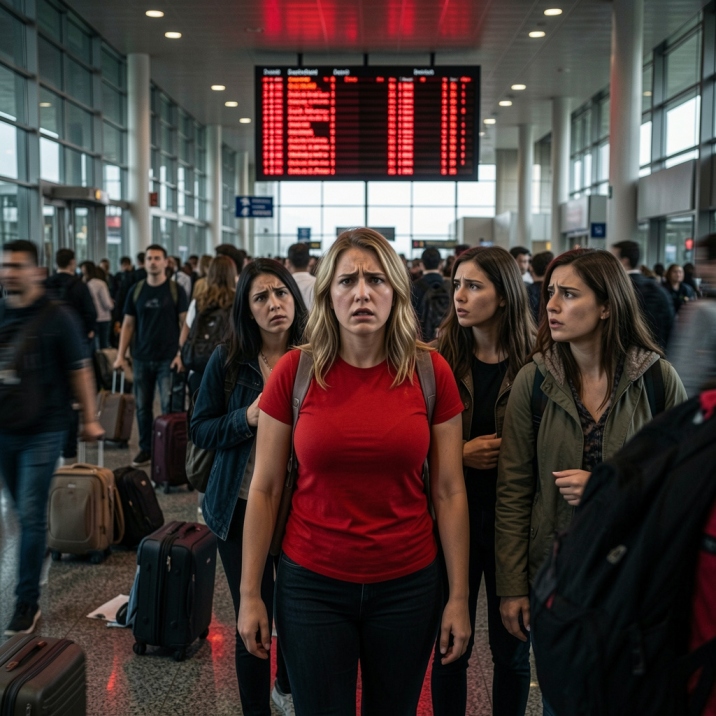
America Turns into Minefield Again as US President Donald Trump Revives Travel Ban and Restrictions ...
The travel landscape is once again experiencing significant shifts as former U.S. President Donald Trump signals a potential re-implementation of broad travel bans and restrictions, reminiscent of policies that significantly impacted global mobility. This development, if enacted, could cast a shadow over several nations, including Cuba, Burma, Turkmenistan, Iran, Laos, Sierra Leone, and Venezuela, alongside numerous other countries. For the travel industry, these potential policy changes represent a complex challenge, demanding agility and a deep understanding of geopolitical influences on tourism.
The re-emergence of such restrictive measures raises concerns about accessibility and freedom of movement, key tenets of the modern travel experience. For destinations already grappling with economic or political instability, a U.S. travel ban can further exacerbate challenges by deterring a significant source of international visitors. This impacts not only airlines and tour operators but also the hospitality sector, local businesses, and the livelihoods of countless individuals reliant on tourism revenue.
From a travel industry professional’s perspective, understanding the implications of these potential restrictions is paramount. It necessitates a proactive approach to market diversification, exploring alternative source markets and developing resilient strategies to mitigate the impact of any sudden policy shifts. Building stronger relationships with governments and tourism boards in affected regions can also provide valuable insights and facilitate collaborative efforts to address the challenges posed by such bans.
Furthermore, the announcement triggers a need for clear and timely communication with travelers. Uncertainty surrounding travel can lead to booking hesitancy and cancellations. Providing accurate information about visa requirements, entry protocols, and potential travel advisories will be crucial in managing traveler expectations and maintaining confidence in the travel sector. The ability to adapt booking policies and offer flexible travel options will also be vital in retaining customer loyalty during periods of flux.
The potential return of these wide-ranging travel restrictions underscores the interconnectedness of global politics and the travel industry. While the specifics of any new policies remain to be seen, the prospect itself demands vigilance, strategic planning, and a commitment to navigating these evolving dynamics with professionalism and foresight. The industry must be prepared to adapt, innovate, and advocate for policies that foster open and accessible travel, recognizing its profound economic and cultural benefits.
The article does not contain any specific revenue numbers, KPI’s, or data points. The key takeaway is the potential re-implementation of travel bans and restrictions by former U.S. President Donald Trump, impacting countries such as Cuba, Burma, Turkmenistan, Iran, Laos, Sierra Leone, and Venezuela, along with other nations. This situation requires the travel industry to focus on market diversification, clear communication with travelers, and adaptable booking policies.
Read the Complete Article.
Get curated travel AI insights — choose the newsletters that matter to you.
This spot is reserved for brands with a compelling story for the travel trade. They use this space to cut...
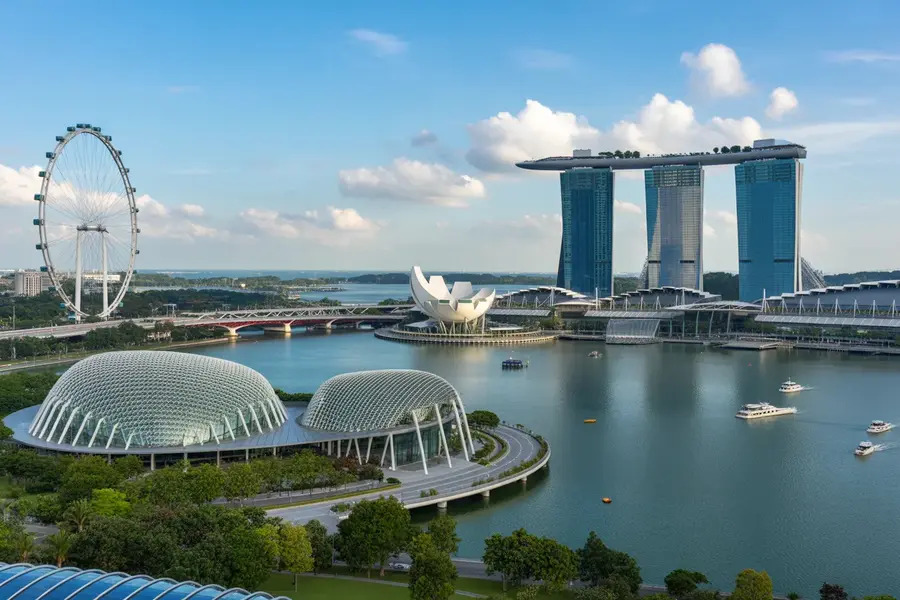
Read moreDetailsALTOUR Expands into Thailand, Strengthening Corporate Travel Network Across Southeast Asia BANGKOK, THAILAND (25 March, 2026) – ALTOUR, a leading...
Read moreDetails


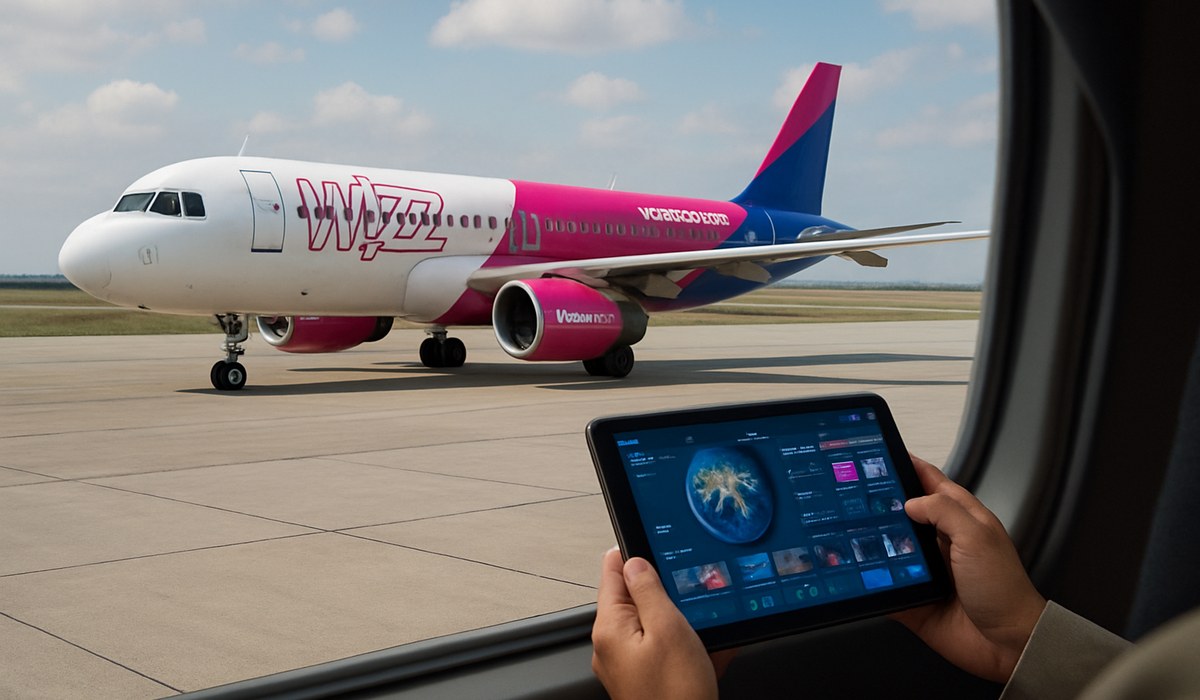
Comprehensive Summarization: Wizz Air, a low-cost carrier based in Budapest, Hungary, has announced a significant upgrade to its digital cabin...
Read moreDetails