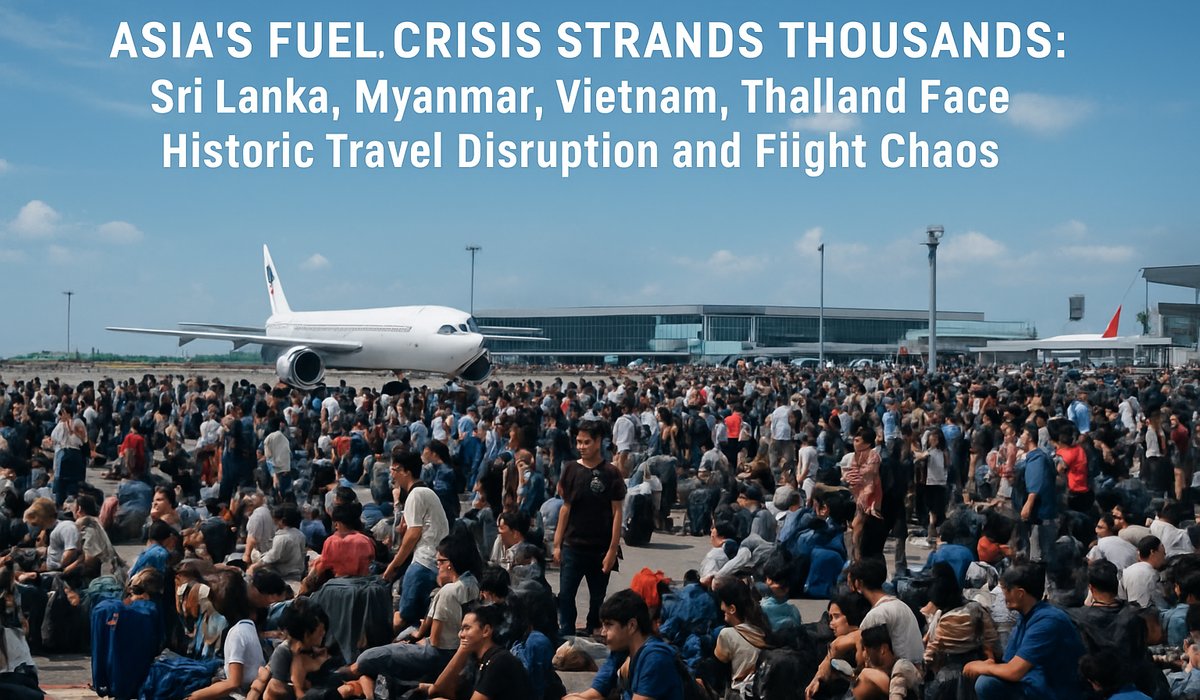
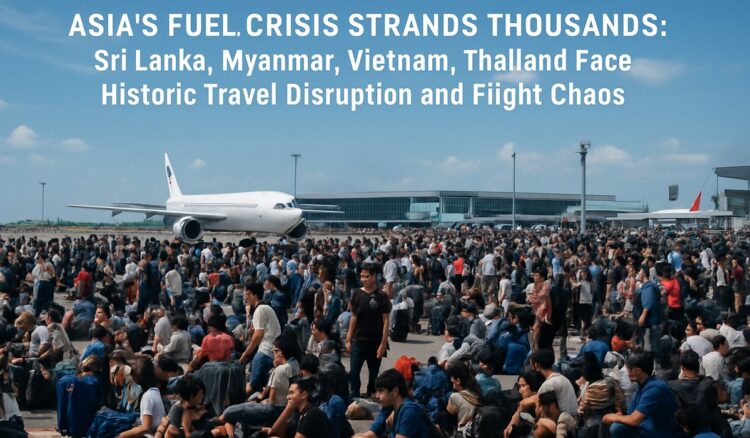
The article discusses the unprecedented fuel shortage crisis triggered by the 2026 Hormuz Blockade, which has significantly impacted Asia’s tourism infrastructure. The escalating tensions in the Middle East have led to a cascading collapse in aviation and ground transportation across several countries, including Sri Lanka, Myanmar, Vietnam, Laos, South Korea, and Thailand. This situation has resulted in thousands of flights being canceled or delayed indefinitely, and fuel prices have skyrocketed beyond sustainable levels. The immediate and severe impact on travelers is evident, with the crisis evolving from a regional energy issue to a full-scale travel nightmare. The article highlights the urgent need for solutions to mitigate the travel disruptions caused by this crisis.
Key Points:
The 2026 Hormuz Blockade has caused a fuel shortage crisis in Asia, severely impacting the tourism infrastructure.
Tensions in the Middle East have led to a collapse in aviation and ground transportation across multiple countries, resulting in numerous flight cancellations and delays.
Fuel prices have skyrocketed to unsustainable levels, exacerbating the crisis.
The impact on travelers is immediate and worsening, affecting destinations from Colombo to Bangkok, Yangon to Ho Chi Minh City.
The crisis represents a full-scale travel nightmare, threatening the stability of the region’s tourism industry.
Actionable Takeaways:
Implement Alternative Fuel Solutions: Travel companies and governments should explore and invest in alternative fuel sources, such as electric or hydrogen-powered vehicles, to mitigate the impact of fuel shortages on transportation and tourism. This action is crucial as the crisis highlights the vulnerability of traditional fuel-dependent transportation systems.
Enhance Digital Travel Solutions: The crisis underscores the importance of robust digital travel solutions, including real-time flight tracking, flexible booking options, and seamless payment systems. Travelers and businesses should prioritize platforms that offer these features to minimize disruptions and ensure continuity in travel operations.
Strengthen Regional Collaboration: Countries affected by the Hormuz Blockade should collaborate to develop contingency plans and share resources to manage the crisis effectively. This includes coordinating fuel supply chains, establishing emergency transportation routes, and supporting affected tourism sectors. Regional cooperation is essential to stabilize the travel industry and support affected economies.
Contextual Insights:
The Hormuz Blockade-induced fuel shortage crisis is a stark reminder of the interconnectedness of global supply chains and the vulnerability of the travel industry to geopolitical events. The article reflects current industry trends, such as the increasing reliance on fossil fuels and the growing need for sustainable and resilient travel solutions. Thought leaders emphasize the importance of digital transformation in travel, highlighting innovations in fintech and travel tech that can help mitigate the impact of such crises. As the travel industry continues to evolve, the ability to adapt to unforeseen challenges, such as geopolitical tensions and natural disasters, will be critical for maintaining resilience and ensuring long-term sustainability.