





No products in the cart.
- Latest
- Trending

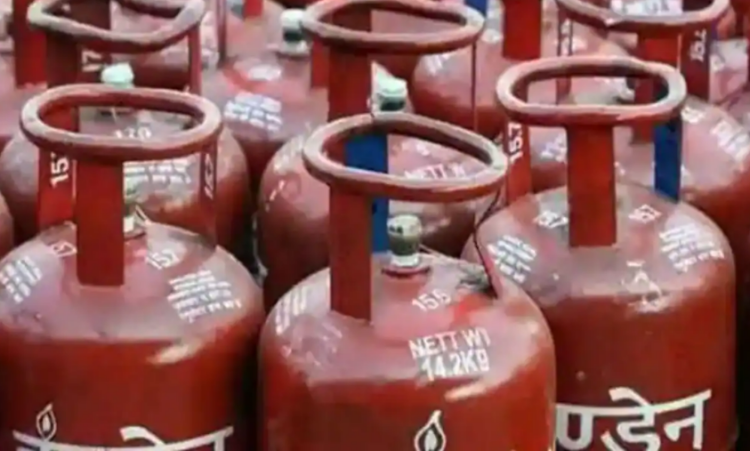
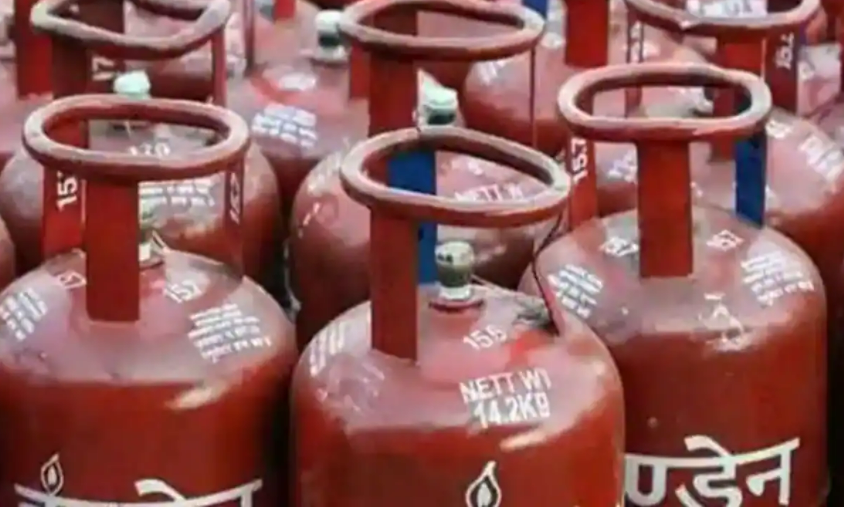
LPG crunch forces Meghalaya hotels to cut services & menu, tourism sector hit
Comprehensive Summarization:
The article from The Assam Tribune reports that the hospitality sector in Shillong and Sohra, Meghalaya, is facing significant disruptions due to a commercial LPG supply crunch. This shortage has forced hotels and restaurants to cut services and alter their menus, as they are forced to opt for alternative cooking methods. The situation highlights the vulnerability of the tourism sector to supply chain issues, particularly in regions heavily reliant on commercial LPG for their operations.
Key Points:
Actionable Takeaways:
Contextual Insights:
The LPG supply crunch in Meghalaya’s hospitality sector underscores the broader challenges faced by the travel industry in regions with volatile supply chains. The reliance on commercial LPG for cooking and heating in many hospitality establishments makes them particularly susceptible to supply disruptions. This situation is reflective of a larger trend where the travel industry must increasingly adapt to external factors such as geopolitical tensions, natural disasters, and global supply chain issues that impact essential resources.
In the context of current industry trends, there is a growing emphasis on sustainability and resilience. The shift towards alternative cooking methods in response to LPG shortages could be indicative of a broader movement towards more sustainable and locally sourced energy solutions in the hospitality sector. This trend aligns with the increasing consumer preference for eco-friendly travel experiences and could position businesses that adopt such practices as leaders in sustainable hospitality.
Moreover, the article highlights the importance of robust supply chain management in the travel industry. As businesses become more reliant on global supply chains, the ability to anticipate and mitigate disruptions will be crucial. This includes not only logistical considerations but also strategic partnerships with suppliers to ensure a steady flow of critical inputs.
In conclusion, the LPG supply crunch in Meghalaya’s hospitality sector serves as a cautionary tale for the travel industry, emphasizing the need for adaptability, sustainability, and resilient supply chain management. By embracing these principles, businesses can navigate current challenges and position themselves for long-term success in an increasingly unpredictable global landscape.
Read the Complete Article.
Get curated travel AI insights — choose the newsletters that matter to you.
This spot is reserved for brands with a compelling story for the travel trade. They use this space to cut...
Read moreDetailsALTOUR Expands into Thailand, Strengthening Corporate Travel Network Across Southeast Asia BANGKOK, THAILAND (25 March, 2026) – ALTOUR, a leading...
Read moreDetails


Comprehensive Summarization: TravelBox AI, developed by CodeGen International, is revolutionizing the travel industry with its AI-powered platform. This innovative solution...
Read moreDetails