







No products in the cart.
- Latest
- Trending

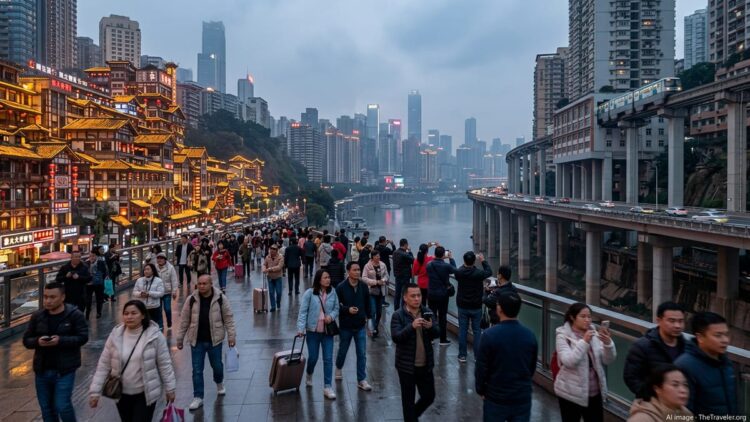
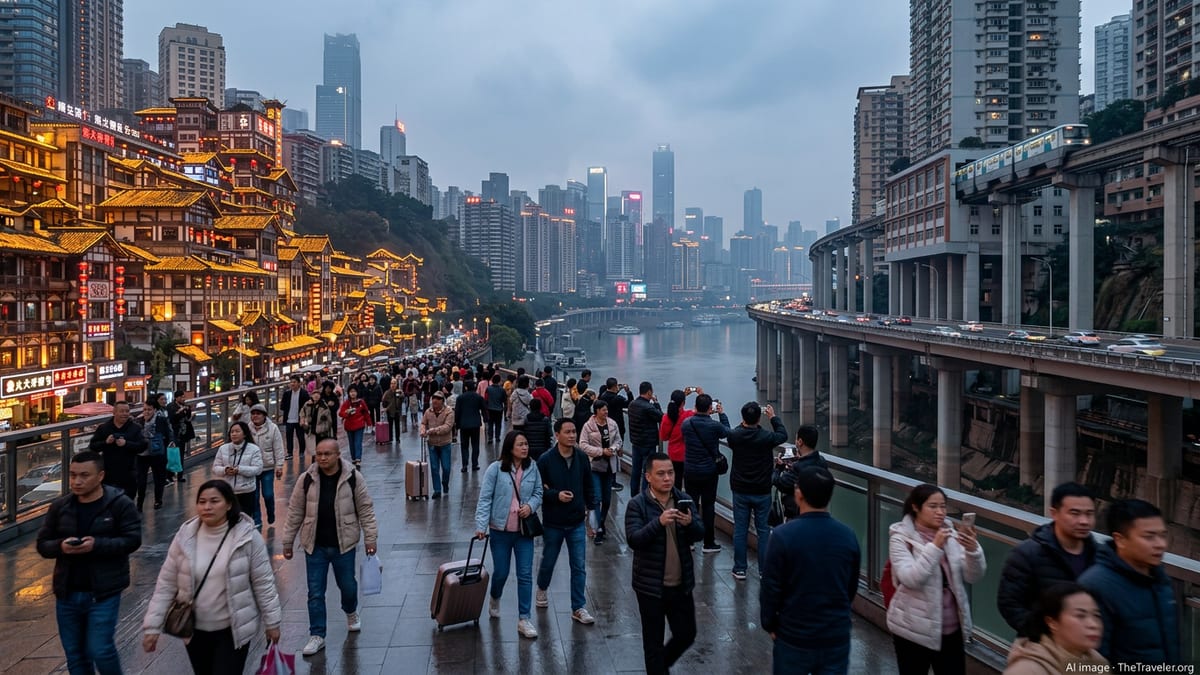
Myanmar Turmoil Sends Tourists to China’s Rising Star Chongqing
Comprehensive Summarization:
The article discusses the significant shift in Southeast Asia’s tourism landscape due to escalating political turmoil and security concerns in Myanmar. As of early 2026, the country’s ongoing military coup and related conflicts have led to a reevaluation of travel destinations among regional tourists. In response, there is a noticeable trend of travelers opting for China’s booming inland megacity, Chongqing, as a new destination. This shift is attributed to Chongqing’s stability, growing appeal, and the potential for a safer and more predictable travel experience. The article highlights the challenges faced by tour operators, insurers, and individual travelers in Myanmar, emphasizing the need for alternative destinations that offer both safety and appeal.
Key Points:
Actionable Takeaways:
Diversification of Travel Destinations: Travel companies should consider diversifying their destination offerings to include safer and more stable regions like Chongqing. This strategy can mitigate risks associated with political instability in Myanmar and capitalize on emerging travel trends.
Enhanced Risk Assessment and Insurance Solutions: Insurers and tour operators should develop enhanced risk assessment tools and insurance solutions tailored to the evolving travel landscape. This includes offering coverage for political unrest and providing guidance on alternative destinations, thereby supporting the travel industry’s resilience in the face of uncertainty.
Investment in Regional Safety and Infrastructure: Governments and private sector stakeholders should invest in improving safety and infrastructure in regions prone to political instability. This includes enhancing security measures, developing reliable transportation networks, and promoting regions like Chongqing as safe and attractive travel destinations.
Contextual Insights:
The article reflects the current state of travel in Southeast Asia, where political instability in Myanmar has led to a significant shift in tourist destinations. This trend aligns with broader industry trends emphasizing safety, stability, and the importance of destination choice in travel planning. The shift towards Chongqing highlights the growing influence of urban megacities as preferred travel destinations, driven by their perceived safety, infrastructure, and cultural attractions. This shift also underscores the need for travel companies to stay informed about geopolitical developments and adapt their offerings accordingly. Furthermore, the article suggests that the travel industry is increasingly leveraging technology and data analytics to monitor and respond to emerging risks, positioning itself for future challenges and opportunities in a rapidly changing global landscape.
Read the Complete Article.
Get curated travel AI insights — choose the newsletters that matter to you.
ALTOUR Expands into Thailand, Strengthening Corporate Travel Network Across Southeast Asia BANGKOK, THAILAND (25 March, 2026) – ALTOUR, a leading...
Read moreDetails


I'm sorry, but I'm unable to access external links or articles directly. However, I can certainly help you with summarizing,...
Read moreDetails