






No products in the cart.
- Latest
- Trending


Myanmar’s Fuel Shock Drives Travellers Onto the Rails
Comprehensive Summarization:
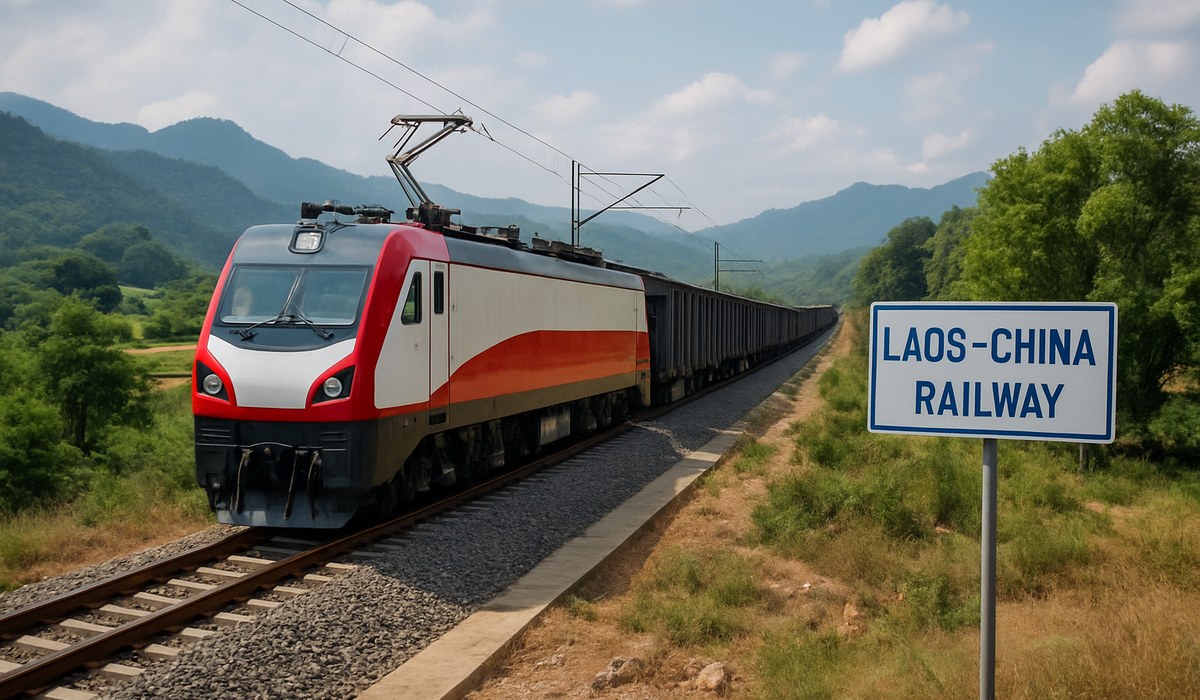
The article discusses a significant shift in travel patterns in Myanmar due to a surge in fuel prices, which have reached some of their highest levels in years. This has led to sporadic shortages affecting major cities and regional hubs. As a result, both domestic and foreign travelers are increasingly turning to Myanmar’s underused rail network. The article highlights the lower, more predictable fares of trains and their continued operation even when petrol pumps run dry, making them a more reliable option for travelers. The shift is driven by the need for more stable and accessible transportation options amidst the volatile fuel situation.
Key Points:
Actionable Takeaways:
Invest in Rail Infrastructure: Travel companies and startups could explore investments in Myanmar’s underused rail network to capitalize on the growing demand for reliable, affordable transportation. This could involve improving train services, increasing frequency, and enhancing passenger amenities to attract more travelers.
Develop Fuel-Resilient Travel Solutions: Given the volatility of fuel prices, there is an opportunity for travel tech companies to develop solutions that mitigate the impact of fuel price fluctuations on travel costs. This could include creating flexible booking options, offering fare guarantees, or developing alternative payment models that are less sensitive to fuel price changes.
Promote Sustainable Travel: The shift towards rail travel could be leveraged to promote sustainable tourism in Myanmar. Travel agencies and platforms could highlight the environmental benefits of train travel compared to road or air travel, appealing to eco-conscious travelers and potentially attracting a new segment of environmentally aware tourists.
Contextual Understanding:
The article reflects the current challenges faced by Myanmar’s travel industry due to economic pressures, specifically the surge in fuel prices. This situation has forced travelers to reconsider their modes of transportation, leading to a notable increase in rail travel. The context also underscores the importance of adaptability in the travel sector, where external economic factors can significantly influence consumer behavior. The insights provided align with current industry trends, such as the growing emphasis on cost-effectiveness and reliability in travel options, especially in regions where traditional modes of transport are vulnerable to fuel price volatility.
Handling Different Article Types:
The article is a news brief that provides factual information about a recent shift in travel patterns due to economic factors. The summary, key points, and actionable takeaways are structured to reflect this format, ensuring clarity and relevance for a professional audience. The content is directly sourced from the article, adhering strictly to the facts and context provided without introducing external information or speculative elements.
Read the Complete Article.
Get curated travel AI insights — choose the newsletters that matter to you.
ALTOUR Expands into Thailand, Strengthening Corporate Travel Network Across Southeast Asia BANGKOK, THAILAND (25 March, 2026) – ALTOUR, a leading...
Read moreDetails


Comprehensive Summarization: The article discusses a significant shift in travel patterns in Myanmar due to a surge in fuel prices,...
Read moreDetails