







No products in the cart.
- Latest
- Trending

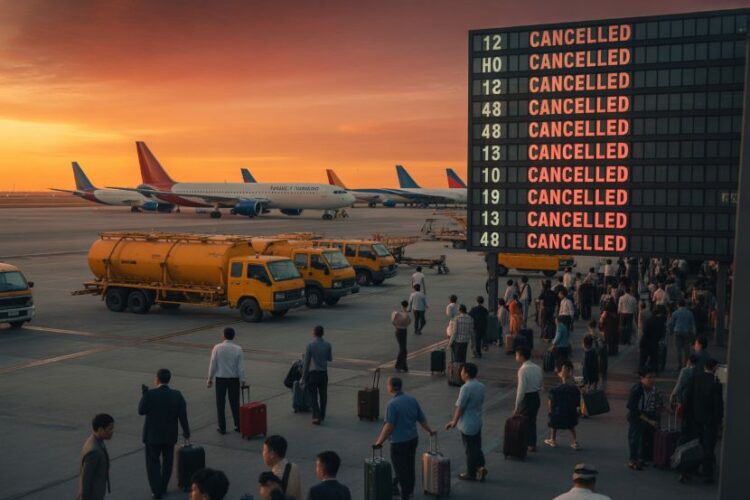
Vietnam, Philippines, and Myanmar Face Aviation Turbulence as Middle East Fuel Crisis Disrupts Trave...
Comprehensive Summarization:
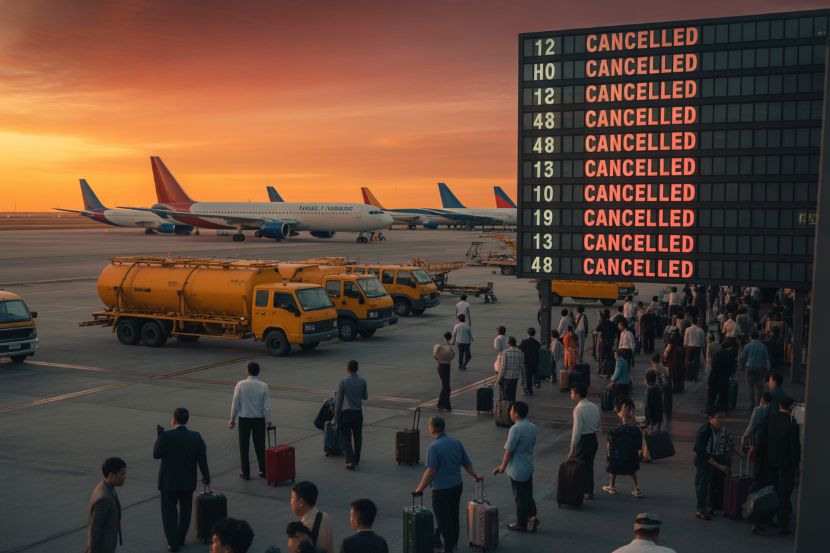
The article highlights a growing aviation turbulence affecting Vietnam, the Philippines, and Myanmar due to a jet fuel shortage linked to the Middle East conflict. Vietnam’s national carrier is reducing services starting April, impacting connectivity between key cities like Hanoi and Ho Chi Minh City. The ripple effects extend beyond Vietnam, potentially disrupting travel plans across the region. The article underscores the vulnerability of Southeast Asia’s aviation sector to geopolitical events and supply chain disruptions, emphasizing the need for travelers to prepare for potential travel disruptions.
Key Points:
Actionable Takeaways:
Prepare for Travel Disruptions: Travelers should prepare for potential travel disruptions in Vietnam, the Philippines, and Myanmar due to the ongoing jet fuel shortage. This includes checking flight schedules regularly and considering alternative routes or modes of transportation.
Monitor Geopolitical Developments: The aviation sector’s vulnerability to geopolitical events underscores the importance of monitoring developments in the Middle East. Airlines and travel agencies should stay informed about fuel supply situations and adjust their operations accordingly to mitigate risks.
Diversify Travel Options: Given the potential for service reductions, travelers should diversify their travel options. This could involve booking flights with multiple carriers, considering alternative destinations, or exploring travel insurance options that cover disruptions due to fuel shortages or geopolitical events.
Contextual Insights:
The article reflects the current state of Southeast Asia’s aviation sector, which is particularly sensitive to geopolitical events and supply chain disruptions. The jet fuel shortage, triggered by the Middle East conflict, highlights the interconnectedness of global supply chains and the potential for rapid changes in travel conditions. This situation underscores the need for the travel industry to adopt more resilient strategies, such as diversifying supply sources and implementing flexible booking policies. Furthermore, the article aligns with broader industry trends towards greater transparency and adaptability in travel planning, as highlighted by thought leaders in travel tech and fintech. These trends suggest a shift towards more agile and responsive travel solutions, capable of navigating uncertainties and minimizing the impact of external disruptions on travelers.
Read the Complete Article.
Get curated travel AI insights — choose the newsletters that matter to you.
This spot is reserved for brands with a compelling story for the travel trade. They use this space to cut...
Read moreDetailsALTOUR Expands into Thailand, Strengthening Corporate Travel Network Across Southeast Asia BANGKOK, THAILAND (25 March, 2026) – ALTOUR, a leading...
Read moreDetails


Comprehensive Summarization: Singapore is poised to lead the global hospitality revolution, aligning with nations like China, Indonesia, and Australia in...
Read moreDetails