








No products in the cart.
- Latest
- Trending

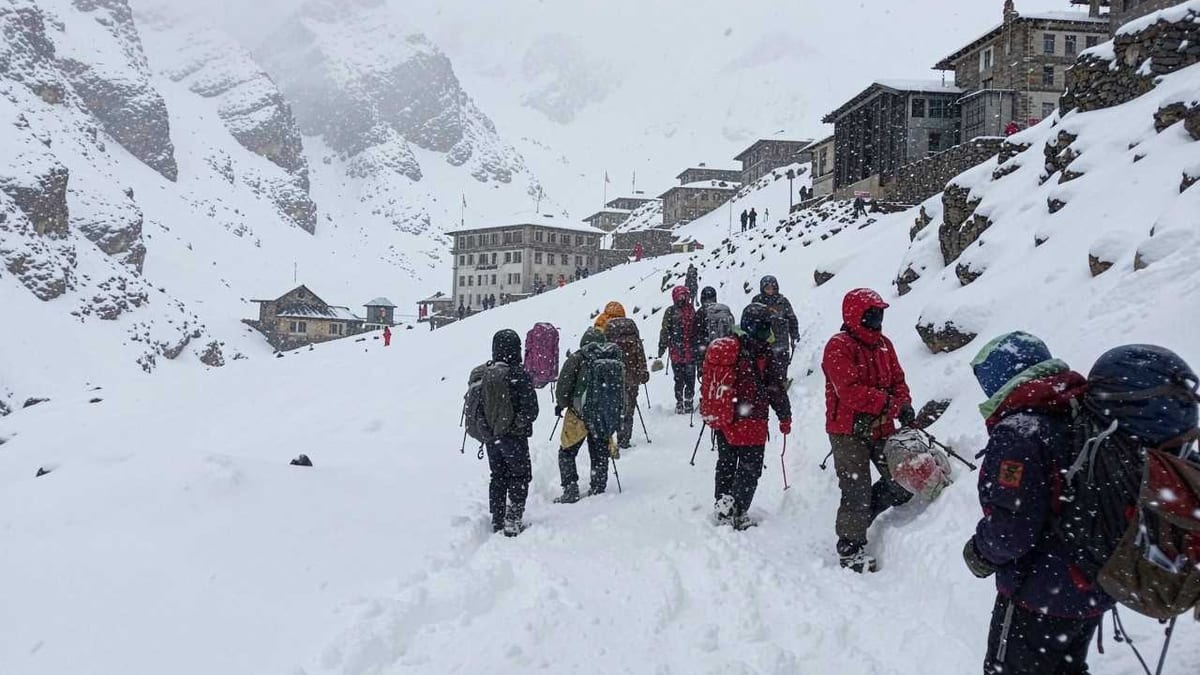
Extreme Snow in Eastern Nepal Hampers Flights and Trekking
Comprehensive Summarization:
The article highlights the significant impact of unusually heavy late-season snowfall in Nepal’s eastern Himalaya, which has disrupted domestic flights, isolated remote mountain districts, and raised travel concerns for visitors from the United States, India, the United Kingdom, and China. This disruption occurs at the peak of the spring trekking season, underscoring the vulnerability of travel in the region to extreme weather conditions. The article emphasizes the need for heightened awareness and preparedness among travelers and stakeholders in the travel industry, particularly in light of the spring trekking season’s popularity.
Key Points:
Actionable Takeaways:
Enhanced Weather Monitoring and Alerts: Travel agencies and airlines should invest in advanced weather monitoring systems to provide real-time updates to travelers. This proactive approach can help mitigate the impact of sudden weather disruptions, particularly during peak travel seasons like spring trekking.
Flexible Travel Policies: Travel companies should develop flexible cancellation and rescheduling policies to accommodate travelers affected by weather-related disruptions. This can enhance customer satisfaction and loyalty, especially during unpredictable seasons.
Investment in Alternative Transportation: Given the disruption of domestic flights, there is an opportunity for travel companies to invest in alternative transportation options such as ground transportation or helicopter services. This can ensure that travelers can still access remote areas despite flight disruptions.
Contextual Understanding:
The article is set against the backdrop of the spring trekking season, a period when Nepal sees a surge in international tourists seeking adventure and natural beauty. The heavy snowfall, driven by a western disturbance, highlights the region’s vulnerability to extreme weather events, which are becoming more frequent due to climate change. This context underscores the importance of adaptive strategies in the travel industry, particularly in regions prone to such weather anomalies. The article also touches on the broader implications for travel tech, as companies seek innovative solutions to manage and mitigate the impacts of such disruptions.
Handling Different Article Types:
The article is a news brief, providing factual information about a current event impacting the travel industry. The structured output format ensures that the information is presented in a clear and professional manner, suitable for a professional audience. The focus on actionable insights and contextual understanding aligns with the needs of a professional readership interested in the latest trends and developments in travel technology and logistics.
Read the Complete Article.
Get curated travel AI insights — choose the newsletters that matter to you.
ALTOUR Expands into Thailand, Strengthening Corporate Travel Network Across Southeast Asia BANGKOK, THAILAND (25 March, 2026) – ALTOUR, a leading...
Read moreDetails


Comprehensive Summarization: The article highlights the significant impact of unusually heavy late-season snowfall in Nepal’s eastern Himalaya, which has disrupted...
Read moreDetails