






No products in the cart.
- Latest
- Trending

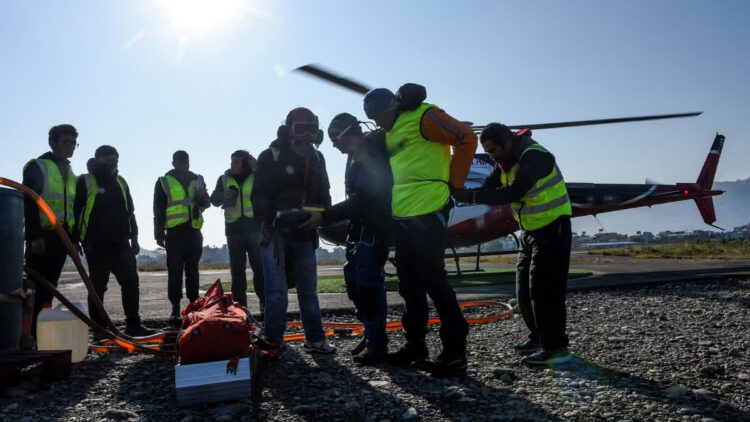
Nepal Charges 32 In Fake Rescue Scam Involving 'Poisoning' Of Everest Trekkers
Comprehensive Summarization:
The Central Investigation Bureau (CIB) of Nepal has charged nearly 32 individuals in a $20 million insurance scam involving fake helicopter rescues of trekkers, particularly in the Everest region. This scam has raised concerns about the integrity of Nepal’s tourism sector, a crucial economic driver for the Himalayan nation. The CIB investigation revealed that some operators orchestrated fake rescues to claim insurance money, with some guides allegedly poisoning trekkers to further their fraudulent schemes. Nepal, a popular destination for trekking and exploring high-altitude trails, welcomes thousands of tourists annually, making this scam a significant blow to the sector. The incident underscores the need for enhanced vigilance and regulatory measures to protect both tourists and the tourism industry.
Key Points:
Actionable Takeaways:
Enhanced Regulatory Oversight: Implement stricter regulations and monitoring systems to detect and prevent fraudulent activities in the tourism sector, particularly in high-risk areas like Everest. This could involve increased inspections of tour operators, insurance companies, and guide licenses.
Tourist Education and Awareness: Educate tourists about the risks of fake rescues and the importance of choosing reputable tour operators. Providing clear guidelines and certifications for guides and operators can help mitigate the risk of falling victim to scams.
Technological Integration: Leverage technology such as blockchain for insurance claims verification and GPS tracking for rescue operations to ensure transparency and accountability. This can help in quickly identifying and addressing fraudulent claims, thereby protecting both tourists and the industry.
Contextual Insights:
The scam reflects broader concerns within the travel industry regarding the prevalence of fraudulent activities, especially in regions with high tourist traffic and complex rescue operations. The incident underscores the importance of technological advancements in ensuring the safety and integrity of travel services. As the travel industry continues to evolve, integrating innovative solutions like blockchain and AI-driven monitoring systems can enhance trust and security for both tourists and stakeholders. Furthermore, the incident highlights the need for continuous education and awareness campaigns to empower tourists with the knowledge to make informed decisions, thereby reducing their vulnerability to such scams.
Read the Complete Article.
Get curated travel AI insights — choose the newsletters that matter to you.
ALTOUR Expands into Thailand, Strengthening Corporate Travel Network Across Southeast Asia BANGKOK, THAILAND (25 March, 2026) – ALTOUR, a leading...
Read moreDetails


Comprehensive Summarization: United Airlines experienced significant travel disruptions across the United States, with 44 flights canceled and 835 delayed. This...
Read moreDetails