











No products in the cart.
- Latest
- Trending

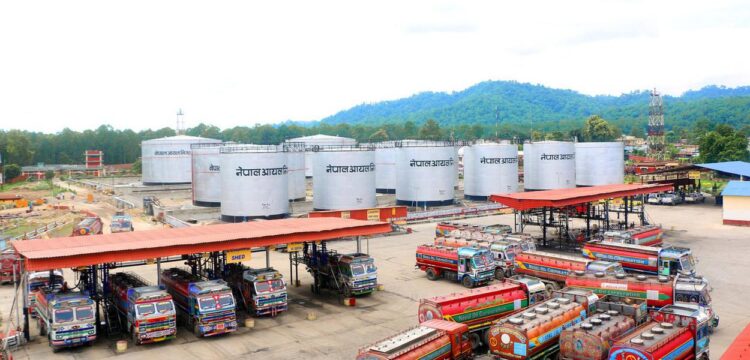
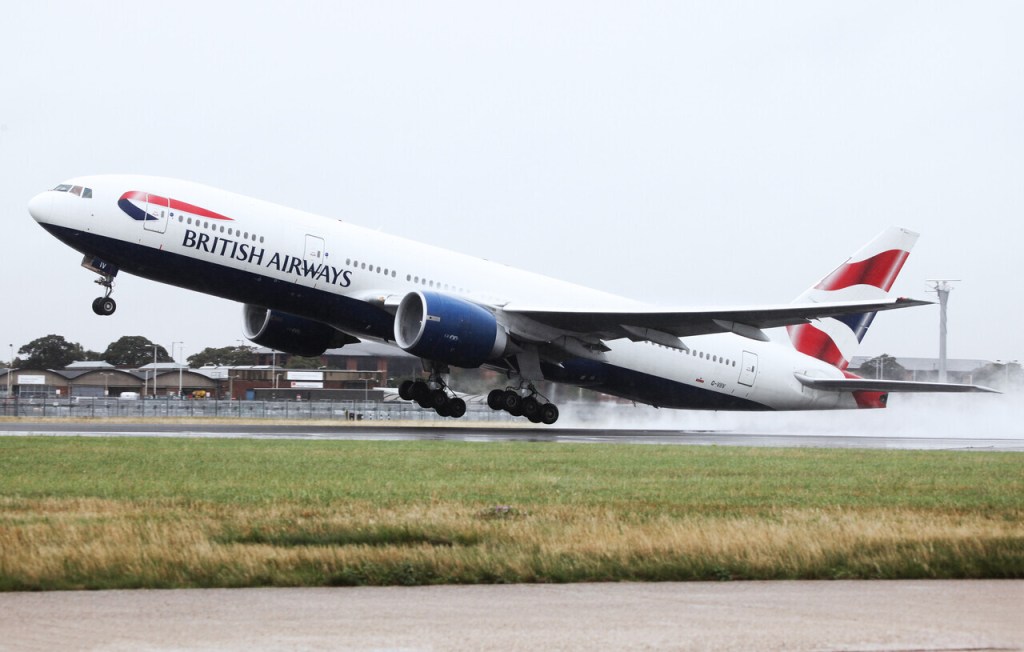
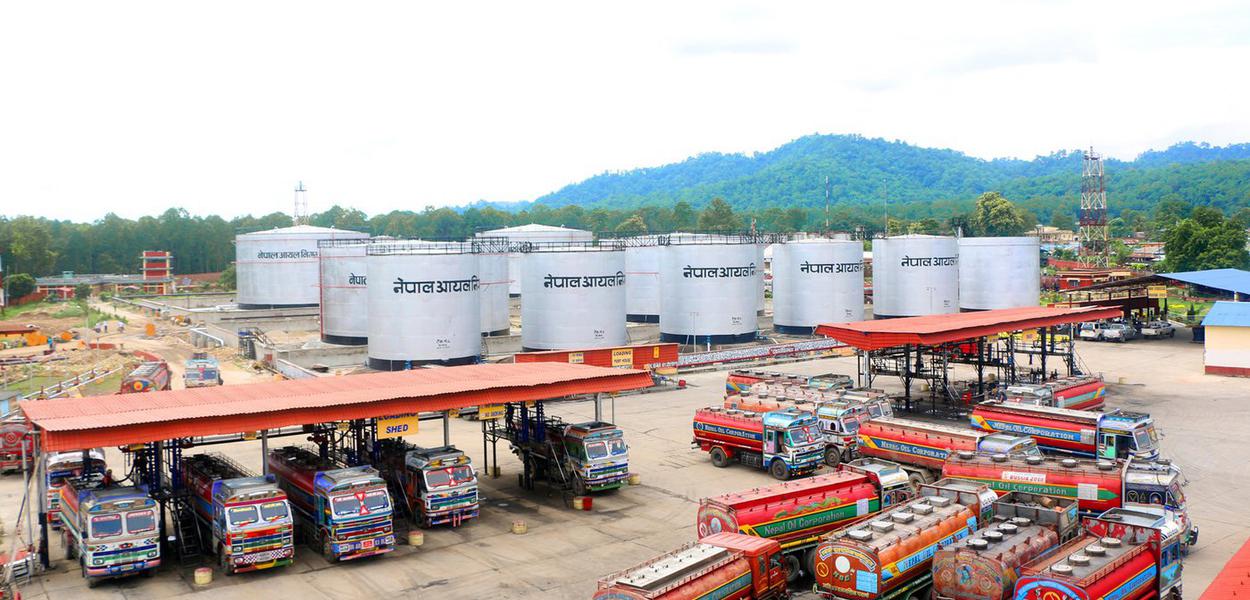
Fuel price shock hits Nepal aviation
Comprehensive Summarization:
The article reports that Nepal has nearly doubled the price of aviation fuel in response to the Israel-American war on Iran, impacting the spring peak tourism season. This price hike, which increased jet fuel costs from $1,207 to $2,237 per ton, also led to increases in petrol, diesel, and cooking gas prices. The move aims to cushion the impact on the general public. The article highlights that aviation turbine fuel (ATF) in Kathmandu, already among the highest in Asia, will particularly affect long-haul flights to Istanbul, Seoul, and Narita, where airlines refuel. The article also mentions that domestic airlines, previously paying Rs127 per litre, will now face increased operational costs.
Key Points:
Actionable Takeaways:
Impact on Tourism and Airlines: The significant increase in aviation fuel prices will likely lead to higher ticket prices for travelers, potentially reducing tourism demand, especially for long-haul flights to Kathmandu. Airlines may need to reassess their pricing strategies and operational costs to remain competitive.
Market Adjustment: The hike in fuel prices underscores the vulnerability of the travel industry to geopolitical events. Travel companies and airlines should consider hedging strategies or diversifying routes to mitigate the impact of fuel price volatility.
Innovation in Travel Tech: The situation may spur innovation in travel technology, particularly in fuel efficiency and alternative energy sources for aviation. Startups focusing on sustainable aviation fuels or technologies that reduce fuel consumption could see increased interest and investment.
Contextual Insights:
The article reflects the interconnected nature of global events and the travel industry. The geopolitical tensions between Israel, the United States, and Iran have direct economic repercussions, particularly in countries like Nepal that are heavily reliant on tourism. This event highlights the importance of geopolitical risk management in travel planning and investment. Furthermore, it underscores the need for travel companies to stay agile and responsive to sudden changes in fuel prices and other external factors. The article also points to the potential for innovation in travel technology, particularly in areas that can reduce fuel consumption and operational costs, aligning with broader industry trends towards sustainability and efficiency.
Read the Complete Article.
Get curated travel AI insights — choose the newsletters that matter to you.
ALTOUR Expands into Thailand, Strengthening Corporate Travel Network Across Southeast Asia BANGKOK, THAILAND (25 March, 2026) – ALTOUR, a leading...
Read moreDetails


Singapore — April 14, 2026 In short: Kirk Westaway and Stefan Heilemann collaborate on a one-day dining event at JAAN...
Read moreDetails