





















Travel Capitalist Ventures Expands Check Size to $10 Million to Deepen Emerging Market Conviction
Boutique Travel VC raises investment cap from $1.5M to $10M to lead rounds and support portfolio companies through growth Travel...
Read moreDetails
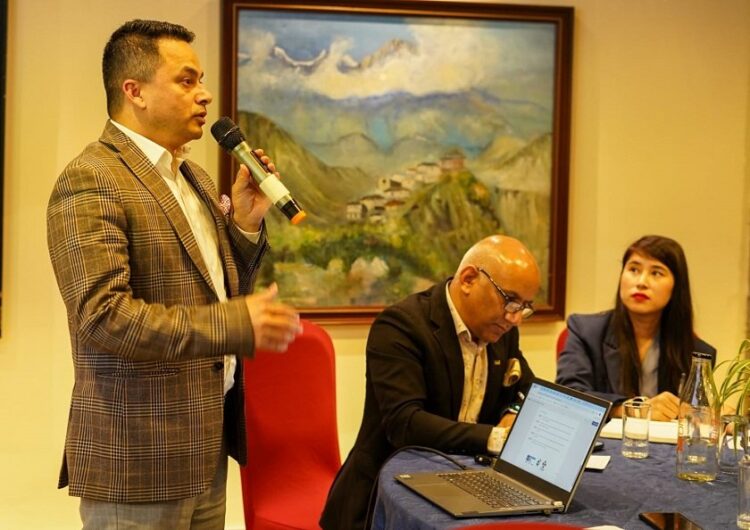
Nepal Tourism Board Discusses Strategies to Mitigate Impact of Middle East Crisis | Ratopati
Comprehensive Summarization:
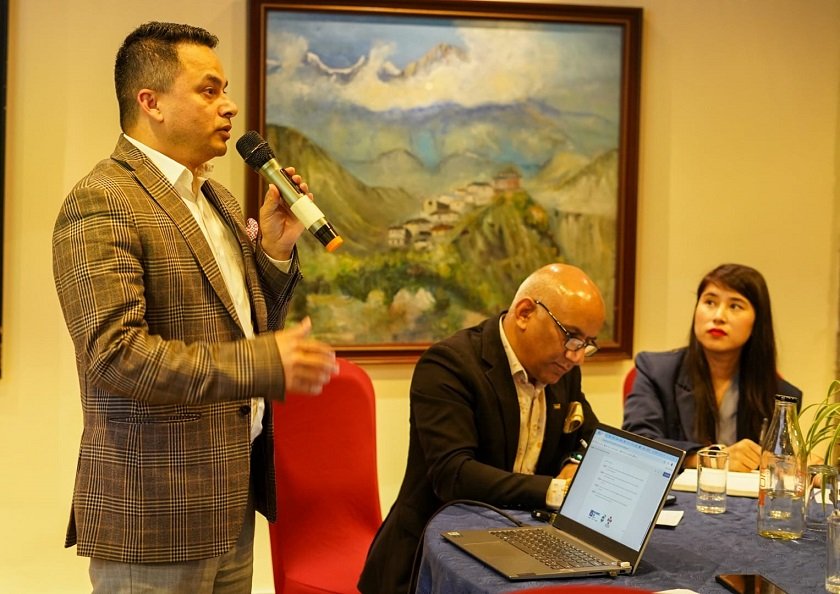
The Nepal Tourism Board convened a discussion titled “Middle East Crisis and its Impact on Nepali Tourism” to explore strategies to counter the effects of the escalating crisis in the Middle East on Nepal’s key source markets, particularly air connectivity and tourist arrivals. Stakeholders at the interaction program emphasized viewing the crisis not just as a challenge but also as an opportunity. Mukunda Prasad Niraula, Secretary at the Ministry of Culture, Tourism and Civil Aviation, highlighted that the Middle East is a primary tourism source market for Nepal and a crucial gateway for European and American tourists. The crisis is expected to impact air connectivity, which is vital for tourists from these regions. The discussion reflects the board’s proactive approach to mitigating potential negative impacts on Nepal’s tourism industry amidst global uncertainties.
Key Points:
Actionable Takeaways:
Diversify Source Markets: To mitigate the impact of the Middle East crisis, Nepal should actively seek to diversify its source markets. This strategy involves promoting Nepal as a tourist destination to other regions, such as Southeast Asia, Africa, and South America, which are less affected by the current Middle Eastern tensions. This diversification can help maintain stable tourist arrivals and reduce dependency on the Middle East market.
Enhance Digital Marketing and Online Presence: In light of the crisis affecting air connectivity, Nepal can leverage digital marketing strategies to attract tourists. This includes enhancing online travel agency (OTA) listings, improving social media engagement, and utilizing virtual tours and travel blogs to showcase Nepal’s attractions. Strengthening the online presence can help maintain visibility and appeal to potential tourists, especially those who might be reconsidering travel plans due to the crisis.
Invest in Alternative Transportation Solutions: Given the potential disruption to air travel from the Middle East, Nepal can invest in alternative transportation solutions. This could involve improving road and rail infrastructure to make these modes of transport more attractive and reliable for tourists. Collaborating with neighboring countries to enhance regional connectivity can also provide viable alternatives for tourists seeking to reach Nepal.
Contextual Insights:
The article’s context is deeply rooted in the current global travel landscape, where geopolitical tensions can significantly impact tourism. The Middle East crisis serves as a stark reminder of the vulnerability of Nepal’s tourism sector to external factors. Historically, Nepal has faced similar challenges, such as the impact of the 9/11 attacks and the Arab Spring, which temporarily reduced tourist arrivals from the Middle East. However, Nepal has shown resilience by diversifying its tourist markets and investing in marketing strategies to attract international visitors.
In recent years, the travel industry has witnessed a shift towards digitalization, with online platforms playing a crucial role in travel planning and bookings. Thought leaders emphasize the importance of leveraging digital tools to enhance customer engagement and provide immersive experiences. For Nepal, this means not only improving its digital infrastructure but also adopting innovative marketing techniques to reach a global audience. The article aligns with current industry trends by highlighting the need for strategic adaptability and forward-thinking approaches to navigate unforeseen challenges in the travel sector.
Handling Different Article Types:
The provided article is a news brief, offering factual information on a specific discussion within the Nepal Tourism Board. The summary, key points, and actionable takeaways are structured to reflect the concise nature of news briefs, ensuring clarity and relevance for a professional audience. The context provided integrates recent events and market conditions, offering a forward-looking perspective on how Nepal can adapt to the challenges posed by the Middle East crisis.
Read the Complete Article.
Boutique Travel VC raises investment cap from $1.5M to $10M to lead rounds and support portfolio companies through growth Travel...
Read moreDetails



Comprehensive Summarization: The Nepal Tourism Board convened a discussion titled "Middle East Crisis and its Impact on Nepali Tourism" to...
Read moreDetails
