




No products in the cart.
- Latest
- Trending

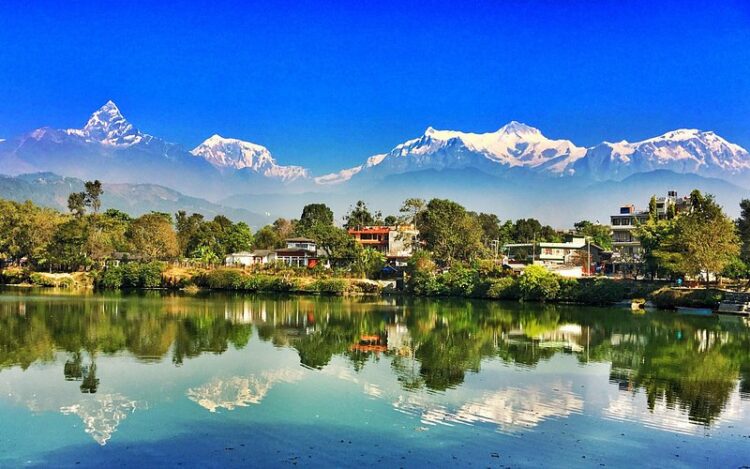
A beacon of hope for Nepal
Comprehensive Summarization:
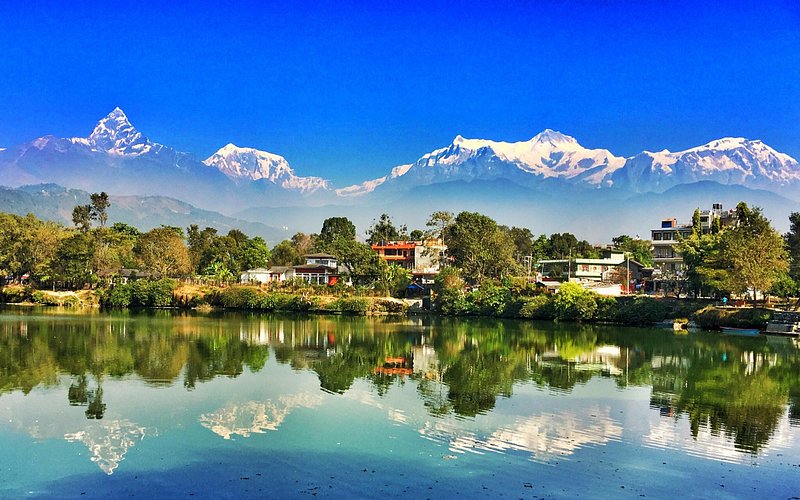
In mid-February 2025, Pokhara, Nepal’s tourism capital, launched the ‘Pokhara Visit Year 2025’ initiative with the ambitious goal of attracting 2 million tourists to the country in 2025. Initially, Pokhara aimed to draw in 1.5 million tourists alone. Recent estimates indicate that approximately 40% of tourists visiting Nepal also visit Pokhara, and the city is striving to increase this figure to 60% by 2025. To achieve this goal, Pokhara is developing various tourism packages, with a particular focus on attracting Indian tourists. The article also touches on the latest travel trends and insights from industry thought leaders, highlighting the evolving landscape of the travel sector.
Key Points:
Actionable Takeaways:
Targeted Marketing to Indian Tourists: Given that 40% of Nepal’s tourists visit Pokhara, and the goal is to increase this to 60%, targeted marketing campaigns aimed at Indian tourists could significantly boost tourism numbers. This could involve partnerships with Indian travel agencies, promotional offers, and highlighting unique Pokhara experiences that appeal to Indian travelers.
Diversification of Tourism Packages: To achieve the ambitious target of 2 million tourists, Pokhara should diversify its tourism offerings. This could include developing niche packages such as adventure tourism, cultural tours, or wellness retreats, catering to different traveler preferences and segments. Such diversification can help attract a broader range of tourists and increase overall visitor numbers.
Leverage Digital Marketing and Travel Tech: The travel industry is increasingly leveraging digital marketing and technology to reach and engage tourists. Pokhara can benefit from adopting advanced travel tech solutions, such as AI-driven personalized travel recommendations, virtual reality tours, and seamless online booking platforms. These technologies can enhance the tourist experience, improve customer engagement, and drive higher tourist arrivals.
Contextual Insights:
The ‘Pokhara Visit Year 2025’ initiative reflects a broader trend in the travel industry towards targeted marketing and the development of niche tourism packages. As the sector becomes more competitive, cities and regions are adopting innovative strategies to differentiate themselves and attract more visitors. The focus on Indian tourists is particularly noteworthy, given the significant portion of Nepal’s tourist traffic they represent. This aligns with the growing trend of regional tourism promotion, where cities leverage their unique cultural and natural attractions to appeal to specific international markets.
Moreover, the emphasis on leveraging digital marketing and travel technology underscores the industry’s shift towards more data-driven and customer-centric approaches. As thought leaders predict, the integration of AI and virtual reality in travel experiences will continue to grow, offering new opportunities for destinations like Pokhara to enhance their appeal and operational efficiency. By staying abreast of these trends and adopting relevant technologies, Pokhara can position itself as a leading tourism destination in the coming years.
Read the Complete Article.
Get curated travel AI insights — choose the newsletters that matter to you.
ALTOUR Expands into Thailand, Strengthening Corporate Travel Network Across Southeast Asia BANGKOK, THAILAND (25 March, 2026) – ALTOUR, a leading...
Read moreDetails


Comprehensive Summarization: Korean Air (KE) is set to introduce an emergency management system starting in April, a response to rising...
Read moreDetails