









No products in the cart.
- Latest
- Trending


Comprehensive Summarization:
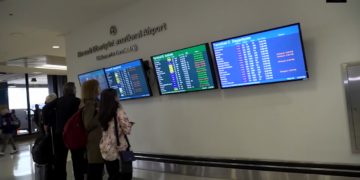
The article highlights a significant crisis in Nepal’s tourism industry in March 2026, triggered by geopolitical tensions in the Gulf region. These tensions have led to a 40% decline in inbound passenger arrivals at Tribhuvan International Airport (KTM), the nation’s primary aviation hub, during the peak trekking season. The disruption is particularly severe as March marks the beginning of Nepal’s most lucrative tourism window, when popular destinations like Annapurna and Everest Base Camp attract hikers. Airlines operating transcontinental routes through Middle Eastern airspace have had to reroute flights, which has extended journey times and increased operational costs. Tourism officials are warning that this disruption could have long-term negative impacts on the industry.
Key Points:
Actionable Takeaways:
Diversification of Travel Routes: Airlines and travel agencies should explore diversifying travel routes to mitigate the impact of geopolitical tensions. This could involve establishing new flight paths or partnering with airlines operating in different regions to ensure continuous service during crises.
Investment in Digital Travel Solutions: The crisis underscores the importance of robust digital travel solutions, including advanced booking systems, real-time flight tracking, and flexible cancellation policies. Investing in these technologies can enhance customer experience, improve operational efficiency, and provide a competitive edge in a volatile market.
Contextual Understanding:
The article is set against the backdrop of a global travel industry facing unprecedented challenges due to geopolitical tensions. The timing of the crisis in March, when Nepal’s tourism industry is at its peak, is particularly significant as it coincides with the most popular travel season for trekking and mountaineering activities. This context is crucial as it highlights the vulnerability of niche tourism markets to external shocks. The article also touches on the operational challenges faced by airlines, such as rerouting flights and increased costs, which are common issues in the travel industry during crises. By integrating insights from recent travel trends and expert opinions, such as the growing importance of digital solutions and the need for resilient business models, the article provides a forward-looking perspective on how the industry can adapt and thrive in the face of adversity.
Handling Different Article Types:
The article is a news brief that provides factual information about a specific crisis affecting Nepal’s tourism industry. It does not present an opinion piece or a feature article. Therefore, the analysis focuses strictly on the factual content provided, ensuring that the summary, key points, and actionable takeaways are grounded in the article’s context. This approach ensures that the output is accurate, relevant, and directly sourced from the article, making it suitable for a professional audience seeking reliable information on current travel industry developments.
Read the Complete Article.
Get curated travel AI insights — choose the newsletters that matter to you.
This spot is reserved for brands with a compelling story for the travel trade. They use this space to cut...
Read moreDetailsALTOUR Expands into Thailand, Strengthening Corporate Travel Network Across Southeast Asia BANGKOK, THAILAND (25 March, 2026) – ALTOUR, a leading...
Read moreDetails

RouteStack enables AI assistants to access live travel inventory, streamlining bookings for developers integrating travel functions into AI tools.
Read moreDetails