























Travel Capitalist Ventures Expands Check Size to $10 Million to Deepen Emerging Market Conviction
Boutique Travel VC raises investment cap from $1.5M to $10M to lead rounds and support portfolio companies through growth Travel...
Read moreDetails
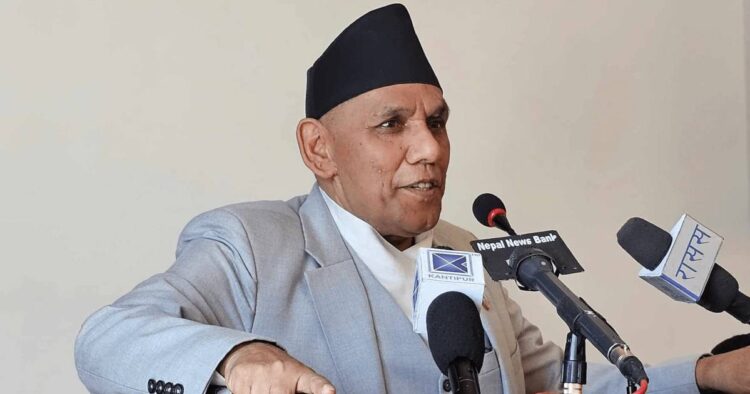
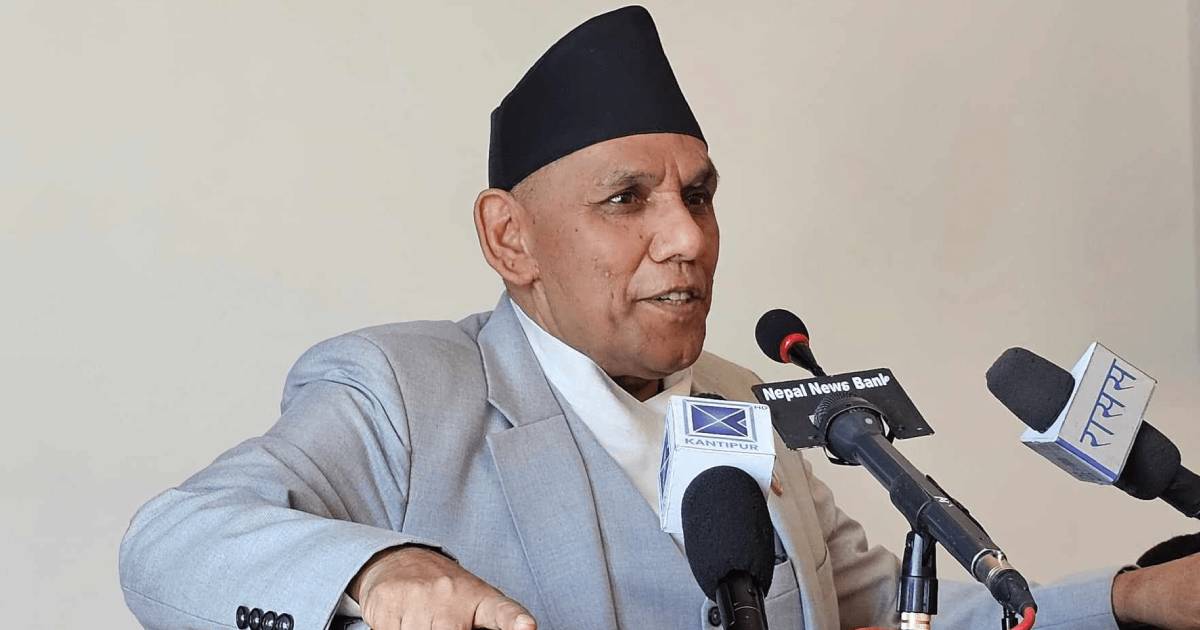
Narayan Prasad Dahal addresses rural tourism program in Kathmandu
Comprehensive Summarization:
The article highlights rural tourism as a pivotal force for economic growth and social transformation in Nepal, as emphasized by Narayan Prasad Dahal. Speaking at the 27th annual general meeting and 13th convention of the Village Tourism Promotion Forum Nepal (VITOF) in Kathmandu, Dahal stressed the need for stronger policies to unlock the sector’s potential, particularly in the face of rising global tourism competition. Dahal pointed out that rural tourism extends beyond mere income generation, significantly influencing community dynamics and cultural identity. However, he also cautioned about structural challenges in Nepal’s tourism sector due to the lack of tourism-friendly legislation, emphasizing the urgent need for long-term policy reforms to address these issues.
Key Points:
Actionable Takeaways:
Policy Reform Urgency: There is a clear call for stronger policies to support rural tourism in Nepal. This suggests that stakeholders should prioritize advocating for and implementing tourism-friendly legislation to unlock the sector’s full potential. This action is crucial for fostering economic growth and social transformation in rural areas.
Focus on Community and Cultural Identity: Recognizing that rural tourism extends beyond income generation to influence community dynamics and cultural identity, businesses and policymakers should integrate cultural preservation and community engagement into their tourism strategies. This approach can enhance the authenticity and appeal of rural tourism experiences, potentially attracting a broader range of tourists.
Contextual Insights:
The article reflects the current emphasis on sustainable and culturally rich tourism experiences, which are increasingly important in the global travel market. As competition from other destinations intensifies, countries like Nepal are seeking innovative ways to differentiate their offerings. The focus on rural tourism aligns with broader industry trends towards experiential travel, where travelers seek authentic, immersive experiences that contribute positively to local communities. This context underscores the importance of policy reforms not just for economic reasons, but also for enhancing the cultural and social fabric of rural areas. Furthermore, the article’s emphasis on the need for long-term policy reforms suggests that stakeholders should adopt a forward-looking approach, anticipating future challenges and opportunities in the evolving travel landscape.
Read the Complete Article.
Boutique Travel VC raises investment cap from $1.5M to $10M to lead rounds and support portfolio companies through growth Travel...
Read moreDetails



Comprehensive Summarization: The article reports on a significant disruption in travel operations across multiple airports in Saudi Arabia and Portugal,...
Read moreDetails
