






No products in the cart.
- Latest
- Trending

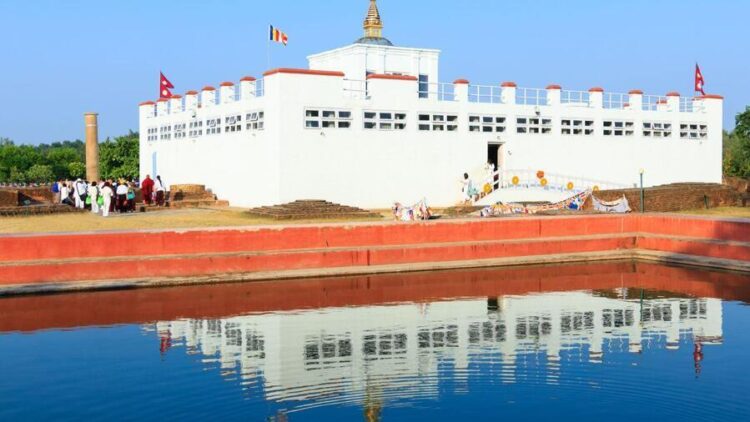
Nepal Charts New Path for Spiritual Tourism Lumbini to Become Model for Immersive Pilgrimage Experie...
Comprehensive Summarization:
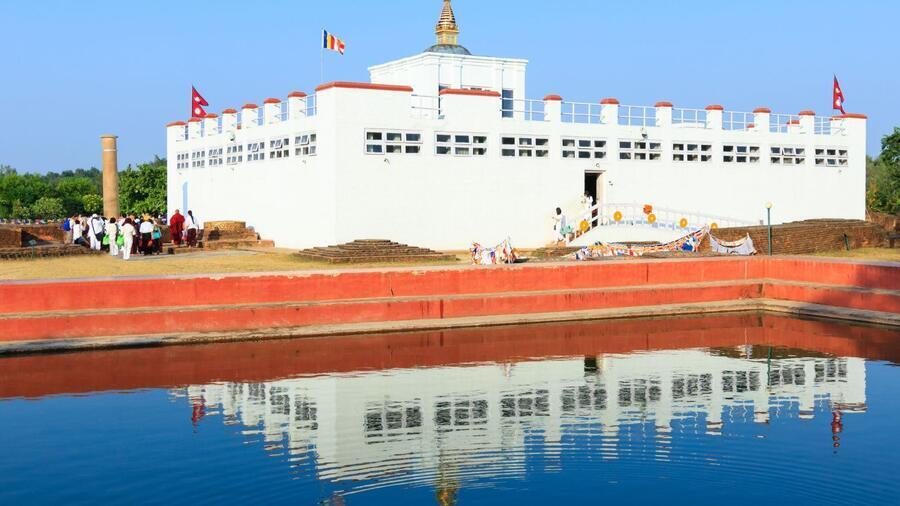
The article discusses Nepal’s strategic initiative to transform Lumbini, the birthplace of Gautama Buddha and a UNESCO World Heritage Site, into a globally recognized spiritual and cultural tourism hub. This transformation is part of the Greater Lumbini Area Development Project, which has secured an $85 million loan to address infrastructure, connectivity, and destination management challenges. The project aims to elevate Lumbini from a brief stopover for pilgrims to a destination offering immersive pilgrimage experiences, thereby driving local economic growth. Despite Lumbini’s significance as a UNESCO site, the article highlights the need for enhanced visitor management and sustainable tourism practices to fully realize its potential.
Key Points:
Actionable Takeaways:
Investment in Infrastructure: The $85 million loan signifies a significant investment in Nepal’s tourism infrastructure, which could lead to improved visitor experiences and increased tourism revenue. This investment underscores the importance of sustainable development in the travel sector, particularly in regions with high cultural and religious significance.
Focus on Sustainable Tourism: By aiming to transform Lumbini into a model for immersive pilgrimage experiences, the project emphasizes the need for sustainable tourism practices. This approach not only preserves the cultural and environmental integrity of the site but also ensures long-term economic benefits for local communities.
Leveraging UNESCO Status: The article highlights Lumbini’s UNESCO World Heritage Site status as a catalyst for global recognition and tourism. This status can serve as a benchmark for other destinations seeking to enhance their cultural tourism offerings, suggesting that UNESCO recognition can be a powerful tool for attracting international visitors.
Contextual Insights:
The article reflects current industry trends towards sustainable and culturally immersive tourism, particularly in regions with deep historical and religious significance. The emphasis on infrastructure development and connectivity aligns with broader travel industry trends that prioritize accessibility and visitor experience. The focus on Lumbini as a model for other destinations suggests a growing recognition of the potential for cultural tourism to drive economic growth while preserving heritage sites. This approach resonates with thought leaders in the travel industry who advocate for responsible tourism practices that balance economic development with environmental and cultural preservation. As such, the project not only presents a forward-looking strategy for Nepal but also sets a precedent for how destinations can leverage their unique cultural assets to foster sustainable economic growth.
Read the Complete Article.
Get curated travel AI insights — choose the newsletters that matter to you.
ALTOUR Expands into Thailand, Strengthening Corporate Travel Network Across Southeast Asia BANGKOK, THAILAND (25 March, 2026) – ALTOUR, a leading...
Read moreDetails


Comprehensive Summarization: The article discusses Nepal's strategic initiative to transform Lumbini, the birthplace of Gautama Buddha and a UNESCO World...
Read moreDetails