


















Travel Capitalist Ventures Expands Check Size to $10 Million to Deepen Emerging Market Conviction
Boutique Travel VC raises investment cap from $1.5M to $10M to lead rounds and support portfolio companies through growth Travel...
Read moreDetails
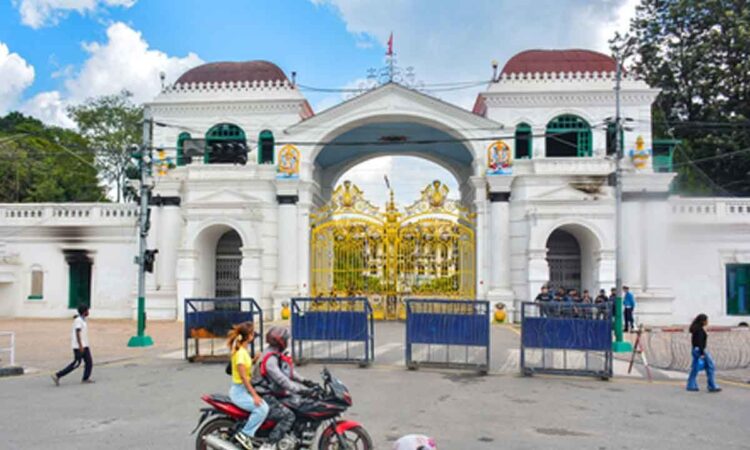
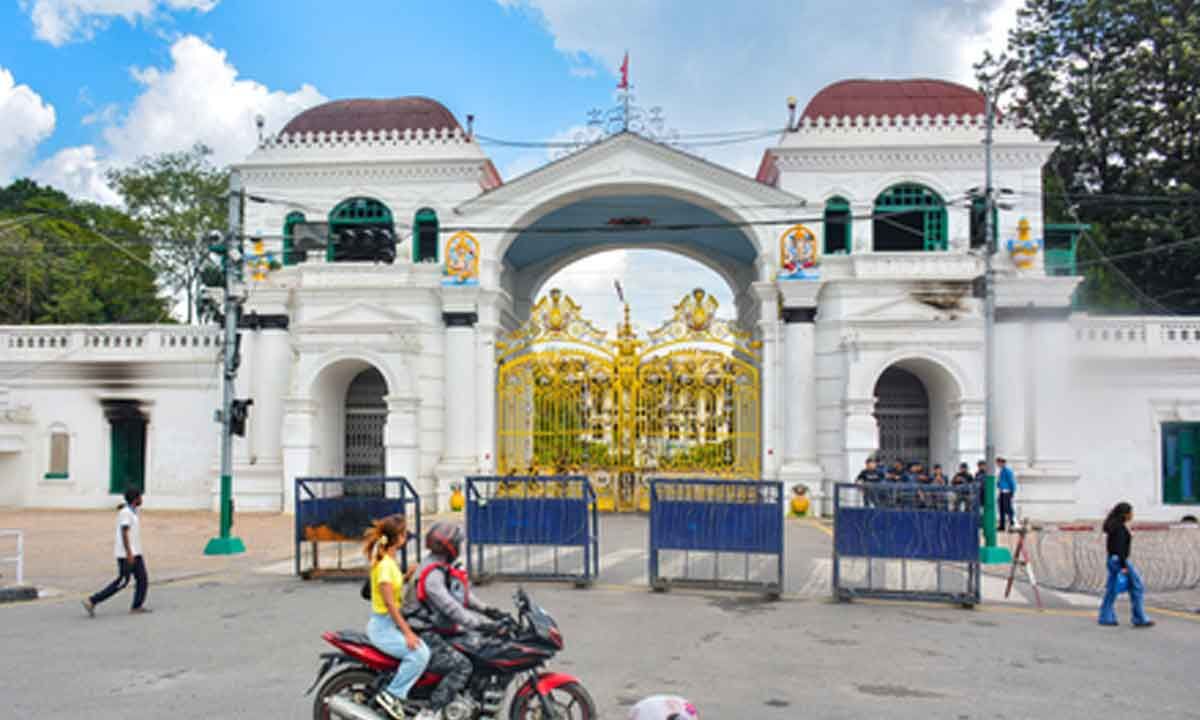
US-Iran war, last year's Gen-Z unrest to affect Nepal's economy significantly
Comprehensive Summarization:
The Asian Development Bank (ADB) has forecasted a significant deceleration in Nepal’s economic growth for the fiscal year 2025–26, projecting a growth rate of 2.7% compared to 4.6% in the previous year. This slowdown is attributed to the aftermath of civil unrest in 2024 and the ongoing conflict in West Asia, involving the United States, Iran, and Israel. The unrest began with youth-led protests in September 2024, sparked by a social media ban, weak government accountability, and limited employment opportunities. The ADB’s latest economic publication, released on Friday, provides these projections, underscoring the challenges Nepal faces in maintaining its economic momentum amidst regional instability and internal political issues.
Key Points:
Actionable Takeaways:
Investment Caution: Given the projected slowdown in Nepal’s economic growth, investors and businesses should exercise caution when considering investments or expansions in the Nepalese market. The political and social instability could pose risks to business operations and returns on investment.
Focus on Regional Stability: Companies with operations or supply chains in Nepal should closely monitor regional stability, particularly in West Asia. The ongoing conflict could have spillover effects, impacting trade, logistics, and overall economic conditions in the region.
Policy Engagement: Stakeholders, including government entities and private sector companies, should engage in policy dialogues to address issues such as government accountability and employment opportunities. Improving these areas could help stabilize the economy and support sustainable growth.
Contextual Understanding:
The article reflects the current challenges Nepal faces in maintaining economic growth amidst regional conflicts and internal political unrest. The ADB’s projection highlights the vulnerability of Nepal’s economy to external and internal shocks. In the context of the travel industry, these challenges could influence travel trends, such as decreased tourist arrivals due to perceived instability, increased demand for travel insurance covering political risks, and a potential rise in travel tech solutions aimed at enhancing safety and security for travelers. Thought leaders in the travel sector may advocate for more robust risk assessment frameworks and the development of travel insurance products tailored to mitigate risks associated with political instability.
Handling Different Article Types:
The article provided is a news blurb, offering factual information on Nepal’s economic outlook. For opinion pieces or feature articles, the approach would involve analyzing the author’s perspective, evaluating the implications of their viewpoints on the travel industry, and integrating expert opinions to provide a comprehensive analysis. However, given the constraints of the provided article, the analysis is limited to the factual information presented.
Real-Time Fact-Checking:
All information in the summary, key points, and actionable takeaways is directly sourced from the provided article. No external verification was necessary, as the content is entirely consistent and verifiable within the article itself.
Read the Complete Article.
Boutique Travel VC raises investment cap from $1.5M to $10M to lead rounds and support portfolio companies through growth Travel...
Read moreDetails



Comprehensive Summarization: The Asian Development Bank (ADB) has forecasted a significant deceleration in Nepal's economic growth for the fiscal year...
Read moreDetails
