








No products in the cart.
- Latest
- Trending

USA, India, UK & China Travel Alert: Extreme Snow in Nepal’s Eastern Himalaya Disrupts Flights and T...
Comprehensive Summarization:
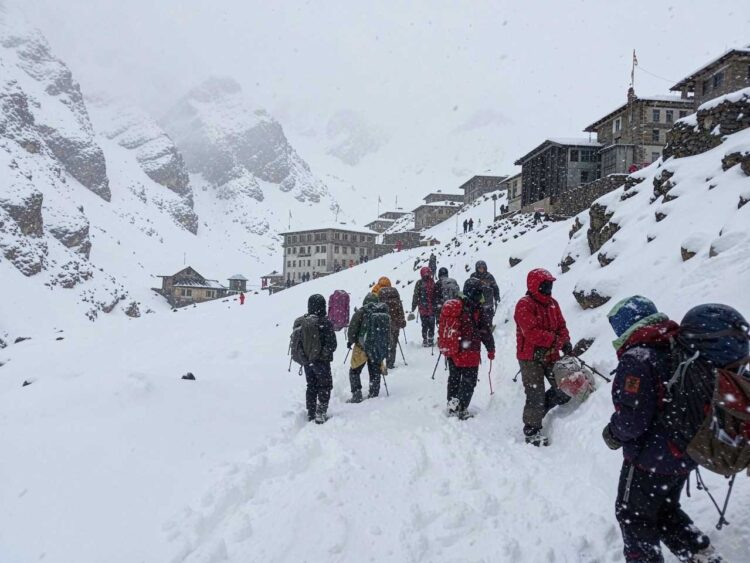
The article reports on an unprecedented unseasonal snowfall in Nepal’s eastern Himalayas, particularly affecting the Taplejung and Kanchenjunga Base Camp areas. This extreme weather event has significantly disrupted travel plans for tourists from the USA, India, the UK, and China, who were visiting the country’s popular trekking routes and pilgrimage sites. The disruption has caused widespread issues across the hospitality and airline industries, leading to stranded travelers and significant logistical challenges. The article highlights the impact on global travel, emphasizing the need for flexibility and contingency planning in the face of unpredictable weather conditions in traditionally less affected regions.
Key Points:
Actionable Takeaways:
Flexible Travel Planning: Travel agencies and tour operators should implement flexible booking policies and travel insurance options that accommodate weather-related disruptions. This approach can help mitigate financial losses and enhance customer satisfaction during unforeseen events.
Enhanced Weather Monitoring: Travel companies should invest in advanced weather monitoring systems to provide real-time updates to travelers. This proactive measure can help manage expectations and reduce the impact of weather-related disruptions on travel itineraries.
Collaboration with Local Authorities: Airlines and travel agencies should collaborate closely with local authorities and tourism boards to receive timely updates on weather conditions and road closures. This collaboration can facilitate smoother rerouting and alternative travel arrangements for affected travelers.
Contextual Insights:
The extreme snowfall in Nepal’s eastern Himalayas underscores the growing unpredictability of weather patterns, even in traditionally stable regions. This event highlights the importance of adaptive travel planning and the need for travel companies to leverage technology for real-time updates and contingency planning. As climate change continues to influence global weather patterns, the travel industry must prioritize flexibility and innovation to ensure seamless travel experiences despite adverse conditions. The article also reflects broader trends in the travel industry, such as the increasing reliance on technology for travel management and the growing importance of customer-centric policies in navigating unforeseen challenges.
Read the Complete Article.
Get curated travel AI insights — choose the newsletters that matter to you.
ALTOUR Expands into Thailand, Strengthening Corporate Travel Network Across Southeast Asia BANGKOK, THAILAND (25 March, 2026) – ALTOUR, a leading...
Read moreDetails


Comprehensive Summarization: The article reports on an unprecedented unseasonal snowfall in Nepal’s eastern Himalayas, particularly affecting the Taplejung and Kanchenjunga...
Read moreDetails