

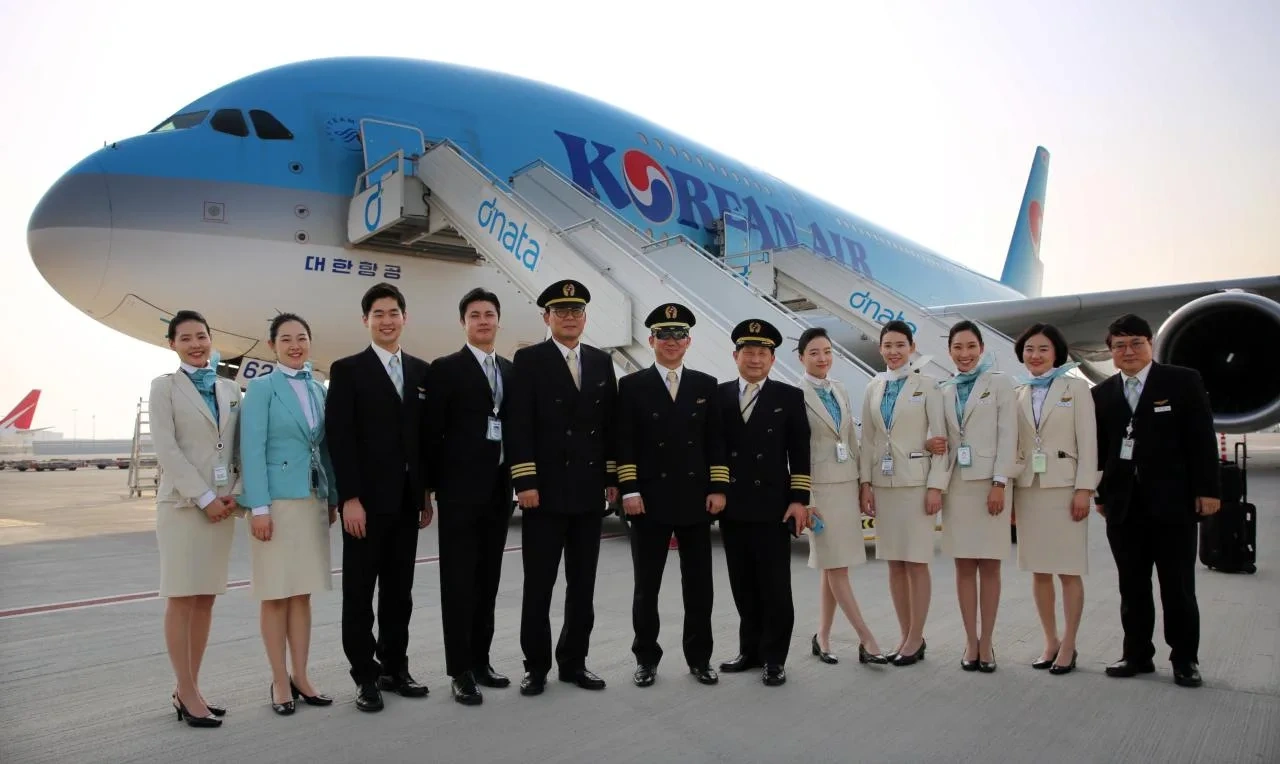

![Songjeong Beach is crowded with surfers. [Yonhap News]](https://images.traveltrade.today/wp-content/uploads/2026/04/Busan-Develops-Wellness-Tourism-Products.png)


















Travel Capitalist Ventures Expands Check Size to $10 Million to Deepen Emerging Market Conviction
Boutique Travel VC raises investment cap from $1.5M to $10M to lead rounds and support portfolio companies through growth Travel...
Read moreDetails
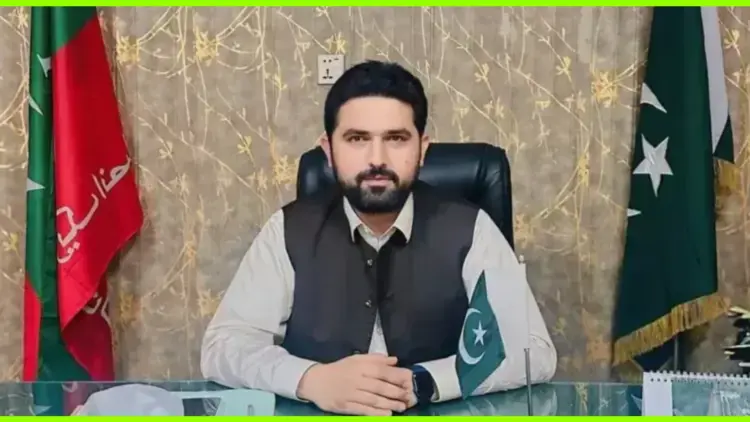
KP Explores Electric Bike Industry, Sustainable Tourism
Comprehensive Summarization:
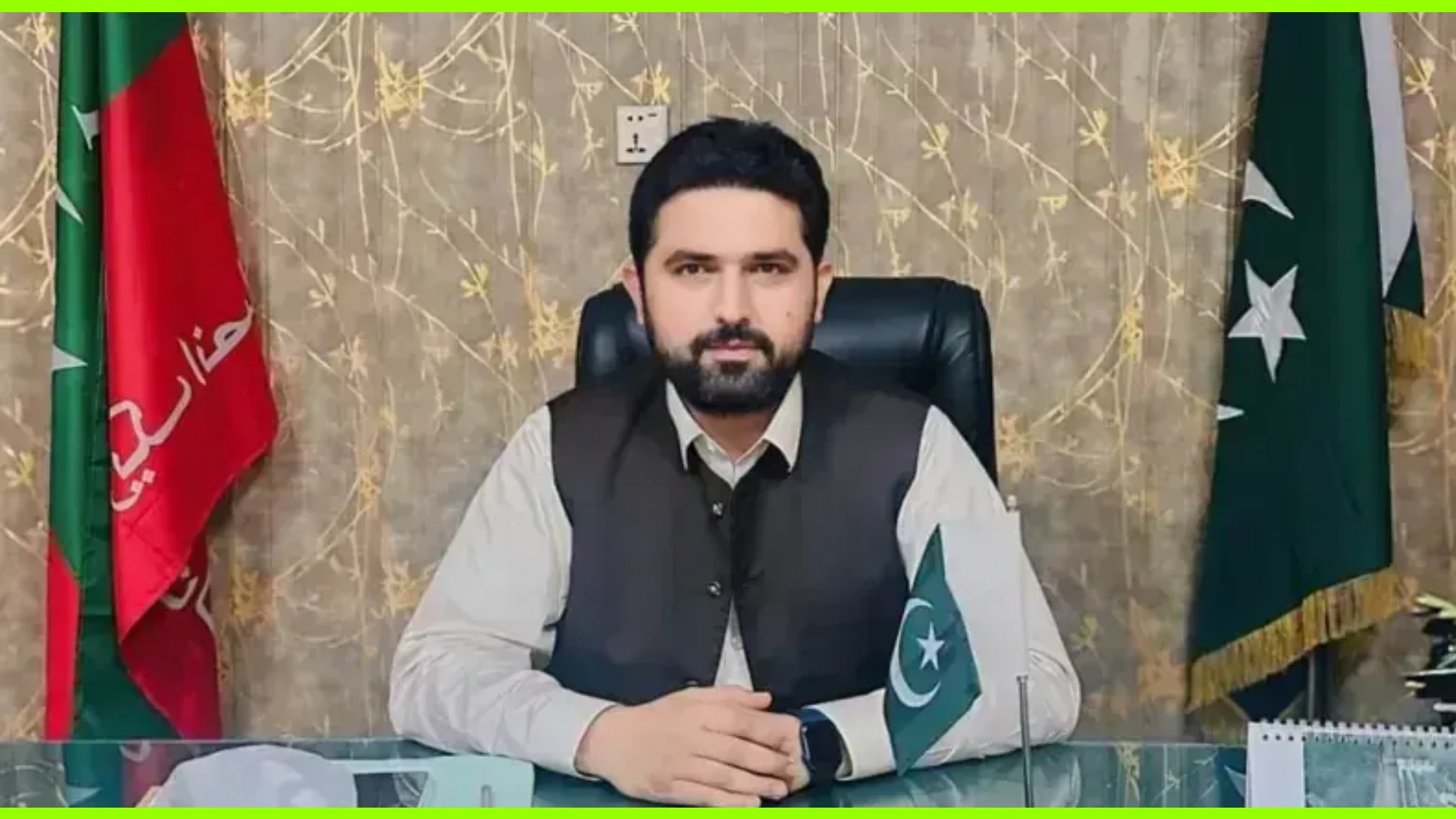
The article discusses Khyber Pakhtunkhwa (KP) Chief Minister Mohammad Sohail Afridi’s directive to assess the feasibility of establishing an electric bike and scooter manufacturing industry in the province. This initiative is part of KP’s sustainable development agenda under the Annual Development Programme (ADP) 2026-27. The directive was discussed during a high-level meeting of the planning and development department in Peshawar, where various initiatives proposed for the ADP were reviewed. The focus on electric mobility aligns with global trends towards sustainable transportation and reflects KP’s commitment to eco-friendly development strategies.
Key Points:
Actionable Takeaways:
Investment in Electric Mobility Infrastructure: The initiative to establish an electric bike and scooter manufacturing industry presents an opportunity for investors and stakeholders in the travel and transportation sectors to explore partnerships and investments in electric mobility infrastructure. This could include charging stations, manufacturing facilities, and related services, aligning with the broader trend of sustainable transportation solutions in the travel industry.
Promoting Sustainable Tourism: By supporting the development of electric mobility, KP is indirectly promoting sustainable tourism practices. This aligns with the growing demand for eco-friendly travel options among consumers. Travel companies and tour operators could leverage this initiative by offering electric bike tours or promoting destinations that are adopting sustainable transportation solutions, thereby enhancing their market appeal and sustainability credentials.
Policy Alignment with Global Trends: The focus on electric mobility in KP’s ADP 2026-27 reflects a global shift towards sustainable development. Travel and tourism stakeholders can align their strategies with this trend by incorporating electric mobility solutions into their offerings. This could involve developing electric vehicle (EV) rental services, integrating EV charging stations at tourist destinations, or promoting EV-friendly travel itineraries, thereby tapping into the growing market for sustainable travel options.
Contextual Understanding:
The article’s context is rooted in KP’s strategic focus on sustainable development, as outlined in the ADP 2026-27. The decision to explore electric bike manufacturing aligns with global trends towards reducing carbon emissions and promoting eco-friendly technologies. This move is particularly relevant in the context of the travel industry, where there is an increasing emphasis on sustainability and responsible tourism practices. The meeting discussed during the article highlights the proactive approach of KP’s administration in aligning its development agenda with modern, sustainable practices, setting a precedent for other regions to follow.
In terms of current industry trends, the article underscores the growing importance of sustainable transportation solutions in the travel sector. The rise of electric vehicles and mobility-as-a-service (MaaS) platforms is reshaping how consumers perceive and engage with travel. By prioritizing electric mobility, KP is not only addressing environmental concerns but also positioning itself as a forward-thinking leader in sustainable development. This contextual insight is crucial for travel industry professionals looking to stay ahead of the curve and integrate sustainable practices into their operations.
Handling Different Article Types:
The article in question is a news brief, providing factual information about a specific initiative by the KP government. News briefs typically focus on delivering concise, factual information without delving into opinion or analysis. In handling such articles, it is essential to adhere strictly to the facts presented and avoid introducing external viewpoints or interpretations. The structured output format ensures that the key points and actionable takeaways are clearly delineated, making the information easily digestible for a professional audience.
Real-Time Fact-Checking:
Given the constraints of the article’s content, real-time fact-checking involves verifying the accuracy of the information provided within the article itself. Since the article does not reference external sources or data beyond its own content, there are no additional verification steps required. However, in a broader context, real-time fact-checking would involve cross-referencing information with authoritative sources to ensure accuracy and reliability. This process is crucial for maintaining the integrity of the content, especially when dealing with sensitive or high-stakes topics.
Read the Complete Article.
Boutique Travel VC raises investment cap from $1.5M to $10M to lead rounds and support portfolio companies through growth Travel...
Read moreDetails



Comprehensive Summarization: The article discusses Khyber Pakhtunkhwa (KP) Chief Minister Mohammad Sohail Afridi's directive to assess the feasibility of establishing...
Read moreDetails
