


No products in the cart.
- Latest
- Trending

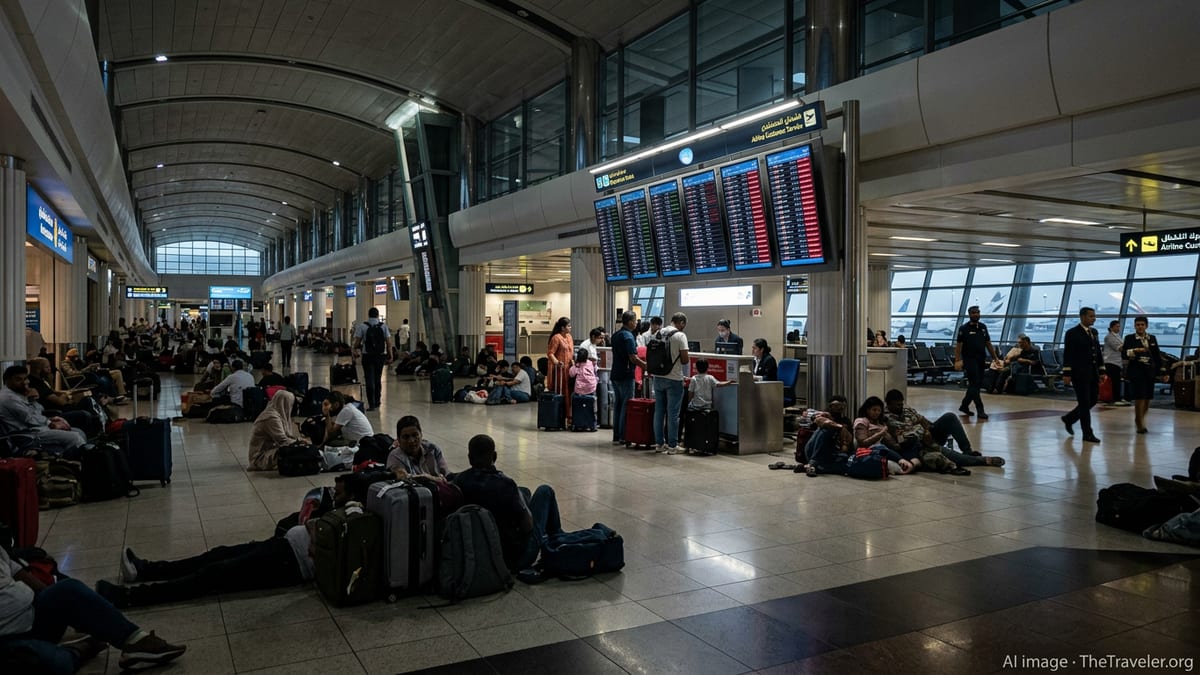
Pakistan eyes Russian market amid 15 million travel shift
Comprehensive Summarization:
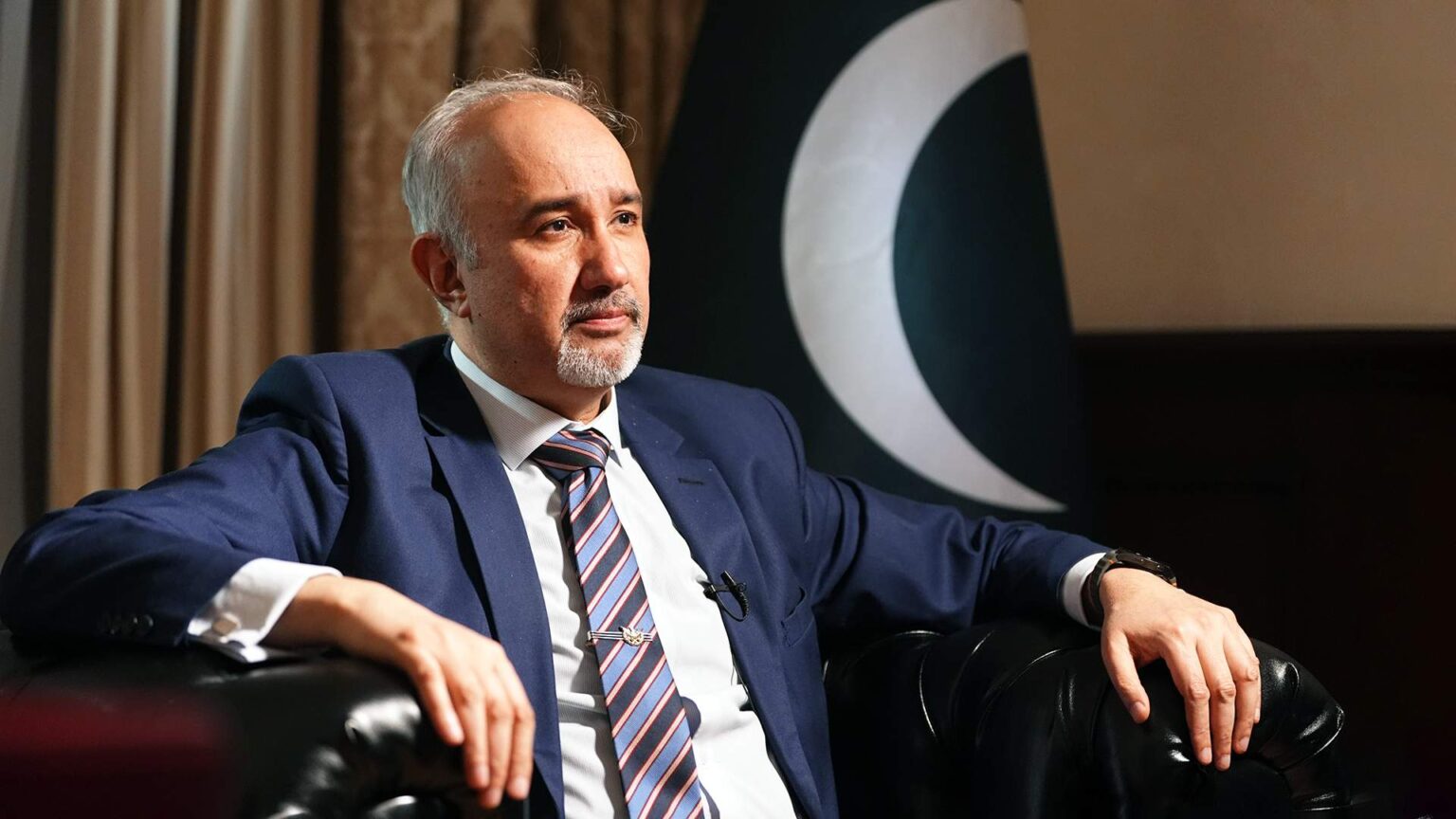
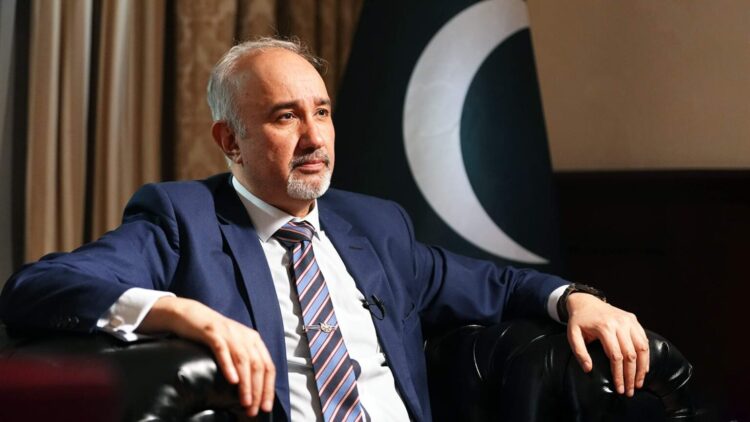
The article discusses Pakistan’s strategic efforts to attract up to 50,000 Russian tourists annually, aiming to generate $1 billion in annual revenue. This initiative comes as global travel patterns are shifting due to economic disruptions and regional instability, particularly in the Middle East. Pakistan’s Ambassador to Russia, Faisal Niaz Tirmizi, highlights that countries in Eastern Europe and Russia are increasingly seeking alternative destinations, presenting an opportunity for Pakistan to capture a significant share of this market. The context of the article is set against the backdrop of changing global travel trends, with a focus on the evolving dynamics between Russia and Pakistan in the tourism sector.
Key Points:
Actionable Takeaways:
Targeted Marketing Strategy: Pakistan should develop a targeted marketing strategy to attract Russian tourists, leveraging the current shift in global travel patterns. This could involve partnerships with Russian travel agencies and influencers to promote Pakistan as a viable and attractive destination.
Investment in Tourism Infrastructure: To support the influx of Russian tourists, Pakistan should invest in enhancing its tourism infrastructure, including transportation, accommodation, and tourist attractions. This will not only cater to the Russian market but also improve the overall travel experience for all visitors.
Leverage Regional Stability: By positioning itself as a stable and attractive alternative to regions experiencing unrest, Pakistan can capture a significant market share. This requires ongoing efforts to ensure regional stability and effective communication of Pakistan’s safety and appeal to potential tourists.
Contextual Insights:
The article reflects the current travel industry trend of adapting to changing global conditions, where geopolitical and economic factors significantly influence tourist destinations. The shift in Russian outbound tourism, down from 24 million to 15 million before 2022, underscores the need for countries like Pakistan to innovate and diversify their appeal. The insights from Ambassador Faisal Tirmizi align with broader industry trends, where destinations are increasingly seeking to capitalize on emerging markets and shifting consumer preferences. This strategic move by Pakistan not only presents an opportunity for economic growth but also highlights the importance of adaptability and foresight in the travel sector. As travel tech continues to evolve, startups focusing on innovative marketing solutions and regional stability assurance could play a crucial role in Pakistan’s tourism expansion strategy.
Read the Complete Article.
Get curated travel AI insights — choose the newsletters that matter to you.
ALTOUR Expands into Thailand, Strengthening Corporate Travel Network Across Southeast Asia BANGKOK, THAILAND (25 March, 2026) – ALTOUR, a leading...
Read moreDetails


Singapore — April 14, 2026 In short: Kirk Westaway and Stefan Heilemann collaborate on a one-day dining event at JAAN...
Read moreDetails