





No products in the cart.
- Latest
- Trending

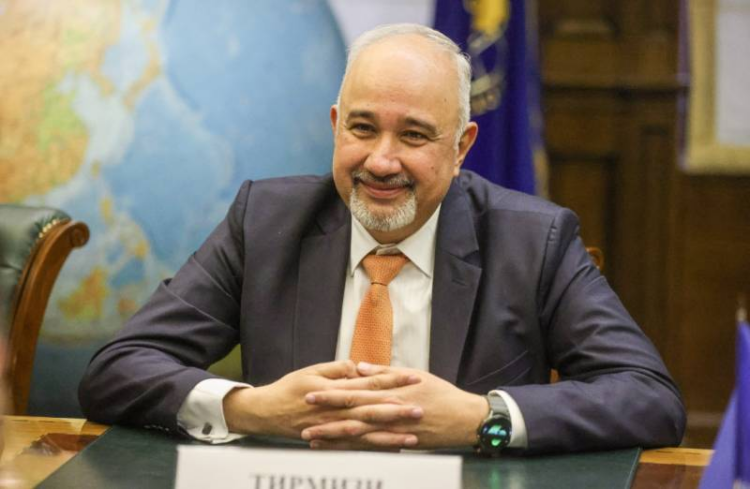
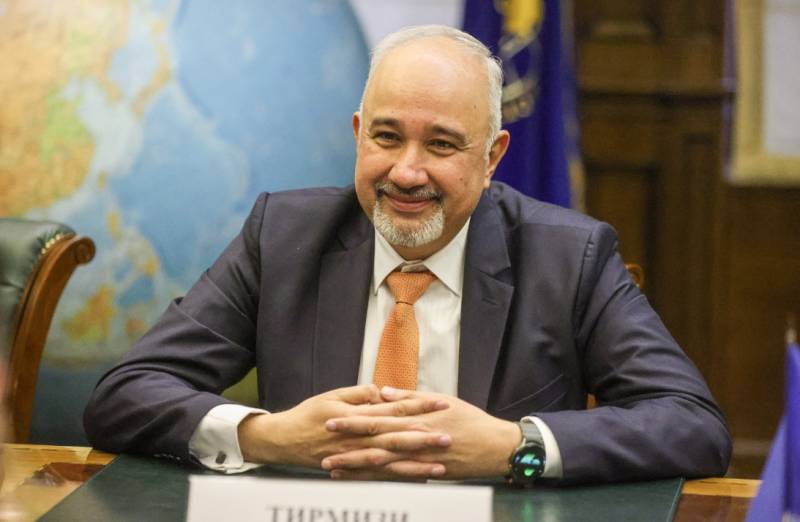
Pakistan positioned to attract Russian tourists, says Ambassador Tirmizi
Comprehensive Summarization:
Pakistan is emerging as a promising destination for international tourism, particularly from Russia and Eastern Europe, as global travel patterns undergo significant transformation. This shift is driven by ongoing geopolitical and economic changes, especially instability in parts of the Middle East, which are creating new opportunities for countries like Pakistan to reposition themselves in the global tourism market. Ambassador to the Russian Federation, Faisal Niaz Tirmizi, highlighted these developments, emphasizing the evolving global landscape where economic disruptions and geopolitical tensions are influencing both business and tourism flows. The article underscores the potential for Pakistan to capitalize on these changes, positioning itself as a viable alternative to traditional travel hubs affected by global uncertainties.
Key Points:
Actionable Takeaways:
Opportunity for Pakistan in Tourism: The article suggests that Pakistan can leverage the current global travel shifts to attract more tourists from Russia and Eastern Europe. This presents a strategic opportunity for the country to enhance its tourism sector by marketing itself as a viable alternative to traditional travel destinations affected by geopolitical tensions.
Focus on Geopolitical Stability: The article highlights the importance of geopolitical stability in shaping tourism trends. Travel companies and policymakers should prioritize regions with political stability to ensure consistent tourist inflows. This insight is crucial for businesses looking to expand their market reach and for investors considering tourism-related ventures.
Adaptation to Global Travel Trends: The article underscores the need for the travel industry to adapt to evolving global patterns. Companies should monitor geopolitical developments and economic trends to anticipate shifts in travel demand. This proactive approach can help businesses stay ahead of the curve and capitalize on emerging opportunities in the tourism sector.
Contextual Insights:
The emergence of Pakistan as a promising tourism destination reflects broader trends in the global travel industry, where geopolitical and economic factors play a significant role in shaping travel patterns. The article’s emphasis on the Middle East as a destabilizing factor aligns with current global concerns about regional security and its impact on international travel. This context is crucial for understanding the strategic importance of Pakistan’s tourism sector. Furthermore, the article’s focus on Eastern Europe and Russia as key markets highlights the growing interest in alternative travel destinations, driven by the instability in traditional hubs. This trend is likely to continue, prompting travel companies to diversify their offerings and target emerging markets. The insights provided in the article underscore the importance of adaptability and strategic planning in navigating the dynamic landscape of international tourism.
Read the Complete Article.
Get curated travel AI insights — choose the newsletters that matter to you.
This spot is reserved for brands with a compelling story for the travel trade. They use this space to cut...
Read moreDetailsALTOUR Expands into Thailand, Strengthening Corporate Travel Network Across Southeast Asia BANGKOK, THAILAND (25 March, 2026) – ALTOUR, a leading...
Read moreDetails


Comprehensive Summarization: Pakistan is emerging as a promising destination for international tourism, particularly from Russia and Eastern Europe, as global...
Read moreDetails